If I see one more influencer telling you that learning how to meal prep requires a $400 set of matching glass containers and five hours of your Sunday afternoon, I might actually lose it. We’ve turned a simple act of survival into this high-maintenance, aesthetic performance that feels more like a second job than a way to save time. Let’s be honest: most of those “perfect” meal prep tutorials are just a recipe for burnout and a sink full of dirty dishes. You don’t need a color-coded pantry or a degree in nutrition to stop eating takeout at 8:00 PM on a Wednesday; you just need a system that actually holds up when your day goes sideways.
I’m not here to sell you on a lifestyle overhaul or a collection of expensive Tupperware. My goal is to show you a functional approach to food that works for real, busy people who have better things to do than spend their entire weekend in the kitchen. I’m going to walk you through the bare-minimum essentials of how to meal prep so you can build a repeatable routine that actually reclaims your sanity. No fluff, no wasted ingredients, and absolutely no performative perfection.
Stop Troubleshooting Your Dinner Real How to Meal Prep
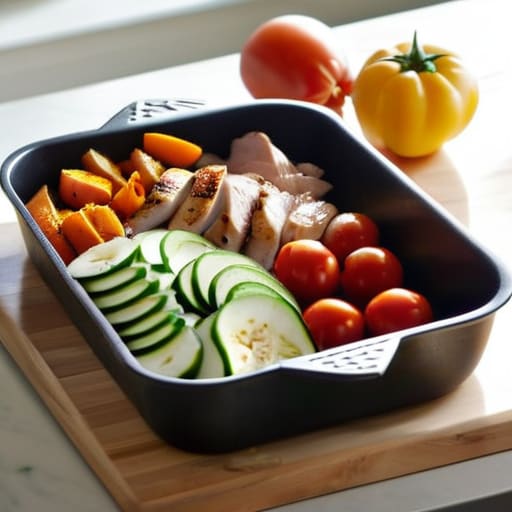
Most people approach meal prepping like they’re trying to debug a complex piece of legacy software—they overcomplicate the logic and end up with a system that crashes by Wednesday. They buy twenty new ingredients they don’t know how to use and spend four hours in a kitchen that ends up looking like a crime scene. Forget that. I’m a big believer in batch cooking techniques that actually respect your time. Instead of trying to cook five different recipes, pick two versatile bases—like a roasted tray of vegetables and a large pot of grains or protein—and rotate them. It’s not about culinary perfection; it’s about having a reliable foundation so you aren’t staring blankly into a fridge at 7:00 PM.
The real secret to making this stick is investing in the right hardware. I’ve learned the hard way that cheap, flimsy plastic is a recipe for frustration and leaks. If you want a system that survives the microwave and the dishwasher, get decent meal prep containers for storage that actually seal tight. When your tools work, the friction disappears. Once you have a repeatable rhythm, you’ll stop treating dinner like a daily crisis and start treating it like the simple, functional task it should be.
Ditch the Gimmicks for Better Weekly Meal Planning Tips
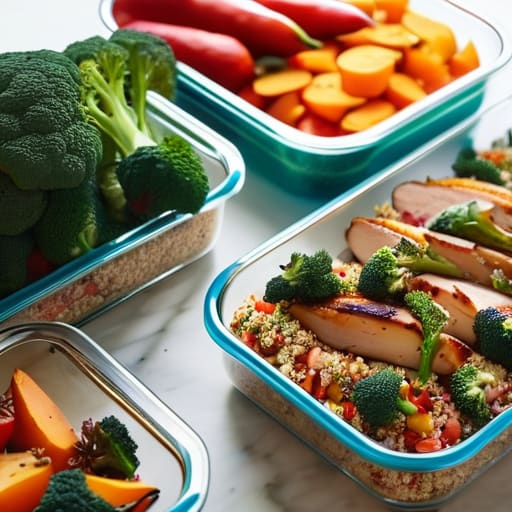
Most people approach planning like they’re trying to debug a complex piece of software, thinking if they just find the right app or the perfect “aesthetic” recipe, everything will click. It won’t. Real weekly meal planning tips aren’t about curation; they’re about reducing decision fatigue. I stopped trying to cook five distinct, gourmet recipes every Sunday. Instead, I focus on component cooking. I’ll roast two trays of vegetables, boil a large pot of grains, and prep two proteins. This gives me the raw materials to build different plates throughout the week without feeling like I’m eating the exact same sad Tupperware salad every single day.
You also need to stop overcomplicating your gear. You don’t need a modular, color-coded system to be successful. Invest in a few high-quality, glass meal prep containers for storage that actually seal properly—because nothing ruins a productive week faster than a leaky container of chili in your work bag. If you can master a few basic batch cooking techniques, like making a massive pot of lentil soup or a tray of seasoned chicken, you’ve already won half the battle. Keep it simple, keep it modular, and stop treating your kitchen like a high-stakes laboratory.
Reliable Batch Cooking Techniques for the Real World
Look, if you’ve ever spent four hours in the kitchen only to realize you’ve made enough food to feed a small village—and half of it tastes like cardboard by Thursday—you’ve fallen into the “over-production trap.” The secret isn’t about making twenty identical Tupperware boxes; it’s about mastering a few versatile batch cooking techniques that allow for modularity. Instead of a rigid menu, cook components. Roast two trays of seasonal vegetables, simmer a large pot of seasoned protein (think lentils, shredded chicken, or chickpeas), and prepare a base grain like quinoa or farro. This way, you aren’t eating the exact same meal five days in a row; you’re just assembling different variations of the same high-quality building blocks.
Once you have your components, the logistics matter more than the recipe. Don’t skimp on your gear; invest in decent meal prep containers for storage that actually seal tight. There is nothing more demoralizing than opening the fridge to find your Sunday prep has leaked all over the shelf. I prefer glass—it’s easier to clean, doesn’t hold onto smells, and can go straight from the fridge to the oven. If you treat your food prep like a well-oiled system rather than a frantic cooking marathon, you’ll actually find yourself looking forward to Tuesday night instead of dreading it.
Functional Meal Prep Containers for Storage That Actually Last
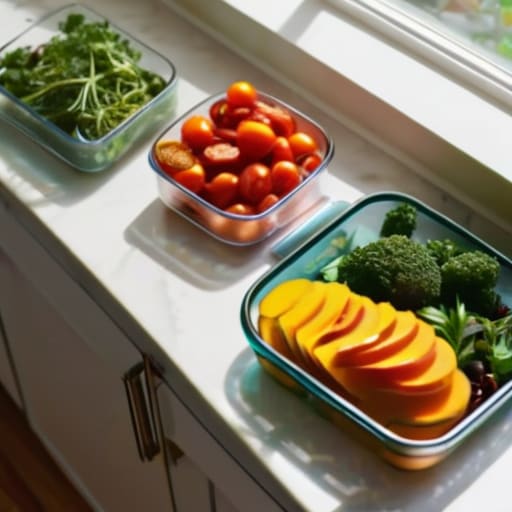
Look, I’ve spent enough time digging through a fridge full of mismatched, stained plastic tubs to know that your gear matters as much as your recipes. If you’re investing time into batch cooking techniques, the last thing you want is to pull out a container that’s warped from the microwave or smells faintly of last week’s garlic pasta. Skip the cheap, flimsy sets that crack after three washes. I swear by heavy-duty glass; it’s easier to clean, it doesn’t leach chemicals when you’re reheating, and it actually looks decent when you’re pulling it out of the fridge.
If you’re leaning into budget friendly meal prep, you don’t need a designer pantry, but you do need consistency. I recommend finding one specific brand and sticking to it. When every container is the same size and shape, they stack like a dream, which is the only way to maintain sanity in a crowded refrigerator. It turns a chaotic pile of leftovers into a streamlined system. Whether you’re focusing on specific healthy meal prep ideas or just trying to keep lunch from becoming a frantic scavenger hunt, having a reliable, modular system is the difference between a plan that sticks and one that ends in a takeout order.
Simple Healthy Meal Prep Ideas for Busy Evenings
Look, I’m not interested in those elaborate, five-star Pinterest recipes that require three hours of chopping and a sous-vide machine you’ll never use again. When I’m looking for healthy meal prep ideas, I look for modularity. Think of it like building a system: prep a large batch of roasted vegetables, two types of protein (like lemon-herb chicken and seasoned chickpeas), and a hearty grain like quinoa. Once those components are sitting in your meal prep containers for storage, you aren’t “cooking” on Tuesday night; you’re just assembling. You can pivot from a Mediterranean bowl to a warm grain salad in under five minutes.
If you’re trying to tighten the belt or focusing on meal prep for weight loss, the strategy remains the same: prioritize volume and protein without the complexity. I swear by the “Sheet Pan Method.” Toss some salmon, broccoli, and sweet potato wedges in olive oil and spices, roast them all at once, and call it a win. It’s a low-friction way to ensure you aren’t reaching for a delivery app when your energy levels hit zero at 6:00 PM. Keep the ingredients real, the steps minimal, and the flavors consistent.
Budget Friendly Meal Prep Without the Constant Stress
Let’s be honest: most “budget-friendly” advice online involves buying a dozen exotic superfoods that end up wilting in your crisper drawer by Thursday. That isn’t saving money; it’s just expensive waste. If you want to actually lower your grocery bill, stop looking for miracles and start looking at your pantry. Real budget friendly meal prep is built on the boring stuff: grains, legumes, and seasonal produce. When I’m auditing a client’s workflow, I look for redundancies; do the same for your kitchen. Buy the staples in bulk and treat them as your foundation. It’s much cheaper to transform a large bag of lentils into three different meals than it is to buy three different pre-packaged, “convenience” protein options.
The trick to keeping the stress low is to avoid the “all-or-nothing” trap. You don’t need to spend six hours on a Sunday afternoon playing sous-chef. Instead, lean into smart substitution. If chicken is pricey this week, swap it for canned chickpeas or eggs. This flexibility is what makes healthy meal prep ideas sustainable over the long haul. By focusing on versatile ingredients rather than rigid recipes, you stop fighting your budget and start working with it. It’s about building a system that survives a fluctuating economy and a busy Tuesday.
Practical Meal Prep for Weight Loss That Feels Sustainable
If you’ve ever tried a restrictive diet that required you to eat nothing but steamed broccoli and plain chicken for five days straight, you know exactly why they fail. That isn’t a plan; it’s a recipe for a binge on Friday night. When it comes to meal prep for weight loss, the goal isn’t deprivation—it’s about reducing the friction between you and a sensible choice. I look at it like optimizing a system: if the healthy option is already portioned and sitting in the fridge, you’re far less likely to reach for the takeout menu when your energy dips at 6:00 PM.
The secret is to focus on volume and protein rather than just cutting calories. Instead of making tiny, unsatisfying portions, use your batch cooking techniques to prepare large quantities of roasted vegetables and lean proteins. This allows you to build bowls that are physically filling but calorically efficient. Pair these with some of my favorite healthy meal prep ideas, like a Mediterranean quinoa salad or a hearty turkey chili, which actually taste better the next day. It’s about building a foundation of food that keeps you full, so you aren’t constantly fighting your own biology just to stay on track.
Focus on Function Eating Well When Life Gets Messy
Here is the reality: some weeks, your systems will fail. A kid gets sick, a deadline moves up, or you simply run out of steam by 6:00 PM. When that happens, the goal isn’t to stick to a rigid, Pinterest-perfect schedule; it’s about having a fallback that doesn’t involve a delivery driver and a $40 receipt. Instead of aiming for perfection, focus on functional survival. This might mean keeping a few frozen, high-quality staples on hand or having a “emergency” component of your weekly meal planning tips that requires zero actual cooking.
If you find yourself staring at a chaotic kitchen, don’t try to overhaul your entire diet in one night. That’s how people burn out. Instead, lean on the batch cooking techniques you’ve already established. If you have a container of roasted vegetables or a pre-cooked grain sitting in the fridge, you’re halfway to a decent meal. It’s about reducing the number of decisions you have to make when your brain is already fried. We aren’t looking for culinary masterpieces here; we are looking for reliable fuel that keeps you moving without adding to the mental load.
Five Rules of Thumb to Keep Your Kitchen from Becoming a Second Job
- Stop trying to cook five different recipes on a Sunday. You aren’t a Michelin-star chef with a sous-chef on standby; you’re a person with a life. Pick two proteins, two grains, and three vegetables. That’s it. Mix and match them throughout the week so you don’t feel like you’re eating the exact same sad Tupperware salad every single afternoon.
- Invest in a decent set of glass containers. I know, the plastic ones are cheaper, but they stain, they warp, and they smell like last week’s curry. If you want a system that actually works, you need tools that can go from the fridge to the microwave without a meltdown.
- Don’t prep everything to the point of exhaustion. There is a fine line between “prepared” and “overwhelmed.” If you spend six hours chopping onions on a Sunday, you’ll hate the very idea of eating by Wednesday. Prep the components that take the most time—like roasting a tray of veggies or boiling some eggs—and leave the rest for quick assembly during the week.
- Keep a “emergency” pantry staple list. Even the best systems fail sometimes. Always have a box of high-quality pasta, a jar of decent pesto, and a can of chickpeas on hand. When the meal prep runs out or a meeting runs late, these are your fallback options that prevent a chaotic takeout order.
- Clean as you go, or don’t bother starting. There is nothing more demoralizing than finishing a successful prep session only to realize you’re staring at a mountain of crusty dishes. Wash your cutting boards and bowls while the oven is doing the heavy lifting. It keeps the “troubleshooting” to a minimum when you actually sit down to eat.
Stop Overthinking It and Start Eating
At the end of the day, meal prepping isn’t about achieving some Instagram-perfect aesthetic or spending your entire Sunday hovering over a steaming pot of quinoa. It’s about building a system that works for you, not against you. We’ve covered the essentials: choosing containers that won’t leak in your bag, batch cooking components rather than complex recipes, and keeping your budget in mind so you aren’t broke by Wednesday. The goal is to move away from the constant, draining cycle of “what’s for dinner?” and toward a more functional routine that handles the heavy lifting before you’re too tired to think. If you focus on reliable systems rather than perfection, you’ll find that the kitchen stops feeling like a battlefield and starts feeling like a managed part of your life.
Don’t feel like you have to overhaul your entire pantry by Monday morning. Start small—maybe just prep one protein or one versatile vegetable this week. The most successful systems are the ones that actually stick because they are sustainable for your specific reality. Life is going to get messy, the Wi-Fi will eventually go down, and some weeks will inevitably derail your best-laid plans. That’s fine. The point of prepping isn’t to be perfect; it’s to give yourself a little more breathing room when things get chaotic. So, grab your notebook, pick a simple starting point, and get back to living.
Frequently Asked Questions
How do I stop my meal-prepped food from tasting like soggy leftovers by Thursday?
The “soggy leftover” syndrome usually happens because you’re treating everything like a single unit. Stop mixing your proteins, grains, and sauces in one container. Keep your dressings and wet ingredients in separate, smaller containers—I keep a few glass jars in my kit for exactly this reason. Also, let your food cool completely before sealing the lid. If you trap steam inside, you’re essentially steaming your dinner into mush. Texture is a system, not luck.
I don't have five hours on a Sunday; is there a way to do this in small, manageable chunks?
Look, I get it. The idea of a five-hour Sunday marathon sounds more like a second job than a way to save time. If that doesn’t work for your schedule, don’t force it. Try “micro-prepping” instead. Chop your onions while you’re making Monday’s dinner, or boil a batch of eggs while the coffee brews. Small, ten-minute wins throughout the week are much more sustainable than a massive, exhausting Sunday session. Just build the systems in the gaps.
How much actual kitchen equipment do I need before I start spending money on containers and gadgets?
Don’t go buying a specialized sous-vide machine or a set of twelve matching glass canisters just yet. You don’t need a professional kitchen; you need a baseline. Start with what you actually use: one decent large pot, a heavy-duty sheet pan, a sharp chef’s knife, and a few versatile containers you already own. If you can boil water and roast a chicken, you have enough. Buy the gear only when your current tools actually fail you.
What do I do when my schedule completely falls apart and I can't follow the plan I made?
Look, it happens. A deadline shifts, a kid gets sick, or you simply run out of steam. When the plan fails, stop trying to force the original script; that’s just how you end up frustrated and ordering takeout for the third night in a row. Pivot to your “emergency tier.” Keep a few high-protein, zero-effort staples—like canned beans, frozen veggies, or rotisserie chicken—on hand. It’s not a failure; it’s just a system adjustment.