
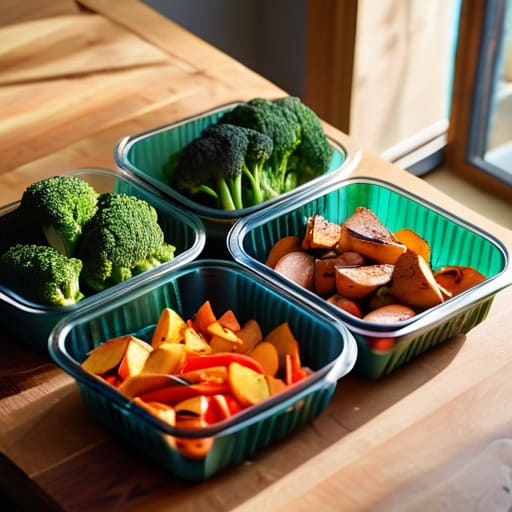
I’ve spent a good portion of my career troubleshooting broken systems for clients, but nothing is quite as frustrating as the systemic failure that is my kitchen at 6:30 PM on a Tuesday. We’ve all been there: staring into a fridge that contains nothing but half a lemon and a jar of pickles, feeling that familiar wave of decision fatigue hit. Most people think they need a complex, color-coded culinary roadmap to stay healthy, but honestly, that’s just another thing to manage. I’m not interested in spending my entire Sunday performing kitchen surgery; I just want some easy meal prep ideas that actually hold up when life gets messy and the schedule falls apart.
In this guide, I’m stripping away the performative “aesthetic” meal prepping and focusing on what is actually functional. I’ve narrowed it down to eight specific, low-effort strategies that prioritize your time rather than consuming it. You aren’t going to find any complicated recipes here—just eight practical ways to build a repeatable system that keeps you fed without turning your life into a second job. Let’s get your kitchen back under control so you can actually enjoy your evening.
The Component Method
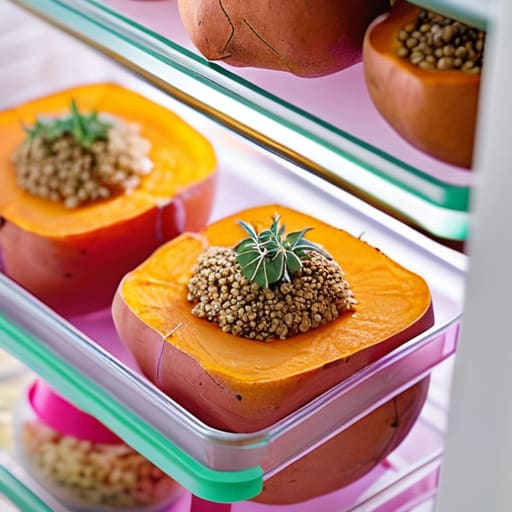
Stop trying to build entire recipes on a Sunday afternoon. It’s exhausting, and frankly, it’s a recipe for burnout. Instead, I treat my fridge like a modular system. I prep individual components: a big batch of roasted sweet potatoes, a container of rinsed quinoa, a tray of seasoned chicken thighs, and a jar of pickled onions.
Sheet Pan Strategy
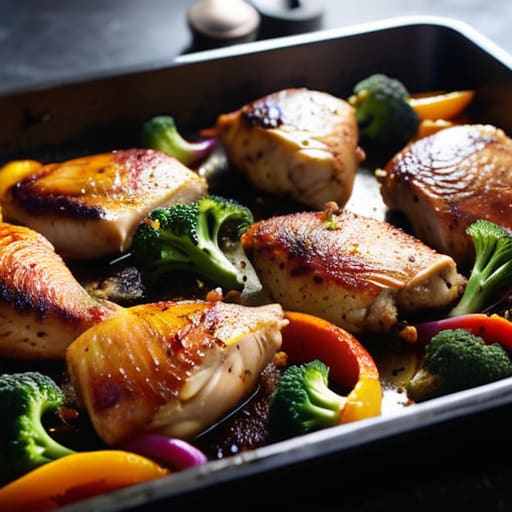
If you aren’t using your oven to its full potential, you’re wasting precious time. Sheet pan meals are my go-to for low-effort, high-reward nutrition. You just toss your protein and veggies in olive oil and spices, spread them out, and let the heat do the heavy lifting. It’s the culinary equivalent of a set-it-and-forget-it script.
The Sauce Secret
Most “boring” meal prep fails because the food tastes like cardboard by day three. The fix isn’t more cooking; it’s better condiments. I spend twenty minutes making two or three high-quality sauces that can transform a bland base of rice or greens. Think a lemon-tahini dressing, a spicy peanut sauce, or even just a really good chimichurri.
Batch-Cooked Grains
Grains are the backbone of any functional kitchen. I never cook just one cup of rice or quinoa; I always make the entire pot. These are stable, filling, and act as a blank canvas for whatever else you’ve prepped. I keep mine in a large, airtight glass container in the fridge to maintain their texture.
Mason Jar Salads
We’ve all been there: you make a salad on Sunday, and by Tuesday, it’s a wilted, sad mess at the bottom of a bowl. The solution is the layer method in a mason jar. Put your dressing at the very bottom, followed by the “hard” veggies like cucumbers or carrots, then your proteins, and keep the leafy greens at the very top.
Protein Prep in Bulk
Protein is often the most expensive and time-consuming part of a meal, so get it out of the way early. I like to roast a large batch of versatile proteins—like hard-boiled eggs, shredded chicken, or seasoned chickpeas—all at once. It’s much more efficient than trying to cook a single chicken breast every single evening.
Frozen Veggie Integration
I used to be a bit of a purist about fresh vegetables, but let’s be real: fresh produce dies in the crisper drawer far too often. I’ve learned to embrace the freezer. Keeping bags of frozen peas, corn, or stir-fry mixes on hand is a total lifesaver for those nights when your “planned” prep falls through.
The One-Pot Soup Method
If you have a slow cooker or a heavy Dutch oven, you have a meal prep machine. Making a large pot of soup or chili is perhaps the most efficient use of energy you can achieve in the kitchen. You spend an hour or two on a Sunday, and you’ve essentially solved your dinner problem for several days.
Getting Back to Real Life
At the end of the day, meal prepping isn’t about achieving some aesthetic, color-coded Instagram perfection. It’s about the practical reality of having a container of roasted vegetables or a batch of grains ready to go when your brain is fried from a long day of troubleshooting. Whether you’re leaning into the simplicity of component prepping or just keeping a few versatile proteins on hand, the goal is the same: to reduce the number of unnecessary decisions you have to make during your most exhausted hours. Pick one or two of these methods that feel sustainable for your specific brand of chaos, and start there.
Don’t feel like you have to overhaul your entire kitchen routine overnight. If you try to do too much at once, you’ll just end up with a sink full of dishes and a sense of defeat, which is exactly what we’re trying to avoid. The most successful systems are the ones that are actually repeatable even when life gets messy. Treat your meal prep like a small, functional upgrade to your operating system—it’s not meant to be the main event, just the quiet background process that keeps everything else running smoothly. Now, put down the phone, clear a bit of counter space, and just get started.
Frequently Asked Questions
How do I stop my prep from turning into a mountain of dishes every Sunday?
The secret is to stop treating meal prep like a professional kitchen production. If you’re pulling out every pot and pan you own, you’ve already lost. Use one big sheet pan for roasting, a single heavy-duty pot for grains or soups, and invest in decent glass containers. Clean as you go—it sounds cliché, but it works. If a recipe requires three specialized gadgets, it’s not “easy” prep; it’s just extra chores.
What’s the best way to keep prepped veggies from turning into a sad, soggy mess by Wednesday?
The “soggy mess” is the ultimate productivity killer. Here’s the fix: moisture is the enemy. If you’re prepping leafy greens or sliced cucumbers, don’t just toss them in a container. Line your glass storage bins with a dry paper towel to wick away excess humidity. For harder veg like carrots or bell peppers, keep them in airtight containers, but leave a tiny bit of headspace. If they’re already damp from washing, dry them completely first.
Can I actually use these same ingredients for different meals, or am I going to get bored by day three?
That’s the real trap, isn’t it? If you prep eight identical containers of chicken and broccoli, you’ll be staring at them with pure resentment by Wednesday. The trick is “component prepping” rather than “meal prepping.” Prep the base ingredients—roasted sweet potatoes, a batch of quinoa, or grilled protein—but keep the flavors separate. Use different sauces or fresh herbs at the last minute to pivot from a Mediterranean bowl to a spicy taco salad. Variation is your best defense against boredom.
Do I really need all these fancy airtight containers, or can I just use what I already have in the cupboard?
Look, I’ve seen enough “aesthetic” kitchen reorganizations to know they’re usually just expensive distractions. You don’t need a matching set of glass canisters to be successful. If you have old Tupperware or even decent zip-top bags, use them. The goal is preventing food waste and saving time, not winning a home decor award. Once you find a system that actually keeps your leftovers fresh, then—and only then—should you consider upgrading.