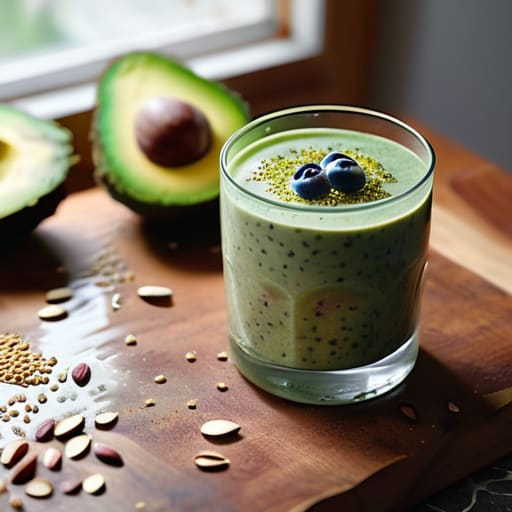
I’m so tired of seeing “smoothie recipes” that require a $600 high-speed blender, a dozen superfood powders you’ll never use, and forty minutes of prep time. Honestly, if a recipe makes me feel like I need a degree in nutrition just to get through breakfast, I’m out. Most of the internet is obsessed with aesthetic, neon-colored concoctions that look great on a grid but leave you hungry by 10:00 AM. I don’t care about the hype; I care about how to make a smoothie that actually functions as fuel and doesn’t turn my kitchen into a disaster zone before my first client call.
I’m not here to sell you on a lifestyle overhaul or a cabinet full of expensive supplements. Instead, I’m going to give you a functional framework—a repeatable system for building a drink that tastes decent and keeps you steady. We’re going to focus on the basics of ratios, texture, and efficiency so you can spend less time cleaning the blender and more time actually getting on with your day. This is about practical nutrition for people who have better things to do.
Stop Overcomplicating How to Make a Smoothie That Actually Works
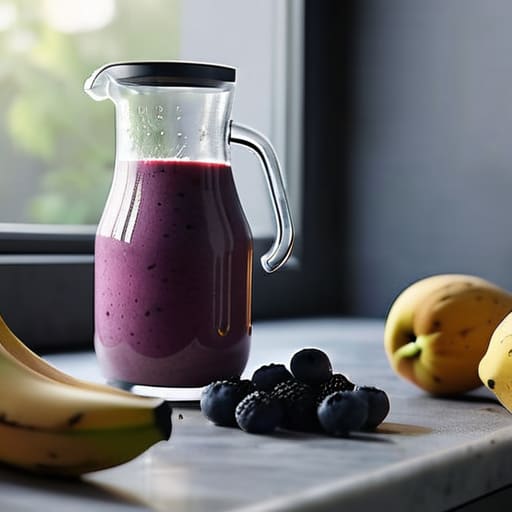
Look, I’ve spent enough time troubleshooting broken workflows to know that complexity is usually just a mask for inefficiency. The same applies to your breakfast. You don’t need a twenty-step recipe or a pantry full of exotic superfoods that expire before you can even use them. Most people fail at this because they treat it like a chemistry experiment rather than a simple assembly line. If you’re staring at a pile of ingredients wondering where to start, you’re already overthinking it.
The secret to a repeatable system is focusing on the core architecture: your smoothie base ingredients. Start with a liquid, add a frozen element, and toss in a handful of greens. That’s it. When it comes to texture, I’m a firm believer in using frozen fruit vs fresh fruit; using frozen pieces eliminates the need for ice, which usually just dilutes the flavor and turns your drink into a watery mess.
Once you have that foundation, you can tweak the variables. If you’re feeling sluggish, try adding protein to smoothies via Greek yogurt or a clean powder to keep you full until lunch. Don’t get distracted by trying to find the absolute “best blender for smoothies” before you’ve even mastered the ratio. Just get the basics right, keep it functional, and move on with your day.
Choosing the Best Blender for Smoothies Without the Unnecessary Fluff
Look, you don’t need a $600 professional-grade machine that requires a degree in engineering to operate. I’ve seen enough “revolutionary” kitchen tech break down to know that most of it is just marketing fluff designed to clutter your countertop. When you’re hunting for the best blender for smoothies, stop looking at the flashy LED screens and start looking at the motor wattage and the blade durability. If you’re planning on using a lot of ice or frozen chunks, you need something with enough kick to actually pulverize them rather than just spinning them around in a watery vortex.
The real goal is efficiency. A decent mid-range blender—the kind that actually stays on your counter instead of being shoved into a dark cupboard—is all you need to handle the transition between frozen fruit vs fresh fruit. You want a machine that handles the heavy lifting so you aren’t standing there for five minutes scraping bits of kale off the lid. Once you have a reliable tool that doesn’t stall out every time you add a handful of ice, the rest of the process becomes a simple, repeatable system rather than a chore.
Mastering Your Smoothie Base Ingredients for a Reliable Morning
Once you’ve got the hardware sorted, it’s time to talk about the actual chemistry of the drink. Most people fail because they treat a smoothie like a random dump of whatever is in the crisper drawer, resulting in a lukewarm, watery mess. To keep things consistent, you need to standardize your smoothie base ingredients. I always recommend a simple ratio: one part liquid, one part frozen component, and a handful of greens. If you want that thick, cafe-style texture without waiting twenty minutes for ice to melt, the debate is over: frozen fruit beats fresh fruit every single time. It acts as your structural stabilizer, giving you that creamy consistency without diluting the flavor.
Next, let’s address the liquid. Don’t just default to orange juice—that’s a sugar bomb that’ll leave you crashing by 10:00 AM. Instead, look at your smoothie liquid options through the lens of functionality. Unsweetened almond milk, coconut water, or even plain filtered water work perfectly. If you’re trying to turn this from a snack into a legitimate meal replacement, you need to focus on adding protein to smoothies via Greek yogurt or a clean powder. This isn’t about chasing trends; it’s about maintaining steady energy levels so you aren’t troubleshooting a mid-morning brain fog.
The Real Truth About Frozen Fruit vs Fresh Fruit
Look, I don’t have the bandwidth to run to the produce aisle every time I want a quick breakfast. If you’re looking for the ultimate efficiency play, frozen fruit is your best friend. Not only does it save you a trip to the store, but it also acts as a built-in ice replacement. When you use frozen berries or mango chunks, you get that thick, creamy texture without having to dilute your drink with a mountain of ice cubes that eventually turns your smoothie into a watery mess.
That said, there is a nuance to the frozen fruit vs fresh fruit debate that most people miss. Fresh fruit is great if you’re working with something highly perishable like bananas or berries that you plan to eat within forty-eight hours. But for everything else? The freezer is where the magic happens. Using frozen components actually makes it much easier to maintain your smoothie nutritional balance because you aren’t fighting against wilted, overripe produce. Just make sure you aren’t overstuffing the jar; even the best blender for smoothies will struggle if you pack it too tight with solid frozen blocks. Stick to a mix, and you’ll spend less time cleaning up spills and more time actually drinking your breakfast.
Smart Smoothie Liquid Options for a Mess Free Kitchen
Once you’ve sorted out your solids, it’s time to talk about the liquid. This is where most people create a mess or end up with a sludge that’s impossible to drink. If you’re looking for a seamless experience, your smoothie liquid options should be chosen based on how much cleanup you’re willing to tolerate. I tend to stick to unsweetened almond or oat milk because they blend effortlessly and don’t require the heavy rinsing that dairy can sometimes demand if you’re not careful.
If you’re trying to dial in your smoothie nutritional balance, think about the liquid as a functional component rather than just a filler. For instance, if you’re adding protein to smoothies to stay full until lunch, using a soy milk or a pre-made protein shake can save you from having to measure out extra powders that often clump at the bottom. Avoid using too much juice; it’s a recipe for a sugar spike and a sticky countertop. Keep it simple: choose a liquid that integrates quickly with your ingredients so you can hit the ‘pulse’ button, get the job done, and get on with your day.
Achieving Smoothie Nutritional Balance That Keeps You Fueled
Look, we’ve all been there: you drink a delicious, fruit-heavy smoothie only to feel a massive energy crash forty minutes later. That’s because you essentially just drank a glass of sugar. If you want to achieve true smoothie nutritional balance, you have to stop treating your blender like a fruit juicer and start treating it like a meal replacement. A functional smoothie needs a trifecta: fiber, healthy fats, and protein. Without that third pillar, you’re just fueling a spike and a subsequent crash that’ll leave you reaching for coffee by 10:00 AM.
The easiest way to fix this is by adding protein to smoothies through reliable, low-friction sources. I’m talking about a scoop of high-quality whey or a plant-based powder, or even a dollop of Greek yogurt if you have the time to clean the extra container later. If you’re more of a savory-leaning person, a tablespoon of chia seeds or some almond butter can provide the fat and fiber necessary to slow down digestion. It’s not about counting every single macro; it’s about building a repeatable system that keeps your blood sugar steady so you can actually focus on your work instead of your stomach.
Adding Protein to Smoothies for Long Lasting Functional Energy
If you’ve ever finished a fruit-heavy smoothie only to find yourself crashing and reaching for caffeine forty minutes later, you’ve missed a crucial step in your smoothie nutritional balance. Fruit is great, but it’s mostly quick-burning fuel. To stop that mid-morning slump, you need to treat your smoothie like a functional meal rather than just a snack. Adding protein to smoothies is the single most effective way to slow down digestion and keep your blood sugar from spiking and diving.
Don’t feel like you need to overhaul your entire pantry to make this work. I usually keep a few reliable options on hand that don’t require a chemistry degree to understand. A scoop of high-quality whey or a plant-based powder is the easiest “set it and forget it” method, but it isn’t your only tool. If you want to keep things whole-food based, a tablespoon of hemp seeds or a dollop of Greek yogurt works wonders. Just remember that if you’re using a thicker protein source like nut butter, you might need to adjust your smoothie liquid options slightly to ensure everything actually blends smoothly instead of turning into sludge. It’s about building a system that sustains you, not just something that tastes good for five minutes.
Ditch the Life Hacks for a Simple Repeatable Routine
Look, I’ve spent enough time in operations to know that “hacks” are just temporary patches for broken processes. If you’re searching for a magical trick to make your morning less chaotic, you’re looking in the wrong place. A true system isn’t about finding a shortcut; it’s about reducing the number of decisions you have to make when you’re half-asleep. Instead of improvising every single morning, I recommend building a repeatable assembly line.
I keep my smoothie components pre-portioned in reusable bags in the freezer. This takes the guesswork out of the ratio between frozen fruit vs fresh fruit and ensures I’m not standing in front of an open fridge at 6:45 AM wondering if I have enough spinach. When you have your smoothie base ingredients ready to grab and go, you aren’t “making” a drink—you’re just executing a task.
Once the physical prep is handled, the final step is simply layering. Liquids first, solids second, frozen items last. This isn’t just a suggestion; it’s how you protect your equipment and ensure you’re using the best blender for smoothies without having to stop and scrape chunks off the lid. Set the system, follow the sequence, and get out the door.
Five ways to stop the morning smoothie chaos
- Prep your smoothie packs on Sunday so you aren’t hunting for a stray handful of spinach while the clock is ticking.
- Always pour your liquid in first; it saves your blender motor from a struggle and prevents that annoying air pocket jam.
- Keep a dedicated “smoothie bin” in the freezer for your frozen fruit so you aren’t digging through bags of peas and frozen corn.
- Clean your blender immediately after pouring your drink—letting dried protein powder crust over is a recipe for a wasted morning.
- Stick to a basic ratio of liquid, frozen base, and one green so you aren’t staring at a dozen ingredients like you’re solving a math problem.
Getting it Done
At the end of the day, a smoothie isn’t a culinary masterpiece; it’s a tool designed to solve a specific problem: the morning rush. We’ve covered the essentials—from choosing a blender that won’t die on you after a month, to mastering the balance of frozen fruit, liquids, and protein so you aren’t crashing by 10:00 AM. You don’t need a cabinet full of superfood powders or a complicated recipe book to make this work. You just need a reliable system of ingredients that you can grab, toss in, and blend without having to consult a manual. Keep your base simple, your protein consistent, and your cleanup minimal.
My goal isn’t to turn you into a professional smoothie maker, but to help you reclaim ten minutes of your morning. Stop looking for the “perfect” recipe and start building a routine that actually fits into your real, messy, unoptimized life. Once you have your formula down, the decision-making fatigue disappears, and you can finally stop troubleshooting your breakfast and start actually eating it. Now, go grab your blender and get back to living.
Frequently Asked Questions
How do I stop my smoothies from turning into a sludge-like mess by lunchtime?
The problem isn’t your ingredients; it’s your timing. If you’re prepping these in advance, stop using liquid as your primary base. Use a higher ratio of frozen solids and keep the liquid minimal. Better yet, don’t “pre-make” them at all. Instead, prep your dry and frozen components in reusable silicone bags in the freezer. When you’re actually ready to eat, dump, blend, and drink. It takes two minutes, but it prevents that unappetizing, separated sludge.
Is there a way to prep these ahead of time without losing the texture?
Yes, you can—if you stop thinking about “prepping” and start thinking about “batching.” Don’t prep the liquid; that’s a recipe for mush. Instead, use your freezer space for “smoothie packs.” Portion your fruit, greens, and protein powder into individual silicone bags or glass jars. When morning hits, dump the frozen pack into the blender, add your liquid, and go. It preserves the texture perfectly and keeps your kitchen counter clear of clutter.
What should I do if I realize my smoothie tastes more like a dessert than a meal?
If your smoothie tastes like a milkshake, you’ve drifted from fuel into dessert territory. It usually means you’ve gone overboard on the “sweet” variables—too much honey, juice, or ripe banana. To fix it, dial back the sweeteners and lean harder into the functional stuff. Add a handful of spinach, some chia seeds, or a bit more Greek yogurt. You want a balanced profile, not a sugar spike that leaves you crashing by 10:00 AM.
How can I clean the blender quickly without making a massive mess in the sink?
Don’t let the cleanup become the reason you stop making them. The second you’re done pouring, fill the blender halfway with warm water and a single drop of dish soap. Secure the lid and run it on high for thirty seconds. It’s basically an automated scrub. Dump the soapy slush, give it a quick rinse, and you’re done. No scrubbing, no wasted time, and most importantly, no mountain of dishes waiting for you.