Look, I’ve spent enough time in IT to know that most people approach DIY like they approach a buggy software rollout: they dive in headfirst without a system, end up with a pile of scrap, and wonder why nothing actually works. We’ve all seen those Pinterest boards filled with “aesthetic” decor that falls apart the moment you put a heavy plant on it. If you’re hunting for pallet project ideas, I need you to stop looking for fluff and start looking for utility. A pallet shouldn’t just be something you’ve repurposed to look “rustic”; it should be a tool that solves a specific problem in your home or workspace.
In this guide, I’m skipping the flimsy crafts and focusing on eight heavy-duty, functional builds that actually earn their keep. I’m talking about projects that prioritize structural integrity and smart organization over mere decoration. Whether you’re trying to reclaim your garage floor or finally give your garden tools a dedicated home, these eight ideas will show you how to turn free lumber into something that lasts. Let’s get to work and build something that actually works.
The Vertical Herb Garden
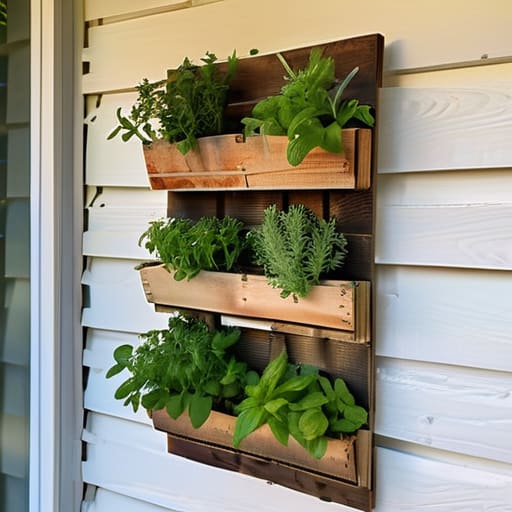
If you’re like me, your kitchen counter is currently a battlefield of spice jars and half-used herb packets. Instead of fighting for precious square footage, use a pallet to create a vertical herb garden against a sunny wall or balcony railing. It’s a simple way to bring some greenery into your life without the clutter of individual pots scattered everywhere.
Heavy-Duty Boot & Tool Rack
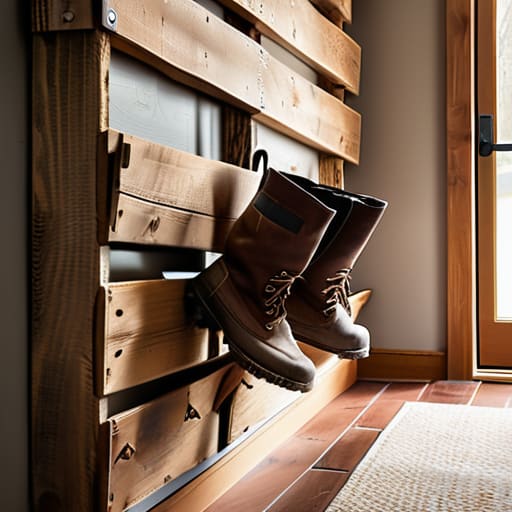
There is nothing quite as infuriating as stepping into a puddle because someone left muddy boots in the middle of the hallway. A pallet-based boot rack is a no-nonsense solution for the mudroom or the garage. By mounting a pallet vertically, you create natural slots that keep footwear separated and, more importantly, off the floor.
The Low-Profile Coffee Table
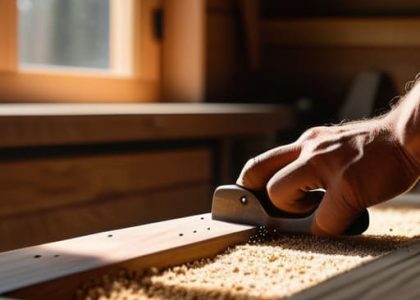
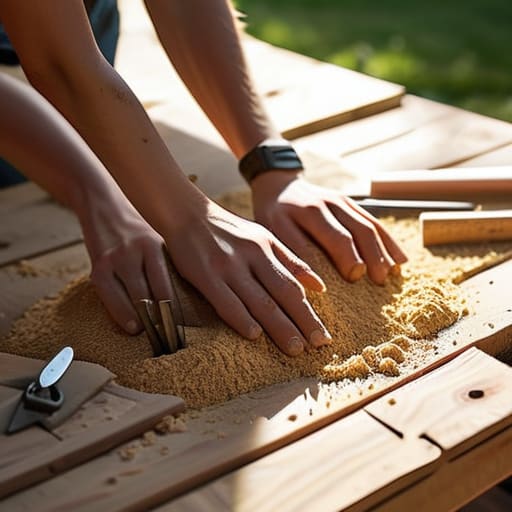
Most “DIY” furniture projects end up looking like something out of a high school shop class, but a pallet coffee table can actually look quite sophisticated if you follow one rule: sand it until your arms ache. You want to eliminate every splinter and rough edge before you even think about adding a finish.
Outdoor Lounge Seating
When you want to spend time outside but don’t want to drop a small fortune on designer patio furniture, pallets are your best friend. You can stack two pallets to create a sturdy base for a lounge chair, then top it with some high-quality outdoor cushions. It’s a modular approach that works for almost any porch or deck size.
The Modular Wall Organizer
We all have that one “junk drawer” or corner where miscellaneous items go to die. A pallet mounted to a wall acts as a command center for the small stuff. You can tuck small bins into the gaps or screw in magnetic strips to hold metal tools, keys, or even stationery.
Rustic Wine or Beverage Station
If you host even the occasional dinner party, you know the struggle of finding a clean spot to set down bottles and glasses. A repurposed pallet can be turned into a compact beverage station for your dining area or patio. By adding a few simple shelves, you create a dedicated zone for your drinks.
The Backyard Compost Bin
Composting can feel like a messy, overwhelming chore if you don’t have a proper setup. Using four pallets lashed together creates a functional compost bin that allows for the airflow necessary to break down organic matter efficiently. It’s much better than just having a pile of rotting scraps in the corner of the yard.
Raised Garden Beds
If your soil quality is questionable—which, let’s be honest, it usually is—building raised beds is the most logical move. You can use pallets to construct sturdy garden frames that keep your vegetables elevated and away from ground-level pests. It gives you total control over the soil composition from day one.
Stop Collecting, Start Building
At the end of the day, whether you’re slapping together a vertical herb garden for the patio or building a heavy-duty workbench to clear the garage clutter, the goal remains the same: utility. We’ve looked at everything from simple storage solutions to more involved furniture builds, but don’t feel like you have to tackle the whole list at once. The trick isn’t to turn your weekend into a high-stress construction site; it’s about choosing one functional project that solves a specific problem in your space. Pick the one thing that’s currently driving you crazy—be it a pile of shoes by the door or a lack of plant space—and start there.
I know how it goes. You see a great idea online, you buy the sander, you grab the wood, and then life happens and the project sits in the corner gathering dust. Don’t let that happen here. You don’t need a master carpenter’s degree or a pristine workshop to make these work; you just need a bit of grit and a solid plan. Stop waiting for the “perfect” time to start your DIY journey and just build something useful. Once that first piece of furniture is standing and actually doing its job, you’ll realize that the real reward isn’t the object itself, but the reclaimed space and sanity that comes with it.
Frequently Asked Questions
How do I know if a pallet is safe to use for indoor furniture versus outdoor garden projects?
Look for the stamp. If you see “HT,” it’s heat-treated—safe for your living room. If you see “MB,” walk away immediately; that’s methyl bromide, a nasty pesticide that you do not want off-gassing near your sofa. For outdoor garden projects, you have a bit more breathing room, but I still recommend sticking to HT. It’s not worth the risk of bringing toxic chemicals into your home just to save a few bucks.
What’s the best way to sand down old wood without spending an entire weekend on it?
Look, if you try to hand-sand an entire pallet, you’ll end up hating woodworking by Sunday night. Skip the heavy-duty orbital sander if you’re just prepping for a stain; it’s overkill and messy. Instead, grab a random orbital sander for the bulk of the work, then finish with a medium-grit sanding sponge for the corners. It’s faster, gives you better control in the nooks, and won’t leave your arms feeling like lead.
Do I really need heavy-duty power tools, or can I pull this off with a basic toolkit?
Look, I’m a fan of efficiency, not unnecessary spending. You don’t need a workshop full of industrial gear to make these work. If you have a decent drill, a hammer, and some sandpaper, you’re halfway there. However, if you’re planning on heavy-duty builds, a reciprocating saw will save your wrists from a lot of grief. Start with what you have; if the project feels like a slog, then consider upgrading.
How do I stop the wood from rotting if I'm building something for the patio?
If it’s going outside, you can’t just slap on some cheap stain and hope for the best. You need to treat the wood before it ever touches the patio. I always recommend a high-quality, penetrating wood sealer or a dedicated exterior-grade preservative. If you’re using untreated pallets, you’re essentially fighting a losing battle against moisture. Seal every single surface—including the end grain—to stop water from wicking in and turning your hard work into mush.