

I was sitting at my desk last Tuesday, staring at a half-eaten protein bar and a mountain of spreadsheets, when I realized I wasn’t actually hungry—I was just crashing. It’s that mid-afternoon fog that hits right when you need to be at your sharpest, and more often than not, we try to fix it with another hit of glucose. Most of the “wellness” advice out there makes learning how to reduce sugar feel like a full-time job involving expensive monk fruit powders and complicated keto recipes that take more time to prep than they’re worth. Honestly, if a health trend requires a PhD and a massive grocery budget just to navigate the aisles, it’s broken.
I’m not here to sell you on a lifestyle overhaul or a restrictive detox that leaves you cranky and unproductive. My approach is much more aligned with my IT background: we’re going to troubleshoot the system, not replace the hardware. I want to share the practical, low-maintenance shifts I’ve used to stabilize my energy without turning my kitchen into a laboratory. We’ll focus on functional swaps and small, repeatable habits that actually stick when life gets messy, so you can stop fighting your cravings and get back to living.
Stop the Sugar Rollercoaster How to Reduce Sugar for Real
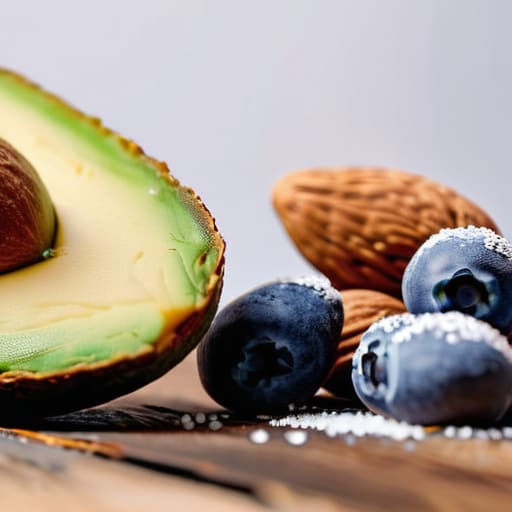
The problem isn’t just the candy bar you grabbed at the checkout line; it’s the physiological loop you get stuck in every afternoon around 3:00 PM. When you lean on quick hits of glucose, you aren’t just eating; you’re essentially triggering a crash-and-burn cycle. To break this, you have to start managing blood sugar spikes rather than just trying to white-knuckle your willpower. If you eat something that sends your levels skyrocketing, your body will inevitably demand a “fix” an hour later. It’s not a lack of discipline; it’s just bad chemistry.
The easiest way to stabilize things is to stop looking for “diet” versions of junk and start looking at your foundation. I’ve found that swapping out refined grains for low glycemic index foods—think oats, lentils, or even just adding more fiber to your breakfast—makes a massive difference in how you feel by midday. It’s about creating a steady stream of energy instead of a series of peaks and valleys. If you can steady the baseline, the frantic urge to raid the pantry starts to fade on its own.
Hunting the Hidden Sugars in Processed Foods You Trust
If you want to actually succeed, you have to stop looking at the front of the box and start reading the fine print on the back. Food companies are masters of camouflage; they’ll slap a “natural” or “heart-healthy” label on a carton of yogurt, but once you flip it over, you’ll find a chemistry experiment masquerading as breakfast. I’m talking about the dreaded aliases—maltodextrin, barley malt, agave nectar, or anything ending in “-ose.” These are all just different ways of sneaking hidden sugars in processed foods past your defenses. It’s not about being a nutrition expert; it’s about recognizing that if a label looks like a periodic table, it’s probably not going to help you stabilize your energy.
My rule of thumb is simple: if the ingredient list is longer than my grocery receipt, I approach it with skepticism. Instead of trying to fight every craving with willpower, I focus on managing blood sugar spikes by choosing whole, single-ingredient items whenever possible. If you’re grabbing something from a package, aim for things that won’t send your insulin on a wild ride. It’s much easier to maintain a system when you aren’t constantly playing catch-up with a glucose crash that hits twenty minutes after lunch.
Mastering the Art of Managing Blood Sugar Spikes
If you’ve ever felt that mid-afternoon crash—where your brain suddenly feels like it’s running on a dying battery—you aren’t failing; you’re likely just experiencing the aftermath of a glucose spike. Most people try to fix this by reaching for more caffeine, but that’s just more troubleshooting for a problem that needs a structural fix. Managing blood sugar spikes isn’t about deprivation; it’s about the order in which you consume your fuel. When you eat carbohydrates on an empty stomach, your blood sugar shoots up and then craters, leaving you desperate for the next hit.
The easiest way to stabilize the system is to prioritize fiber, protein, and healthy fats before you touch the starch. I like to think of it as building a buffer. If you’re going to have something sweet or carb-heavy, pair it with something substantial. Instead of a plain piece of toast, try avocado on sourdough or Greek yogurt with seeds. By leaning into low glycemic index foods, you slow down the absorption process, preventing that frantic “emergency” feeling your body sends when your levels drop. It’s much more efficient to maintain a steady baseline than to spend your whole day chasing the highs and lows.
Simple Swaps Using Low Glycemic Index Foods
Look, I’m not a fan of the “all or nothing” approach. If you try to cut everything out overnight, you’ll end up face-down in a bag of gummy bears by Wednesday. Instead of focusing on what you’re losing, focus on what you’re swapping. The goal is to transition toward low glycemic index foods—the kind that digest slowly and don’t leave you feeling like you’ve crashed an hour after eating. Think of it like upgrading your hardware; you’re looking for more stable energy delivery rather than those erratic power surges.
Instead of reaching for that white bread or those sugary cereals that spike your levels instantly, try switching to steel-cut oats or sourdough. If you’re craving something sweet after dinner, skip the processed dessert and go for berries with a dollop of Greek yogurt. These are much better healthy snack alternatives because they provide actual substance. It’s about building a toolkit of reliable options so that when a craving hits, you aren’t left scrambling for something that’s going to wreck your afternoon. Keep it simple, keep it functional, and stop making it harder than it needs to be.
Practical Ways to Stop Sugar Addiction Without the Drama
Look, we need to stop treating sugar withdrawal like some dramatic, life-altering detox ritual. When you try to go cold turkey on everything sweet overnight, you usually end up face-down in a bag of gummy bears by Wednesday afternoon. That’s not a system; it’s a recipe for failure. Instead of a total overhaul, I prefer a modular approach. Start by auditing your environment. If your pantry is a minefield of temptation, you’re playing the game on hard mode for no reason. Clear the clutter and replace those high-sugar triggers with healthy snack alternatives—think almonds, Greek yogurt, or even some sliced apple with peanut butter. It’s about lowering the friction of making a good choice.
The second part of the strategy is about stabilizing your baseline. Most people think they’re “addicted” when they’re actually just experiencing the crash after a massive spike. By focusing on low glycemic index foods during your main meals, you prevent that frantic, brain-fogged craving from ever taking root. It’s much easier to learn how to stop sugar addiction when your biology isn’t screaming for a quick fix every two hours. Keep it boring, keep it consistent, and stop looking for a miracle cure when simple stability is what you actually need.
Reliable Natural Sugar Substitutes That Actually Taste Good
Look, I’m not a fan of the “diet culture” approach where you replace one chemical nightmare with another. If you’re trying to figure out how to stop sugar addiction, the last thing you want to do is load your coffee with synthetic sweeteners that leave a weird, metallic aftertaste and leave you craving the real thing ten minutes later. I prefer a more functional approach: using ingredients that actually provide a bit of substance.
Stevia and monk fruit are the heavy hitters here. They are excellent natural sugar substitutes because they don’t wreak havoc on your insulin levels, which is crucial for managing blood sugar spikes throughout the day. If you’re using stevia, just a word of warning: it can be finicky. A little goes a long way, and if you overdo it, your morning tea will taste like a science experiment gone wrong.
For those of us who prefer something with a bit more texture, erythritol is a solid choice for baking. It mimics the bulk of sugar without the glycemic fallout. However, my personal go-to for a quick fix is a tiny bit of real maple syrup or raw honey. While they are still sugars, they are less processed than the white stuff found in most pantry staples. Use them sparingly as flavor enhancers rather than main ingredients, and you’ll find it much easier to maintain your momentum.
Low Maintenance Healthy Snack Alternatives for Busy Days
Look, I get it. You’re halfway through a back-to-back afternoon of meetings, your brain feels like it’s running on low battery, and the vending machine is calling your name. This is exactly when most people fall into the trap of grabbing a “protein bar” that is essentially just a candy bar in disguise. Most of those convenient options are packed with hidden sugars in processed foods, leaving you even more exhausted twenty minutes later. If you want to avoid that mid-afternoon crash, you need a system that doesn’t require a culinary degree to execute.
The trick is to prioritize satiety over convenience. Instead of reaching for something packaged, keep a stash of low glycemic index foods in your desk or car. Think almonds, walnuts, or even a hard-boiled egg. If you need a bit of sweetness, grab a handful of berries or an apple with some almond butter. These pairings provide a slow, steady release of energy, which is the most effective way of managing blood sugar spikes without having to constantly monitor your glucose levels. It’s not about being perfect; it’s about having a reliable backup plan so you aren’t making desperate decisions when your willpower is at zero.
Building Sustainable Habits That Work When Life Gets Messy
Look, we both know how this goes. You start Monday with the best intentions, your pantry is stocked with organic goodness, and you’re feeling invincible. Then, a deadline hits, the kids get sick, or you simply have a day where nothing goes right. Suddenly, you’re standing in front of the pantry at 9:00 PM, reaching for the easy stuff because your willpower has officially left the building. This is exactly where most people fail—they try to build a lifestyle that requires perfection, but perfection is a terrible operating system.
If you want to make progress, you have to design for your worst days, not your best ones. Instead of aiming for a total overhaul, focus on creating “fail-safes.” This means having a rotation of healthy snack alternatives—like a tin of sardines or a handful of almonds—pre-positioned in your bag or desk so you aren’t forced to make a decision when you’re exhausted. It’s about reducing the friction between a craving and a sensible choice. When you stop treating nutrition like a high-stakes exam and start treating it like a series of small, repeatable systems, you actually stand a chance at long-term success.
My Five Non-Negotiable Rules for Cutting Back Without Losing Your Mind
- Stop relying on “low-fat” labels to save you. Usually, when a manufacturer strips the fat out of something, they compensate by dumping in extra sugar to make it palatable. If the label looks like a chemistry textbook, put it back.
- Keep a “buffer” snack in your bag or desk at all times. Most of my sugar binges happened when I was running on empty between meetings. Having a handful of almonds or a piece of jerky prevents that desperate, mid-afternoon scramble for the vending machine.
- Audit your liquid intake before you touch your food. You can eat all the broccoli in the world, but if you’re washing it down with a sweetened latte or a “healthy” fruit juice, you’re still on the rollercoaster. Stick to water, black coffee, or tea until you’ve stabilized.
- Don’t aim for perfection; aim for a baseline. If you try to go zero-sugar overnight, you’ll crash and burn by Wednesday. Pick one meal a day—like breakfast—and make it a no-sugar zone. Once that feels boringly easy, move to the next.
- Use your physical environment to your advantage. If those cookies are sitting on the counter in plain sight, you’re going to eat them. Hide the treats in a high cabinet or, better yet, don’t bring them into the house in the first place. Out of sight, out of mind isn’t just a cliché; it’s a functional system.
The Long Game
Look, we’ve covered a lot of ground here—from spotting the sneaky sugars hiding in your “healthy” yogurt to mastering the art of the low-glycemic swap. The goal isn’t to transform into a person who only eats steamed kale and plain water overnight. That’s a recipe for failure. Instead, focus on the systems we discussed: keeping better snacks on hand, managing those inevitable blood sugar spikes, and choosing substitutes that don’t make your food taste like cardboard. It’s about reducing the friction between your intentions and your actual habits. If you can manage the basics when things get chaotic, you’ve already won half the battle.
At the end of the day, don’t let a single slip-up turn into a total system crash. If you eat a doughnut at a meeting or grab a soda because you’re running on fumes, don’t throw the whole week away. Just pick up your pen, note what happened, and get back to the plan at your next meal. We aren’t looking for perfection; we’re looking for a version of life that feels sustainable and functional. Cut the sugar where you can, keep the good stuff in your pantry, and stop treating your diet like a high-stakes troubleshooting session. You’ve got this.
Frequently Asked Questions
How do I handle the inevitable sugar cravings when I'm stressed or running on zero sleep?
When you’re running on fumes, your brain isn’t looking for nutrition; it’s looking for a quick hit of dopamine to survive the day. Don’t fight the urge with willpower alone—it’s a losing battle. Instead, use a “bridge” strategy. Grab something with protein and fat first—like a handful of almonds or some Greek yogurt. It stabilizes your blood sugar so the craving doesn’t turn into a full-blown binge. Control the biology, not just the mood.
Are there specific "healthy" foods I should avoid because they're actually just sugar in disguise?
Look, the marketing on these labels is designed to bypass your logic. Watch out for “healthy” staples like flavored yogurts, granola bars, and even certain fruit juices. They’re often just dessert in a wellness costume. Even some veggie straws or sweetened oat milks are packed with hidden syrups. If it’s marketed as a “quick energy” fix or “natural” boost, grab your notebook and check the ingredient list. If sugar is in the top three, put it back.
Will I notice a physical difference in my energy levels if I actually stick to this for more than a week?
Absolutely. If you stick to this, you’ll likely feel the shift within three to five days, but the real magic happens around the two-week mark. That mid-afternoon “brain fog” where you feel like you’re running on low battery? That should start to lift. You aren’t just avoiding a crash; you’re stabilizing your baseline. It’s less about a sudden burst of euphoria and more about finally feeling steady enough to actually get things done.
How much sugar is actually "too much" before it starts impacting my long-term health?
Look, I’m not here to give you a math lecture, but the numbers matter. The general consensus—and the one I stick to—is keeping added sugars to under 25–36 grams a day. That’s roughly six to nine teaspoons. It sounds tiny, right? But one “healthy” yogurt can blow that budget before breakfast. Don’t aim for perfection; just aim to stop the slow creep of excess sugar into your daily baseline.