Look, I get it. Most of the time, when I think about cooking meatless meals, I picture someone in a pristine white kitchen spending three hours massaging kale or chasing after some obscure, expensive superfood. But between my consulting clients and the sheer chaos of a Tuesday evening, I don’t have time for culinary theater. We need easy vegetarian recipes that don’t require a degree in botany or a complete kitchen overhaul just to get something edible on the table. Life is already a series of troubleshooting sessions; your dinner shouldn’t feel like another system failure.
I’ve spent the last few weeks refining a shortlist of go-to meals that actually hold up when you’re exhausted and the fridge looks like a wasteland. I’m not talking about salads that leave you hungry twenty minutes later; I’m talking about real, sustaining food. In this list, I’m sharing eight of my personal favorites—meals that are built for efficiency and flavor. You’ll learn how to leverage pantry staples and minimal prep time so you can stop stressing about “what’s for dinner” and finally get back to living.
The One-Pan Chickpea Wonder
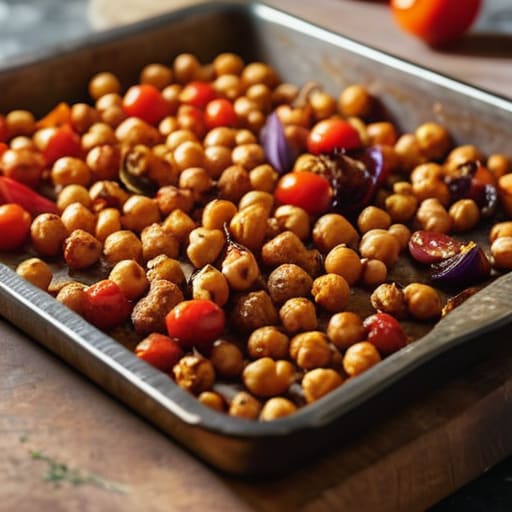
When I’m deep in a consulting project and the last thing I want to do is scrub three different pots, this is my go-to. You basically toss a can of chickpeas, some halved cherry tomatoes, and a sliced red onion onto a baking sheet with plenty of olive oil and dried oregano. Throw it in a hot oven and let the heat do the heavy lifting while you actually finish that email or decompress for twenty minutes.
Pantry-Staple Black Bean Tacos
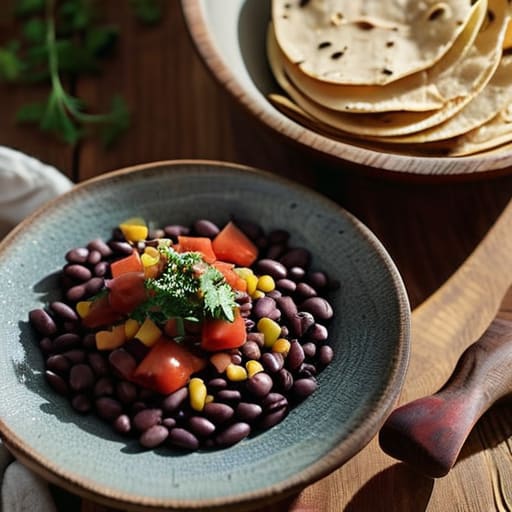
We’ve all had those nights where the fridge looks like a desert, but the pantry is actually a goldmine if you know where to look. A tin of black beans, a jar of salsa, and some corn tortillas are all you really need to avoid the dreaded takeout siren song. I like to mash the beans slightly with a fork and a heavy hand of cumin and garlic powder to give them some much-needed texture.
The "No-Brainer" Pesto Pasta
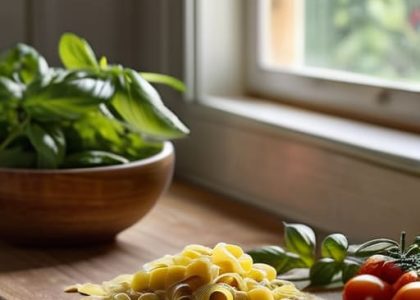
If you have a jar of decent pesto in the cupboard, you are halfway to a decent dinner. I’ve found that the secret to making this feel less like “student food” and more like an actual meal is to add some structural integrity through vegetables. Throwing some frozen peas or baby spinach into the boiling pasta water during the last two minutes of cooking is a small, efficient habit that pays off.
Red Lentil Soup for Soul Repair
There is something deeply grounding about a bowl of red lentil soup, especially on a rainy Tuesday when your productivity has hit a wall. Red lentils are the unsung heroes of the vegetarian world because they don’t require soaking and they break down into a creamy consistency almost instantly. I usually simmer them with a bit of vegetable stock, some diced carrots, and a spoonful of turmeric for a bit of color and warmth.
Sheet Pan Halloumi and Veggies
If you find vegetarian meals a bit “light” or unsatisfying, you probably just need more protein and fat. Halloumi is my secret weapon here; it’s a cheese that actually holds its shape when you roast it, providing a salty, chewy texture that mimics meat quite well. I chop up some bell peppers, zucchini, and red onion, toss them in oil, and nestle the halloumi slices right in the middle.
The 10-Minute Caprese Quesadilla
This is what I call a “bridge meal”—it’s what you make when you’re too hungry to wait for a real recipe but too tired to eat a bowl of cereal. It’s a twist on the classic Italian flavors but uses the format of a quesadilla for speed. You just layer fresh mozzarella, sliced tomatoes, and a handful of basil between two tortillas and toast it in a dry pan until the cheese is gooey and molten.
Loaded Sweet Potato Boats
Sweet potatoes are the ultimate reliable tool in my kitchen arsenal; they are hearty, inexpensive, and incredibly versatile. I like to prick them with a fork and microwave them for about eight to ten minutes if I’m in a rush, or roast them if I have the time to let the skins get slightly crispy. Once they’re soft, you just slice them down the middle and treat the center like a vessel for whatever you have on hand.
Cold Peanut Noodle Salad
On those days when the kitchen feels too hot or you just can’t face a steaming bowl of something, a cold noodle salad is a lifesaver. You can use any kind of pasta or even rice noodles; just toss them with a quick sauce made from peanut butter, soy sauce, a splash of sesame oil, and a bit of sriracha for heat. It’s a pantry-raid classic that requires zero actual cooking if you use pre-cooked noodles.
The Bottom Line
At the end of the day, these recipes aren’t about achieving some unattainable culinary perfection or spending three hours prepping fancy garnishes. They are about building a rotation of meals that rely on reliable staples—things like beans, grains, and hearty vegetables—that don’t require a PhD to prepare. Whether you’re leaning on a quick one-pan roast or a simple pasta that uses whatever is left in the pantry, the goal is to remove the decision fatigue that usually hits around 6:00 PM. If you can master even three of these, you’ve already won half the battle against the nightly “what’s for dinner” meltdown.
Don’t feel like you have to overhaul your entire kitchen or become a dedicated vegetarian overnight to make this work. Systems are only useful if they actually fit into your existing life, not if they create more work for you to manage. Start small, keep your tools simple, and remember that a functional kitchen is one that serves you, rather than the other way around. Once you stop viewing mealtime as another chore on your to-do list and start seeing it as a predictable, low-maintenance part of your routine, you’ll finally have the mental bandwidth to actually enjoy the food—and the evening.
Frequently Asked Questions
How do I make sure I’m actually getting enough protein without spending an hour prepping beans every night?
Stop overcomplicating it. You don’t need to be a sous-chef to hit your protein goals. Keep a few “low-effort” staples on hand: canned chickpeas (rinse them, don’t drain them dry), Greek yogurt, hemp seeds, or even frozen edamame. I keep a jar of nutritional yeast in my pantry for exactly this reason—sprinkle it on literally anything. It’s about building a toolkit of quick wins so you aren’t staring at a pot of dry lentils at 7:00 PM.
Can I prep these meals on a Sunday, or will they just turn into a soggy mess by Wednesday?
Look, I’m all for Sunday prep, but let’s be realistic: some things don’t age well. If you’re making the stews or grain bowls, you’re golden until Thursday. But if you try to prep the salads or anything with a heavy dressing ahead of time, you’re basically making expensive compost. My rule of thumb? Prep the components—the roasted veg, the grains, the proteins—but don’t assemble the final dish until you’re actually ready to eat.
What are the best pantry staples I should keep on hand so I'm not running to the store every time I want to cook?
Stop treating your pantry like a storage unit and start treating it like a toolkit. If you’re running to the store every Tuesday, your system is broken. Build a foundation of high-utility items: dried lentils, canned chickpeas, jasmine rice, and good olive oil. Throw in some crushed red pepper, soy sauce, and a few jars of decent marinara. If you have these basics, you can pull a meal together even when the fridge looks bleak.
How do I scale these recipes down for one person without wasting half the ingredients?
Scaling down is where most people lose the plot and end up with a fridge full of wilting spinach. Don’t try to math your way through half an onion; just buy the smallest unit available or freeze what’s left. For the bulkier stuff, I use the “component method.” Prep a larger batch of one base ingredient—like grains or roasted veggies—and rotate them through different flavor profiles. It’s less math, less waste, and much more functional.