

I was staring at a stack of $80 “superfood” meal kits and a color-coded nutrition app last Tuesday, feeling like I was failing a test I never signed up for. The wellness industry loves to sell us this idea that learning how to build better eating habits requires a PhD in macro-nutrients and a pantry full of exotic powders. It’s exhausting, it’s expensive, and frankly, it’s broken. We’ve been conditioned to believe that if our diet isn’t perfectly optimized and Instagram-ready, we’re doing it wrong, but that’s just more noise in an already loud world.
I’m not here to sell you on a lifestyle overhaul that collapses the moment you have a deadline or a sick kid. Instead, I want to talk about building systems that actually hold up under pressure. We’re going to skip the complicated protocols and focus on practical, repeatable frameworks—the kind of functional habits that work when you’re tired, busy, and running on caffeine. My goal is to help you stop troubleshooting your plate and start finding a rhythm that actually sticks.
Stop Troubleshooting Your Diet How to Build Better Eating Habits

The problem with most “dieting” is that it’s designed for a version of you that has zero stress, a pristine kitchen, and unlimited willpower. But that person doesn’t exist. Real life happens in the gaps between meetings and the chaos of a Tuesday evening. When we treat nutrition like a software patch we need to install overnight, we inevitably crash. Instead of looking for a magic fix, I prefer to look at it through the lens of systems. If you want to see sustainable nutrition changes, you have to stop relying on fleeting motivation and start building a framework that survives a bad day.
Start by simplifying your baseline. You don’t need a complex spreadsheet to succeed; you need nutritional meal prep tips that actually fit your schedule, like batch-cooking one versatile protein on Sundays rather than spending five hours in a kitchen apron. If you find yourself reaching for snacks because you’re stressed rather than hungry, don’t beat yourself up—just recognize it as a data point. By incorporating basic mindful eating techniques, like actually sitting down for ten minutes without a screen, you can start to distinguish between genuine hunger and just needing a mental break. It’s about creating a repeatable process, not achieving perfection.
Ditch the Hacks for Sustainable Nutrition Changes That Last
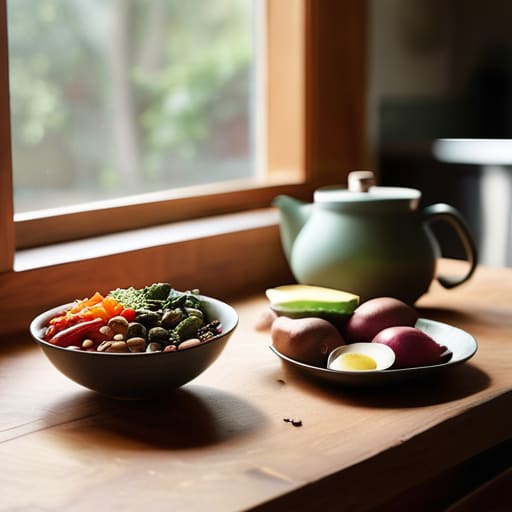
Look, I’ve seen enough “miracle” cleanses and 21-day challenges to know they’re nothing more than temporary patches on a broken system. They fail because they require a level of perfection that doesn’t exist in a real, messy life. If your strategy relies on you having zero stressful meetings and a perfectly stocked pantry every single Tuesday, it’s a bad strategy. We need to stop looking for the quick fix and start focusing on sustainable nutrition changes that don’t require a PhD in willpower to maintain.
Instead of trying to overhaul your entire pantry overnight, start with small, mechanical shifts. For me, that meant moving away from the “all or nothing” mindset and leaning into simple nutritional meal prep tips that actually fit a working schedule—like prepping just the proteins or grains on a Sunday so the mid-week scramble is less chaotic. It’s not about being a gourmet chef; it’s about reducing the number of decisions you have to make when you’re tired. When you automate the basics, you stop treating your diet like a crisis to be managed and start treating it like a functional system that supports your life, rather than one that demands your constant attention.
Real Meal Planning for Beginners Without the Kitchen Chaos
Most people approach meal planning like they’re preparing for a high-stakes product launch: they buy every superfood in the aisle, prep ten identical Tupperware containers on Sunday, and by Wednesday, they’re staring at a wilted salad with zero desire to eat it. That’s not a system; it’s a recipe for burnout. If you want actual meal planning for beginners that doesn’t feel like a second job, you have to stop trying to predict the future. You aren’t a robot, and your schedule isn’t a static spreadsheet.
Instead of rigid menus, try building a “modular” pantry. Keep a few reliable staples on hand—think grains, a couple of proteins, and frozen veggies—that can be thrown together in fifteen minutes when the day goes sideways. The goal isn’t perfection; it’s reducing the number of decisions you have to make when you’re tired. By focusing on these small, nutritional meal prep tips rather than complex recipes, you create a safety net. This way, when the chaos hits, you aren’t reaching for the takeout menu because you actually have a functional fallback plan ready to go.
Nutritional Meal Prep Tips for When Life Gets Messy
Most people approach meal prep like they’re preparing for a military deployment—buying forty identical Tupperware containers of steamed broccoli and plain chicken. That’s a recipe for burnout. When life gets chaotic, that level of rigidity is the first thing to break. Instead, I prefer a “component-based” approach. Don’t cook full meals; just prep the building blocks. Roast a tray of vegetables, boil a batch of quinoa, and grill some protein. Having these modular pieces ready means you can assemble a decent bowl in five minutes rather than staring blankly into a fridge full of raw ingredients while your blood sugar crashes.
The goal isn’t perfection; it’s reducing the number of decisions you have to make when you’re exhausted. If you have the components ready, you’re far less likely to fall into the trap of overcoming emotional eating by reaching for whatever processed snack is easiest to grab. This is one of those essential nutritional meal prep tips that actually holds up when the Wi-Fi goes down or a deadline shifts. By focusing on these versatile staples, you create a buffer against the chaos, ensuring you eat something functional even on your worst days.
Using Mindful Eating Techniques to Actually Enjoy Your Food
We spend so much time optimizing our calendars and our spreadsheets, yet we treat the actual act of eating like a task to be checked off a list. I’ve spent many nights staring at a laptop screen, mindlessly inhaling whatever was in front of me while my brain was still stuck in a meeting. That isn’t eating; it’s just refueling a machine. To make any real progress, we have to stop treating food as an afterthought. Implementing basic mindful eating techniques—like actually sitting at a table without a screen—isn’t about being “zen” or performing some spiritual ritual. It’s about re-establishing the connection between your brain and your stomach so you actually realize when you’re full.
This is also where the battle against overcoming emotional eating is won or lost. When we eat on autopilot, we usually default to whatever is easiest, saltiest, or most processed. By slowing down and paying attention to texture and flavor, you’ll find that you don’t need nearly as much volume to feel satisfied. It’s not about restriction or punishing yourself with complex rules; it’s about intentionality. If you can learn to recognize the difference between genuine hunger and just being stressed or bored, you’ve already done more for your long-term health than any fad diet ever could.
Practical Portion Control Strategies for Busy Unpredictable Days
When your schedule goes sideways, the first thing to fly out the window is usually your sense of scale. I’ve been there—staring at a takeout container at 8:00 PM, realizing I’ve eaten enough calories to fuel a small village. Instead of spiraling into guilt, I treat portion control like any other operational bottleneck: you need a system that doesn’t require constant mental math. One of my favorite portion control strategies is the “visual anchor” method. If you aren’t using a scale (and let’s be honest, who has the time?), use your hand. Your palm is roughly your protein portion, your fist is your veggie serving, and your thumb is your fats. It’s a low-tech, high-reliability tool that works whether you’re at your desk or a restaurant.
Another way to manage the chaos is to stop eating directly out of the bag or the large serving bowl. It’s a trap. Even with solid nutritional meal prep tips in place, it’s easy to mindlessly graze while answering emails. Always transfer your food to a smaller, actual plate. It creates a psychological boundary that tells your brain the meal has a beginning and an end. It’s not about deprivation; it’s about creating a container for your habits so they don’t bleed into the rest of your day.
Overcoming Emotional Eating Without the Constant Self Judgment
Look, I’ve spent half my career debugging complex systems, and I’ve learned one thing: you can’t fix a glitch by yelling at the hardware. When it comes to overcoming emotional eating, treating yourself like a broken machine is the fastest way to ensure the cycle repeats. We’ve all been there—it’s 9:00 PM, the workday was a marathon of useless meetings, and suddenly that bag of chips feels like the only thing that can ground you. The mistake isn’t the snacking; it’s the immediate spiral of guilt that follows. That self-judgment acts like a system crash, making you feel so defeated that you might as well just keep eating.
Instead of fighting the urge with sheer willpower, try to approach it with a bit of data-driven curiosity. When the impulse hits, pause and ask yourself if you’re actually hungry or if you’re just trying to soothe a stress response. This isn’t about perfection; it’s about recognizing the pattern. If you can decouple the emotion from the action without the heavy layer of shame, you’re already making sustainable nutrition changes that actually stick. It’s not about being a saint; it’s about being a functional human who knows when they need a snack and when they just need a damn break.
Focusing on Functionality Instead of Perfectionist Food Rules
We have this collective obsession with “all-or-nothing” thinking. We decide that if we can’t follow a strict, color-coded meal plan with organic, locally sourced ingredients, then the whole day is a wash. It’s the same logic that makes people abandon a gym routine the moment they miss a single Monday workout. In my line of work, I see this constantly: people try to build a complex system that works perfectly in a vacuum, but the second a real-world variable hits—a late meeting, a sick kid, or just a bad mood—the whole thing crashes.
If you want sustainable nutrition changes, you have to stop treating your diet like a fragile piece of software that breaks at the first sign of an error. Instead, treat it like a sturdy piece of hardware. If you can’t do a full nutritional meal prep session on Sunday, don’t scrap the week; just pivot to a simpler, functional backup. Maybe that means frozen veggies and a rotisserie chicken instead of a gourmet stir-fry. The goal isn’t to achieve a flawless streak; it’s to build a system that is resilient enough to survive your actual life. Perfection is a trap that keeps you stuck in a loop of starting over. Stop aiming for perfect and start aiming for functional.
The Low-Maintenance Toolkit for Better Eating
- Build a “Default Meal” library. Stop staring at the pantry at 6:00 PM like it’s a complex coding error. Pick three meals that require zero brainpower, use minimal dishes, and actually taste decent. When the day falls apart, you don’t “decide” what to eat; you just execute your default.
- Audit your environment, not your willpower. Willpower is a finite resource, and mine usually runs out by mid-afternoon. If the counter is covered in processed junk, you’re going to eat it. Clear the visual clutter and keep the high-function fuel—like nuts, fruit, or pre-washed greens—at eye level and easy to grab.
- Use the “Add, Don’t Subtract” rule. Most diets fail because they feel like a series of subtractions, which just leaves you feeling deprived and cranky. Instead of deciding what you can’t have, focus on what you can add to make a meal more complete—a handful of spinach, a bit of protein, or some healthy fats. It’s much easier to sustain.
- Master the art of the “Emergency Protein.” Keep non-perishable, high-quality protein sources in your desk or car—think jerky, canned tuna, or even a decent protein bar. Most of my “bad” eating decisions happen when my blood sugar crashes and I’m forced to choose between a vending machine or nothing at all.
- Stop treating your kitchen like a laboratory. You don’t need a perfectly calibrated scale or a color-coded meal tracker to eat well. If a system feels like a chore, you won’t do it. If it doesn’t work when you’re tired, stressed, or running late, it’s a bad system. Keep it simple, keep it functional, and just keep moving.
Getting Back to Living
At the end of the day, building better eating habits isn’t about achieving some pristine, Instagram-worthy version of nutrition. It’s about the systems we put in place so that when a deadline hits or the kids get sick, we don’t spiral into a cycle of takeout and self-reproach. We’ve talked about ditching the complicated hacks, simplifying your meal prep, and—most importantly—learning to eat with intention rather than just out of habit or stress. It’s about moving away from perfectionism and toward functional consistency. If you can master the basics of fueling your body without turning your kitchen into a second full-time job, you’ve already won the battle.
Please, stop treating your diet like a software bug that needs a constant stream of patches. You aren’t broken, and your relationship with food doesn’t need a complete overhaul every Monday morning. Instead, focus on the small, repeatable systems that actually hold up when life gets loud and messy. The goal isn’t to become a master chef or a nutrition expert; it’s to build a foundation that supports your life rather than consuming it. Once you stop troubleshooting every single bite, you’ll finally have the mental bandwidth to actually sit down, enjoy your meal, and get back to living.
Frequently Asked Questions
How do I stick to these habits when I’m traveling for work or stuck in back-to-back meetings?
When your schedule looks like a Tetris game gone wrong, stop trying to maintain your “perfect” routine. It’s a losing battle. Instead, switch to a “minimum viable protocol.” If you’re stuck in back-to-back meetings, your goal isn’t a balanced gourmet meal; it’s simply choosing the protein option over the pastry. When traveling, pack a few high-quality, shelf-stable snacks in your bag. Control the variables you actually can, and let the rest go.
I don't have hours to spend on meal prep; what are the absolute bare minimum steps I can take?
Look, if you’re looking for a three-hour Sunday ritual, you’re looking for a hobby, not a habit. Forget the elaborate Tupperware Tetris. Start with the “Component Method”: just cook one batch of a protein and one grain. That’s it. Throw them in a bowl with whatever greens are actually in your fridge. If you can manage one versatile ingredient, you’ve already won the battle against the takeout menu. Keep it functional.
How do I stop the cycle of "starting over" every Monday after a messy weekend?
Stop treating Monday like a hard reset button. When you view the weekend as a “failure” that needs to be purged, you’re just setting yourself up for a cycle of shame and restriction. Instead, treat Monday as a continuation, not a restart. If Saturday was a mess, don’t try to “make up for it” by starving yourself on Monday. Just get back to your baseline systems. Consistency isn’t about being perfect; it’s about how quickly you return to your routine.
Is it possible to build these systems without spending a fortune on specialized groceries or expensive meal kits?
Absolutely. In fact, I’d argue that expensive meal kits and “superfood” aisles are often just more noise in an already cluttered system. They create a dependency on a specific supply chain that breaks the moment you’re too tired to shop. Stick to the basics: versatile staples, frozen vegetables (which are just as nutritious and far more forgiving), and seasonal produce. If a food item requires a specialized glossary to understand, you probably don’t need it.