I’ve spent most of my career optimizing workflows and troubleshooting complex systems, but nothing quite tests your patience like a living room covered in glitter and half-dried glue. We’ve all been there: you search for kids craft ideas online, only to find projects that require a PhD in engineering or a cleanup process that takes three business days. The problem isn’t a lack of creativity; it’s that most “activities” are actually just unmanaged chaos disguised as fun. I don’t have the bandwidth for a mess that requires a deep clean, and frankly, neither do you.
Instead of chasing those overly complicated Pinterest trends that end in tears and ruined carpets, I’ve curated a list of eight low-friction, high-reward projects. These are functional, manageable crafts designed to keep small hands busy and your sanity intact. I’m talking about activities that use what you already have in your junk drawer and, most importantly, can be cleared away in under five minutes. Let’s get into the ideas that actually work for real life, so you can stop managing the mess and start enjoying the quiet.
The Cardboard Box Command Center
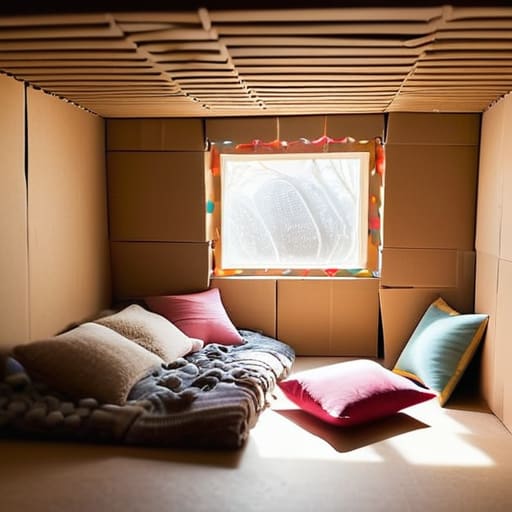
We’ve all been there: you buy a fancy, expensive craft kit only for it to be abandoned ten minutes later because the instructions were too dense. Instead, grab the delivery boxes currently piling up in your hallway. A large box isn’t just trash; it’s a modular construction site that can become a spaceship, a storefront, or a reading nook depending on the day’s whim.
Nature’s Paintbrushes
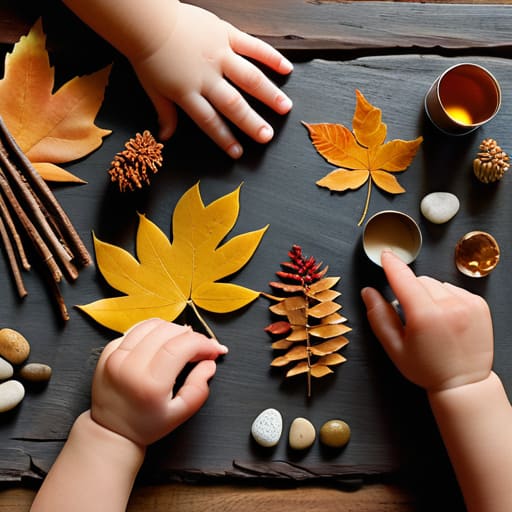
If you want to avoid the inevitable colorful smear on your dining room table, stop reaching for the acrylics and start looking out the window. Collecting sticks, dried leaves, and even interesting stones turns a craft session into a bit of a scavenger hunt. It’s a way to get them moving before they sit down to create, which is a strategic win for any parent.
The Low-Maintenance Rock Garden
Smooth river stones are the ultimate blank canvas for kids who lack the patience for fine-detail drawing. Unlike paper, which can tear or soak through with too much ink, stones are incredibly forgiving. I usually keep a small stash of smooth pebbles in a bin, ready for when the “I’m bored” complaints start rolling in.
DIY Pasta Jewelry
This is one of those old-school activities that works because the barrier to entry is virtually non-existent. You likely already have a box of dried penne or rigatoni in the pantry. All you need is some twine or even old shoelaces to thread them onto, creating a rudimentary but effective bead system.
Salt Dough Sculptures
When you want something more substantial than paper but aren’t ready to commit to the mess of professional modeling clay, salt dough is your best friend. It’s a simple ratio of flour, salt, and water that you can whip up in five minutes using whatever is in your kitchen cabinets. It’s essentially edible-adjacent, which makes it much safer for the younger crowd.
Coffee Filter Chromatography
This is where we lean a little into the science side of things without needing a lab coat. By using washable markers on coffee filters and then introducing a few drops of water, you can watch colors bleed and separate in a way that feels like actual magic to a child. It’s visual, it’s immediate, and it’s fascinating to observe.
The Recycled Collage Station
Instead of buying those overpriced “scrapbooking” kits, I recommend setting up a dedicated bin for interesting scraps. Old magazines, patterned wrapping paper remnants, and even those colorful junk mail envelopes can be repurposed. It’s about teaching them to see utility in the discarded, a mindset that serves them well far beyond the craft table.
Shadow Drawing
This is my favorite “emergency” craft for when the weather is terrible and everyone is getting restless. If you have a sunny window or even just a bright desk lamp, you can use objects to cast shadows onto paper. Whether it’s a plastic dinosaur or a complex houseplant, the goal is to trace the silhouette.
Less Mess, More Connection
At the end of the day, the goal here wasn’t to turn your living room into a professional art studio or to exhaust yourself managing a mountain of glitter. We looked at options that prioritize low-maintenance setup and high-engagement results—from the tactile simplicity of playdough to the focused calm of basic sketching. Whether you’re opting for something sensory to burn off some toddler energy or a quiet project to keep them occupied while you finally finish a cup of coffee, the common thread is simplicity. If a craft requires a three-step preparation process and a specialized cleaning kit, it’s not a tool for your sanity; it’s just another item on your to-do list that needs troubleshooting.
Don’t feel pressured to produce a masterpiece every single time the glue sticks come out. The real value in these activities isn’t the finished product sitting on the fridge; it’s the quiet moments of focus and the rare chance to actually sit down together without a screen in sight. Life is messy enough without turning your hobbies into chores. Pick one idea, grab your supplies, and let the kids explore. If it turns into a disaster, wipe the table down and move on. We’re aiming for functional joy, not perfection.
Frequently Asked Questions
How do I keep the mess contained so I'm not scrubbing glitter out of the rug for three weeks?
The secret isn’t better cleaning; it’s better containment. If you’re even considering glitter, you’ve already lost the battle. Stick to “contained” mediums like washable markers or playdough. If you must go messy, lay down a heavy-duty plastic tablecloth—not newspaper, which tears—and tape the edges to the floor. Better yet, designate a “mess zone” like a plastic tray or a specific rug you don’t mind losing. Control the perimeter, or you’ll be cleaning forever.
What are some decent craft supplies that won't break the bank but aren't complete junk?
Look, I’ve spent enough time cleaning up glitter-infused disasters to know that “cheap” often means “impossible to clean up.” Skip the massive, overpriced kits filled with flimsy plastic. Instead, build a foundational stash: heavy-weight construction paper, a decent set of washable tempera paints, and a bulk pack of glue sticks that actually stay stuck. If you invest in a few quality tools—like real child-safe scissors—you’ll spend less time troubleshooting messes and more time actually creating.
Are there ways to adapt these ideas for kids who have zero attention span or get frustrated easily?
Look, we’ve all been there—the “craft” turns into a meltdown in under three minutes. If attention spans are short, stop aiming for a finished masterpiece. Shift the goal from “making something” to “interacting with something.” Try sensory-heavy tasks like playdough or even just sorting colored buttons. If they get frustrated, pivot immediately. The system failed, not the kid. Keep the setup minimal, the cleanup easy, and be ready to call it a win after five minutes.
Can I find crafts that actually use stuff I already have in the junk drawer instead of needing a special trip to the craft store?
Absolutely. In fact, if a craft requires a specialized trip to a hobby shop, it’s probably more of a chore than a way to unwind. I’m a big believer in using what’s already in your ecosystem. Dig into that junk drawer—empty cardboard boxes, mismatched buttons, old twine, or even those leftover popsicle sticks. If it’s sitting there taking up mental space, let’s give it a functional purpose. Let’s keep it simple.