
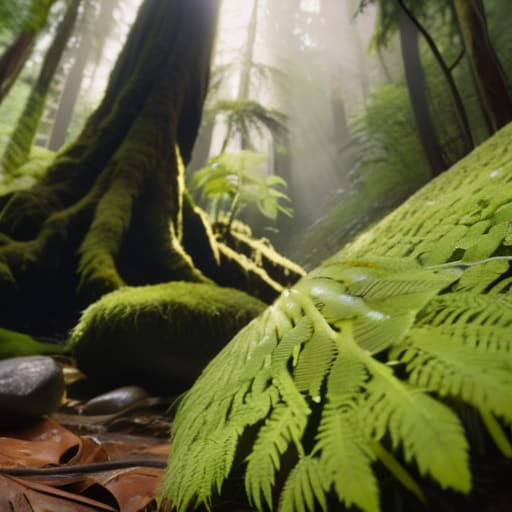
I was hunched over a disassembled Moog synthesizer last Tuesday, surrounded by a graveyard of capacitors and tangled copper wire, feeling that specific brand of brain-fog that only comes from staring at a screen for ten hours straight. My eyes were stinging, my neck was locked, and no amount of caffeine was going to fix the glitch in my cognitive processing. I didn’t need a $50 “mindfulness” subscription or a curated playlist of rainforest sounds to reset; I just needed to walk to the edge of the yard and stand there. We spend so much time over-engineering our wellness routines that we overlook the most basic, unoptimized truth: the actual, tangible benefits of time in nature don’t require a subscription or a steep learning curve.
I’m not here to sell you on some mystical, spiritual transformation that requires you to live in a yurt. I’m talking about functional recovery. In this guide, I’m stripping away the fluff to give you a pragmatic look at how stepping outside actually recalibrates your nervous system and clears the mental clutter. We’re going to focus on small, repeatable ways to integrate the outdoors into a busy life so you can stop troubleshooting your mood and start actually living again.
Stop Troubleshooting Your Brain and Just Go Outside

We spend half our lives trying to “optimize” our focus with noise-canceling headphones, Pomodoro timers, and expensive standing desks, yet we’re still running on fumes by 3:00 PM. The problem is that we treat our brains like software that just needs a patch, when really, we’re biological organisms stuck in a digital loop. You can’t out-app your way out of burnout. Sometimes, the most efficient operational move isn’t adding a new tool to your workflow; it’s a total system reset.
This is where the concept of nature therapy and stress relief moves from “wellness fluff” to actual biological necessity. When I feel that specific kind of mental fog—the kind where even opening a spreadsheet feels like wading through molasses—I stop trying to force the productivity. Instead, I head for the nearest trail. There is something about the psychological effects of natural environments that forces your nervous system to downshift. It isn’t about finding enlightenment or a spiritual awakening; it’s about the physiological reality of reducing cortisol through outdoor activity. It’s much harder for your brain to stay stuck in a high-alert troubleshooting loop when your eyes are tracking the movement of leaves rather than a blinking cursor.
The Real Benefits of Time in Nature for Busy Lives

Look, I’m not here to sell you on some mystical, spiritual awakening that requires a mountain retreat and a week of silence. I’m talking about the practical, biological reality of how our systems respond to the world. When you’re staring at a screen for ten hours straight, your nervous system isn’t just tired; it’s stuck in a loop. One of the most tangible ways to break that cycle is through reducing cortisol through outdoor activity. It’s not magic; it’s just physiology. Getting away from the blue light and the constant pings helps signal to your body that it’s okay to stop being in “survival mode” for a few minutes.
I tend to look at this through a functional lens. There is a concept called the biophilia hypothesis, which basically suggests we have an innate, biological need to connect with other forms of life. When we ignore that, we start to fray at the edges. We see the impact of green spaces on well-being every time a client realizes they haven’t actually breathed fresh air in three days. It’s about recalibrating your baseline. You don’t need a forest; a park bench and twenty minutes of actual, uncurated observation can be enough to stop the mental fog from settling in.
Why the Biophilia Hypothesis Explained Matters for Your Sanity
Look, I’m not a biologist, and I’m certainly not interested in a lecture on evolutionary theory. But the biophilia hypothesis explained in plain English is actually quite simple: we aren’t designed to live in concrete boxes staring at blue-light rectangles all day. We are biological entities with a hardwired, deep-seated need to connect with other living systems. When we ignore that connection, we don’t just get bored; we start to fray at the edges.
Think of it like running high-end hardware without a cooling system. Eventually, things overheat. When I’m deep in a project and my brain starts feeling like a browser with sixty open tabs, I realize I’m fighting my own biology. This isn’t just some “woo-woo” concept; it’s about the measurable psychological effects of natural environments on our ability to regulate ourselves.
Instead of trying to “optimize” my way out of burnout with another productivity app, I look toward nature therapy and stress relief as a functional necessity. It’s about recognizing that our brains actually crave the fractal patterns of leaves and the unpredictability of a breeze. Integrating even a few minutes of this into your routine isn’t a luxury—it’s a way to stop the system from crashing.
Nature Therapy and Stress Relief That Actually Sticks
Look, I’m not going to tell you to go live in a cabin in the woods or spend forty minutes a day in a silent trance. That’s not sustainable for anyone with a mortgage and a mounting inbox. Real nature therapy and stress relief isn’t about an expensive retreat; it’s about tactical, micro-doses of the outdoors that don’t feel like another chore on your to-do list. I’ve found that even fifteen minutes of walking without a podcast playing can do more for my nervous system than a dozen “mindfulness” notifications on my phone.
The science behind it is actually pretty grounded. We know that reducing cortisol through outdoor activity isn’t just some wellness fluff—it’s a physiological reset. When you step away from the blue light and the constant hum of the HVAC system, your body finally gets the signal that it doesn’t need to be in high-alert mode. It’s about lowering the baseline of your stress so you aren’t constantly operating at a level ten. If you can find a way to integrate even a tiny bit of greenery into your daily loop, you aren’t just “taking a break”—you’re preventing a total system crash.
Reducing Cortisol Through Outdoor Activity Instead of Apps
We’ve been conditioned to believe that every physiological problem has a digital solution. If your heart rate is up or your focus is shot, the instinct is to reach for your phone, open a breathing app, and follow a guided prompt. But let’s be honest: staring at a glowing rectangle to “relax” is a bit like trying to fix a short circuit by staring at the fuse box. It’s counterintuitive. Instead of chasing another notification, we should be looking at the physiological reality of reducing cortisol through outdoor activity.
When you actually step away from the screen, you aren’t just “taking a break”; you are engaging in a biological reset. There is a profound difference between a simulated calm and the actual psychological effects of natural environments. When you’re moving through a park or even just sitting in a backyard, your nervous system begins to shift out of that low-grade fight-or-flight mode that constant multitasking induces. It’s not about finding enlightenment; it’s about the simple, mechanical process of letting your body recognize that it isn’t currently under siege by an overflowing inbox. Nature doesn’t require a subscription fee or a software update to work.
The Mental Health Benefits of Forest Bathing for Real People
Now, let’s clear something up: “forest bathing” sounds like some high-maintenance wellness retreat where you have to wear linen and drink expensive matcha. In reality, it’s just the practice of being present in a wooded area without trying to “achieve” anything. You aren’t there to crush a trail run or hit a specific step count; you’re just there to exist. When we talk about the mental health benefits of forest bathing, we aren’t talking about magic. We’re talking about the physiological shift that happens when your sensory input moves from blue light and notification pings to the fractal patterns of leaves and the smell of damp earth.
For those of us juggling freelance deadlines or family chaos, this isn’t a luxury—it’s a tactical reset. The psychological effects of natural environments act as a buffer against the constant cognitive load we carry. It’s much harder for your brain to stay stuck in a loop of “what-if” scenarios when you’re actually observing the way light filters through the canopy. It’s a way to quiet the internal noise by giving your nervous system a break from the artificial stimulation of modern life. It’s not about escaping reality; it’s about finding a version of reality that doesn’t demand a response every five seconds.
How the Psychological Effects of Natural Environments Reset You
Here’s the thing about our brains: they aren’t designed for the relentless, high-frequency pinging of a smartphone. When we’re stuck behind a screen, our cognitive load is constantly redlining. We’re stuck in a loop of “directed attention,” which is essentially your brain’s way of trying to filter out every single digital distraction. It’s exhausting. The psychological effects of natural environments work by flipping the switch from that intense, forced focus to something called “soft fascination.” Instead of fighting to stay on task, your brain begins to wander naturally, observing the way light hits a leaf or the rhythm of a stream. It’s not about being unproductive; it’s about giving your prefrontal cortex a chance to actually cool down.
This shift is more than just a nice feeling; it’s a fundamental neurological reset. When you engage in nature therapy and stress relief, you’re essentially moving from a state of high-alert survival to one of restorative calm. By stepping away from the artificial geometry of our offices and into the organic chaos of a park or forest, you stop the mental “overheating” that leads to burnout. It’s the difference between trying to fix a frozen computer by clicking more buttons and simply restarting the system. Nature provides that reboot, allowing your mental faculties to settle back into a functional, steady state.
The Impact of Green Spaces on Well Being and Functionality
We tend to treat “well-being” like it’s another project to manage—a checklist of vitamins, sleep trackers, and breathing exercises. But there is a massive difference between managing your stress and actually shifting your baseline. This is where the impact of green spaces on well-being becomes practical rather than theoretical. When I’m deep in a consulting project and my brain feels like a browser with fifty tabs open, a walk through a park isn’t just a break; it’s a functional reset. It moves you from a state of high-alert cognitive processing to something more rhythmic and grounded.
It isn’t just about feeling “calm” in a vague, spiritual sense; it’s about cognitive efficiency. When we engage in nature therapy and stress relief, we are essentially clearing the cache of our mental operating system. The visual complexity of a forest or even a well-tended garden provides “soft fascination”—a type of input that holds our attention without demanding the intense, draining focus required by a spreadsheet or a smartphone. This allows the prefrontal cortex to actually rest, meaning when you finally sit back down at your desk, you aren’t just less stressed—you’re actually more capable of doing the work.
How to actually make nature work for you (without it feeling like another chore)
- Stop waiting for a free weekend. If you wait for a three-day hiking trip to “reset,” you’re going to burn out long before you hit the trail. Five minutes on a porch or a quick walk around the block with no headphones is a functional starting point.
- Leave the phone in your pocket—or better yet, leave it on the kitchen counter. If you’re out in the woods just to document it for an app or a feed, you aren’t actually experiencing the environment; you’re just managing your digital presence.
- Use your senses as a grounding tool. When your brain starts looping on that email you forgot to send, find three specific things you can see and one thing you can hear. It’s a manual override for your nervous system that doesn’t require a subscription.
- Ditch the “fitness” mindset. You don’t need to track your steps or your heart rate to get the mental benefits of being outdoors. If you treat a walk like a data-collection mission, you’re just trading one kind of stress for another.
- Build it into your existing systems. Pair your outdoor time with something you already do, like your morning coffee or your mid-afternoon slump. If it isn’t a repeatable habit, it’s just a one-off event that won’t sustain your sanity.
Stop overthinking it and just walk out the door
Look, we’ve spent a lot of time dissecting the science here, from the biophilia hypothesis to the actual mechanics of lowering your cortisol levels. The takeaway isn’t that you need to move to a cabin in the woods or embark on a grueling weekend trek to see results. It’s much simpler than that. Whether it’s a ten-minute stroll through a local park or just sitting on a bench under a decent canopy of trees, the goal is to break the cycle of digital overstimulation. We’ve established that nature isn’t just a luxury or a weekend hobby; it is a functional necessity for anyone trying to maintain a sense of sanity in a world that never stops pinging.
At the end of the day, my goal is to help you build systems that actually work, and nature is perhaps the most reliable system we have. It doesn’t require a subscription, it doesn’t need a software update, and it won’t crash when your connection is weak. Stop waiting for the “perfect” time to decompress or searching for the next revolutionary wellness app to fix your burnout. Just grab your notebook, leave the phone on the charger, and go outside. You aren’t just taking a break; you are recalibrating your entire operating system so you can actually show up for your life again.
Frequently Asked Questions
I don't have a forest in my backyard; can a simple walk around a city park actually do anything?
Look, I get it. Most of us aren’t living in a cabin in the Cascades. But here’s the reality: your brain doesn’t need a thousand acres of untouched wilderness to reset; it just needs a break from the digital noise. A city park with a few trees and a patch of grass is plenty. It’s about the shift in sensory input—trading blue light and notifications for actual sunlight and organic shapes. It works.
How much time do I actually need to spend outside before I start seeing a difference in my stress levels?
Look, I’m not going to give you a complicated formula or tell you that you need a week in the Cascades to see results. If you’re looking for the “minimum viable dose,” aim for twenty minutes. That’s it. It’s enough time to break the feedback loop of a frantic workday without feeling like another chore on your to-do list. Consistency beats intensity every single time. Just get out there, leave the phone, and breathe.
Is there a way to do this without it feeling like just another "to-do" item on my already overflowing calendar?
Look, if adding “nature” to your calendar feels like another chore, you’ve already lost. The goal isn’t to schedule a three-hour hike every Tuesday. It’s about micro-dosing. Step onto your porch with your coffee. Sit in the park for five minutes without your phone. If it feels like a task, you’re doing it wrong. Treat it like a system reset, not a project. Low effort, high yield—that’s the only way it sticks.
What do I do when my schedule is so chaotic that I can't commit to a dedicated outdoor session?
Look, I get it. Some days your calendar looks like a game of Tetris played by someone who’s losing. If you can’t commit to a hike, stop trying to. Instead, integrate “micro-doses” of nature into the cracks of your schedule. Eat your lunch by a window, walk the long way to the coffee machine, or even just sit on your porch for five minutes without your phone. It’s about small, functional resets, not perfection.