I was standing in my kitchen last Tuesday, staring at a pool of grey, stagnant water slowly creeping toward my toes, thinking about how much I loathe the “quick fix” aisle at the hardware store. We’ve been conditioned to believe that the answer to a slow sink is a bottle of neon-colored, caustic liquid that smells like a chemistry lab accident and eats through your pipes faster than it clears the hair. But if you want to learn how to unclog a drain without turning your plumbing into a hazardous waste site, you have to stop looking for a magic potion and start looking for a mechanical solution.
I’m not here to sell you on some complicated, multi-step life hack that requires a degree in civil engineering. Instead, I’m going to walk you through the actual, functional methods I use in my own home to get things moving again—from the basic plunger technique to the slightly more “hands-on” approach of clearing a P-trap. My goal is to give you a no-nonsense toolkit that works the first time, so you can stop troubleshooting your sink and get back to your actual life.
Guide Overview
Tools & Supplies
- Plunger [Cup or flange type depending on sink]
- Drain snake [Manual hand auger for deeper clogs]
- Baking soda [1/2 cup]
- White vinegar [1/2 cup]
- Boiling water [1 kettle]
Step-by-Step Instructions
- 1. First, clear the deck. I’ve learned the hard way that trying to fix a sink while surrounded by dirty dishes is a recipe for a meltdown. Clear everything out from around the basin and grab a pair of gloves. You don’t want to be touching whatever sludge is currently living in that drain, and trust me, once you see it, you’ll be glad you did.
- 2. If you’re dealing with a bathroom sink, the culprit is almost always a clump of hair and soap scum caught right at the stopper. Reach in (with those gloves on) and see if you can pull out any visible debris. If the stopper feels stuck, you might need to unscrew the pop-up lever behind the faucet to manually release the mechanism. It’s a simple mechanical fix that solves about 80% of these issues.
- 3. If the manual clear didn’t work, it’s time to go a level deeper with a plunger. Make sure there is enough standing water in the sink to cover the bell of the plunger, but not so much that it’s overflowing. Create a tight seal over the drain and give it a series of firm, rhythmic plunges. It’s not about brute force; it’s about creating the right amount of pressure to dislodge the blockage.
- 4. For the stubborn stuff that won’t budge with a plunger, you’ll need a drain snake—or a “zip tie” style plastic hair remover if you’re in a pinch. Feed the tool into the drain as far as it will go, twist it slightly, and slowly pull it back up. You’ll likely feel some resistance; that’s the clog. Pull it out slowly so you don’t splash any of that nasty water back onto your clothes.
- 5. If you’ve managed to clear the physical obstruction but the water is still draining sluggishly, it’s time for a deep clean. Skip the caustic store-bought chemicals that eat away at your plumbing; instead, pour half a cup of baking soda down the drain, followed by half a cup of white vinegar. Let it fizz for about fifteen minutes, then flush it with a kettle of boiling water. It’s a much cleaner, more predictable way to dissolve organic buildup.
- 6. As a final check, run the hot water for a solid two minutes. You want to ensure that the entire line is clear and that you aren’t just pushing a smaller clog further down the pipe. If the water flows freely and the sound is clear, you’ve successfully reclaimed your sink and can get back to your actual life.
Stop Troubleshooting Your Sink How to Unclog a Drain Fast
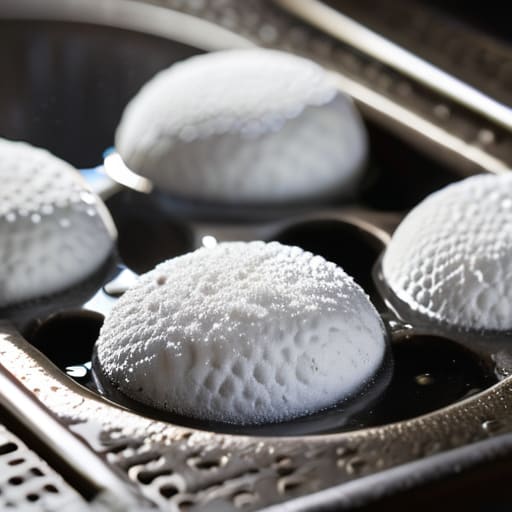
If the standard plunge doesn’t do the trick, don’t immediately reach for those caustic, store-bought liquids. I’ve seen enough corroded pipes in my time to know that the debate of natural drain cleaners vs chemical solutions isn’t just about being eco-friendly; it’s about protecting your plumbing. If you’re feeling brave, try the baking soda and vinegar drain method first. It’s a classic for a reason—it creates enough fizz to nudge debris loose without eating through your metal fixtures.
If you’re still staring at standing water, it’s time to get your hands a little dirty. Most stubborn clogs aren’t actually deep in the walls; they’re sitting right in the U-shaped bend under your sink. Cleaning a P-trap is a fundamental skill every homeowner should have in their mental toolkit. Just place a bucket underneath, unscrew the slip nuts, and clear out the sludge. It’s messy, yes, but it’s far more effective than guessing where the blockage is. Once you’ve cleared it, grab a mesh strainer to start preventing hair buildup in drains before it becomes a problem again. Let’s fix it once and do it right.
Natural Drain Cleaners vs Chemical Solutions Choosing What Actually Works
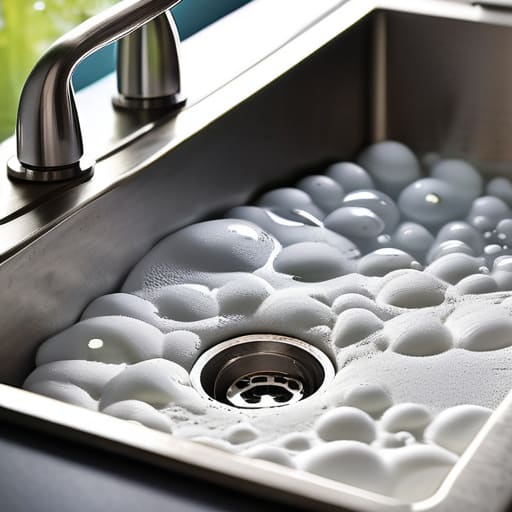
Look, I get the temptation to just pour a bottle of caustic liquid down the sink and call it a day. It feels efficient, like a quick software patch, but in reality, you’re often just melting your pipes or creating a toxic sludge that makes the actual fix much harder later. When comparing natural drain cleaners vs chemical options, I always lean toward the former. If the blockage isn’t a total disaster, the classic baking soda and vinegar drain method is my go-to. It’s not magic, and it won’t dissolve a literal brick, but for minor grease or soap scum buildup, it’s a low-risk way to get things moving without compromising your plumbing.
If the “volcano” method fails, don’t reach for the heavy acids; reach for the hardware. If you’ve already tried basic plunger techniques for sinks and nothing happened, it’s time to get mechanical. This is where cleaning a P-trap becomes your best friend. It’s a bit of a mess—keep a bucket handy—but physically removing the obstruction is the only way to ensure the problem is actually gone. I’d much rather spend ten minutes with a wrench than an hour dealing with chemical fumes and damaged seals. Focus on the mechanical fix; it’s more reliable every single time.
Mastering Plunger Techniques for Sinks and Using a Drain Snake Tool
If you’ve already tried the baking soda and vinegar route and you’re still staring at a pool of stagnant water, it’s time to get your hands a little dirty. Most people grab a plunger and start pumping aimlessly, but that’s a recipe for a mess. For sinks, you need to focus on creating a vacuum. If you’re working on a double sink, plug the other drain with a wet rag to ensure the pressure actually goes toward the clog rather than escaping out the other side. Mastering specific plunger techniques for sinks means more about the seal and the steady, forceful rhythm than just raw strength.
When the plunger fails, don’t panic; it just means the obstruction is deeper in the plumbing. This is where using a drain snake tool becomes your best friend. I always keep a manual hand snake in my utility drawer because, unlike the fancy electric versions, it’s reliable and won’t blow a fuse. Feed the cable into the drain until you feel resistance, then rotate it to “grab” the clog. If that still doesn’t do the trick, you might need to get under the sink and commit to cleaning a P-trap manually. It’s a bit of a chore, but it’s the only way to be certain the problem is actually gone.
Practical Maintenance Cleaning a P Trap and Preventing Hair Buildup
If you’ve already tried the plunger and a snake without much luck, it’s time to get your hands a little dirty. Most slow drains aren’t caused by a mystery deep in the pipes; they are caused by the sludge sitting right in your P-trap. This U-shaped piece of pipe is designed to hold water to block sewer gases, but it also acts as a perfect trap for hair, soap scum, and toothpaste. Grab a bucket to catch the standing water, unscrew the slip nuts by hand (or with a wrench if they’re being stubborn), and clear out the gunk. Cleaning a P-trap is a messy, five-minute job that saves you from a much larger headache down the road.
Once you’ve cleared the immediate blockage, let’s talk about staying ahead of the curve. I’m a big believer in systems, and that includes bathroom maintenance. The easiest way to avoid a crisis is preventing hair buildup in drains before it even starts. I keep a small, mesh hair catcher in my shower—it’s not glamorous, but it’s functional. If you want to keep things fresh between deep cleans, a simple monthly flush of hot water can help melt away residual soap. Don’t wait for the water to start pooling; by then, you’re already troubleshooting instead of living.
Five Ways to Keep Your Drains from Becoming a Project
- Stop the cycle before it starts by installing a high-quality mesh strainer; it’s a ten-second fix that prevents the hair and debris from ever reaching the pipes.
- Once a month, pour a kettle of boiling water down the drain to melt away any lingering soap scum or grease buildup before it hardens into a real problem.
- If you have a kitchen sink, skip the fancy “deodorizing” products and just flush it with a simple baking soda and vinegar combo—it’s cheap, effective, and won’t corrode your plumbing.
- Learn to recognize the warning signs, like slow drainage or gurgling sounds, and address them immediately rather than waiting for a total backup to force your hand.
- Keep a dedicated “drain kit” in your utility closet—plunger, snake, and gloves—so you aren’t scrambling through junk drawers when something inevitably goes wrong.
Getting Back to Your Routine
At the end of the day, unclogging a drain isn’t about mastering some complex plumbing feat; it’s about having the right tools and the patience to use them. Whether you opted for a gentle baking soda rinse, a heavy-duty plunger session, or actually got your hands dirty cleaning out the P-trap, the goal was the same: removing the obstacle so your home functions like it’s supposed to. Remember, those harsh chemical cleaners are usually a band-aid solution that can cause more headaches down the line. Stick to the mechanical fixes and the preventative habits we discussed, and you’ll find yourself spending much less time staring at standing water and much more time actually using your kitchen.
We spend so much of our lives reacting to things that break, feeling like we’re constantly playing catch-up with our own households. But there is a quiet kind of satisfaction in knowing you can handle a minor crisis without calling in a professional or losing your cool. Once that water is flowing freely again, don’t let the stress of the clog linger. Take a breath, tidy up your workspace, and get back to living your life. You’ve handled the troubleshooting; now it’s time to enjoy the peace of a home that actually works.
Frequently Asked Questions
When should I stop trying to DIY this and actually call a professional plumber?
Look, I’m all for a DIY fix, but knowing when to fold is part of being efficient. If you’ve gone through the P-trap, tried the snake, and the water is still sitting there like a stagnant pond, stop. If you smell raw sewage or see water backing up into the shower when you flush the toilet, that’s a main line issue. Don’t risk a flooded kitchen trying to be a hero; call a professional.
Will using a drain snake damage my pipes if I'm not careful?
Look, I’ve seen enough DIY disasters to know that a drain snake isn’t a toy. If you’re working with old, corroded metal pipes, you have to be incredibly gentle; forcing a steel cable through aged joints is a quick way to end up with a flood in your kitchen. If you’re on modern PVC, you’ve got more wiggle room, but still—don’t force it. Feel the resistance, don’t fight it, and stop before you puncture something.
Is it safe to use a plunger if I've already poured chemical cleaners down the sink?
Absolutely not. Do not touch that plunger. If you’ve already poured caustic chemicals down there, you’re essentially creating a splash zone for acid. One wrong move or a sudden burst of pressure and you’ll end up with a face full of something that can cause permanent burns. If the chemicals didn’t work, the clog is too stubborn for a DIY fix. Flush it with plenty of water first, or better yet, call a professional.
How often should I actually be cleaning my P-traps to prevent these headaches in the first place?
Look, I’m not a fan of over-engineering systems, and your plumbing shouldn’t be one of them. You don’t need a monthly schedule. Instead, aim for a deep clean of the P-trap once or twice a year—ideally before you head out for a long vacation. Otherwise, just make it a habit to run a gallon of boiling water down the drain once a month. It’s a small, functional preventative measure that keeps the big headaches at bay.