I’m so tired of seeing those aesthetic, color-coded meal prep videos where someone spends six hours on a Sunday vacuum-sealing organic kale into tiny glass containers. Honestly, if your system requires that much upkeep, it isn’t a system; it’s a second job. Most advice on how to meal plan assumes you have an infinite supply of energy and a kitchen that stays spotless, but real life is usually much messier than a Pinterest board. I’ve spent enough years pivoting between corporate deadlines and a chaotic household to know that if a plan isn’t resilient enough to survive a bad day, it’s completely useless.
I’m not here to sell you on a lifestyle overhaul or a pantry full of expensive gadgets. Instead, I want to show you how to build a functional framework that actually holds up when you’re exhausted and the Wi-Fi is acting up. We’re going to focus on repeatable, low-friction habits—the kind that save you from the 6:00 PM panic without turning your entire weekend into a production studio. Let’s get practical and figure out how to make feeding yourself feel less like a troubleshooting session and more like a solved problem.
Ditch the Daily Dinner Panic a Real Way to Meal Plan
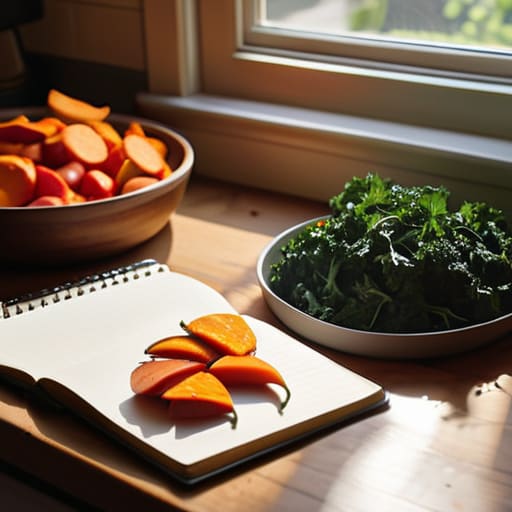
Most people approach meal planning like they’re trying to debug a complex piece of legacy software—they overcomplicate the architecture until the whole system crashes by Tuesday. You sit down on Sunday with grand ambitions of five-star recipes and perfectly balanced macros, only to realize you haven’t actually checked your pantry or accounted for the fact that you have a late meeting on Wednesday. That’s where the failure happens. Instead of aiming for perfection, I focus on batch cooking strategies that build a foundation rather than a rigid, fragile schedule.
The goal isn’t to become a professional chef; it’s to reduce the number of decisions you have to make when you’re exhausted. I like to pick three or four reliable “anchor” meals—dishes that are forgiving, even if you leave them in the oven five minutes too long. Once you have those anchors, you can implement some basic grocery list organization to ensure you aren’t wandering the aisles aimlessly. If you stop treating dinner like a daily crisis and start treating it like a simple logistics problem, you’ll find you actually have the mental bandwidth to enjoy your evening. It’s about functional preparation, not culinary performance.
Stop Overcomplicating Things With Simple Meal Prep for Beginners
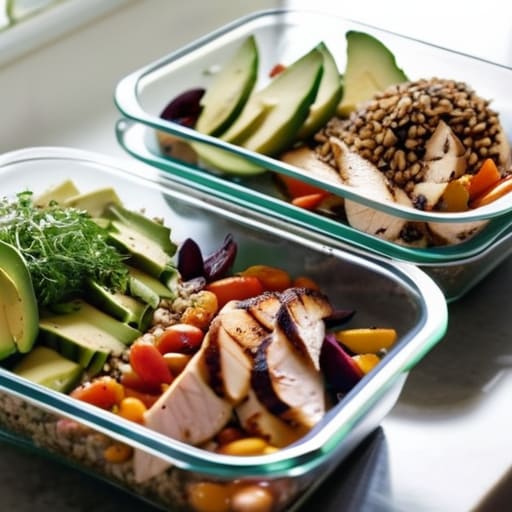
Most people approach meal prep like they’re prepping for a marathon or a high-stakes corporate audit, thinking they need thirty different Tupperware containers and a culinary degree. That’s a recipe for burnout, not efficiency. If you’re looking into meal prep for beginners, my advice is to stop trying to prep every single morsel of food for the entire week. Instead, focus on “component prepping.” Roast a large tray of vegetables, cook a big batch of a versatile grain like quinoa or farro, and prep one or two proteins. This gives you the building blocks to assemble different meals in minutes rather than being locked into the same flavor profile for five days straight.
The goal here is to reduce the number of decisions you have to make when you’re hungry and tired. I’ve found that the most effective batch cooking strategies involve making things that actually improve with a little time in the fridge—think hearty stews, marinated proteins, or roasted root vegetables. Don’t aim for perfection; aim for functional variety. If you have the components ready, you can pivot from a grain bowl to a quick wrap without needing to consult a recipe or start from scratch. It’s about building a system that supports your life, rather than a chore that demands more of it.
Mastering Grocery List Organization Without the Mental Load
The biggest mistake I see people make is treating their grocery list like a random dumping ground for every ingredient they might need. You end up wandering through the aisles like a lost tourist, second-guessing whether you actually have garlic in the pantry or if you’re just hallucinating it. To fix this, you need to stop writing lists by “item” and start writing them by store layout. Group your list by department—produce, dairy, dry goods, frozen—so you aren’t zig-zagging back and forth across the store. It sounds trivial, but it’s the difference between a twenty-minute efficient trip and an hour-long slog that leaves you feeling drained before you even get home.
If you want to lean into true grocery list organization, try the “template method.” Instead of starting from scratch every Sunday, keep a running digital list or a dedicated page in my physical notebook for the staples you buy every single week. When you combine this with batch cooking strategies, you aren’t just buying food; you’re buying components. If you know you’re making a big batch of roasted vegetables on Monday, your list should reflect the bulk quantities you need upfront. This reduces the mental load of decision-making and ensures you aren’t making three separate trips for things you could have grabbed all at once.
Budget Friendly Meal Planning for Real Life Not Instagram
If you’ve ever scrolled through social media and felt like you needed a second mortgage just to afford a week of “aesthetic” organic salmon bowls, let’s clear the air: that isn’t real life. Most of those influencers are working with a budget that doesn’t account for rising inflation or the reality of a Tuesday afternoon meltdown. Real budget friendly meal planning isn’t about chasing superfoods; it’s about knowing your pantry and leaning into what actually fills people up without draining your bank account.
I’ve found that the most efficient way to keep costs down is to stop treating every meal like a new project. Instead, I lean heavily on batch cooking strategies—making a massive pot of chili or a tray of roasted vegetables on a Sunday that can be repurposed three different ways throughout the week. It’s much cheaper to buy a bulk bag of lentils or rice and transform them than it is to buy pre-packaged, “convenient” meals that are mostly air and marketing. Focus on versatile staples, shop your own cupboards before you head to the store, and remember: if it keeps you fed and doesn’t break the bank, it’s a win.
Functional Healthy Meal Prep Ideas That Actually Taste Good
The biggest mistake I see people make is thinking that healthy meal prep means eating unseasoned steamed broccoli and dry chicken breasts out of plastic containers for five days straight. That’s not a plan; that’s a slow descent into madness. If you want your healthy meal prep ideas to actually stick, you have to prioritize flavor and texture. I don’t do “sad desk salads.” Instead, I lean into batch cooking strategies that allow for modularity. Think roasted Mediterranean vegetables, a large pot of seasoned quinoa, and a tray of lemon-herb roasted chicken. You aren’t making one specific dish; you’re building a toolkit of components that you can mix and match throughout the week.
This approach also prevents the inevitable “flavor fatigue” that kills most attempts at meal prep for beginners. On Monday, you might have a grain bowl with feta and olives; by Wednesday, you can toss those same roasted veggies and chicken into a quick wrap or a warm pita. By focusing on versatile building blocks rather than rigid, single-use recipes, you reduce the mental load of deciding what to eat while ensuring you aren’t wasting food. It’s about creating a system that is resilient enough to handle a busy Tuesday without requiring a culinary degree.
Batch Cooking Strategies to Reclaim Your Evening Freedom
Batch cooking isn’t about spending your entire Sunday hunched over a kitchen island like a line cook in a frantic bistro. That’s a recipe for burnout, not efficiency. Instead, think of it as building a modular pantry of prepared components. I’m talking about roasting two trays of seasonal vegetables, simmering a massive pot of grains, and prepping a versatile protein—like pulled chicken or seasoned lentils—all in one go. When you have these building blocks ready, you aren’t “cooking” on a Tuesday night; you’re simply assembling. It turns a high-stress decision-making process into a simple, five-minute assembly job.
The secret to successful batch cooking strategies is avoiding the “single-dish trap.” If you cook five identical containers of chicken, broccoli, and rice, you’ll be sick of it by Wednesday. Instead, use those components differently. Those grains become a base for a Mediterranean bowl one night, and a quick stir-fry the next. This approach integrates perfectly with weekly food preparation tips that prioritize flexibility over rigid menus. By focusing on versatile ingredients rather than complex recipes, you reduce the mental load and ensure that your hard work actually translates into genuine evening freedom rather than just more Tupperware to clean.
Weekly Food Preparation Tips for When Life Gets Messy
Look, we all have those weeks where the schedule collapses, the kids get sick, or a work crisis lands on your desk at 4:00 PM. When that happens, your meticulously curated meal plan is usually the first thing to go out the window. The mistake most people make is thinking they have to stick to the plan perfectly or fail entirely. I don’t have time for that kind of all-or-nothing thinking. Instead of trying to execute a five-course masterpiece when you’re running on fumes, pivot to a low-effort backup system. This means having a few “emergency” meals—think frozen high-quality veggies and a rotisserie chicken—that require zero brainpower but still keep you from ordering expensive, greasy takeout.
The key to surviving the chaos is integrating small, incremental steps into your routine rather than waiting for a massive block of free time. If you can’t spend three hours on a Sunday doing heavy lifting, just spend ten minutes chopping an onion or washing some greens while your coffee brews. These tiny wins are part of my favorite weekly food preparation tips because they reduce the friction of cooking later. It’s about building a buffer of readiness so that when life inevitably gets messy, you aren’t starting from zero.
Building Habits That Work When the Kitchen Is Chaos
The problem with most advice is that it assumes your life is a controlled environment. It assumes you have a pristine pantry, a silent house, and the mental bandwidth of a Zen monk. But real life is messy. There are spilled milk incidents, late meetings, and kids who suddenly decide they hate everything you’ve ever cooked. If your system relies on perfection, it’s going to fail the moment things get loud.
Instead of trying to build a rigid schedule, focus on building low-friction defaults. This means having a “fallback” meal—something that requires zero thought and minimal cleanup—ready to go when the chaos hits. Maybe it’s a specific type of grain bowl or a simple protein and veg combo. When you integrate these small, reliable safety nets into your routine, you aren’t just following a plan; you’re building resilience.
Don’t view your efforts as a grand weekly overhaul. Treat it like a series of small, repeatable systems. Even if you only manage a tiny bit of batch cooking strategies on a Tuesday night, that’s a win. The goal isn’t to become a culinary expert; it’s to ensure that when the kitchen feels like a disaster zone, you aren’t forced into the expensive, unhealthy trap of emergency takeout.
Five No-Nonsense Rules for a Functional Kitchen
- Build a “Reliable Rotation” of meals. Stop trying to invent new recipes every Tuesday. Pick five meals your family actually eats and that don’t require a culinary degree to execute, then rotate them. It’s not boring; it’s efficient.
- Shop your pantry before you shop the store. I’ve seen too many people buy a second jar of cumin when they already have three hiding in the back of the cupboard. Look at what you actually have, build a meal around it, and only buy the missing links.
- Plan for the “Low-Battery” nights. Your plan shouldn’t assume you’ll have the energy to sauté vegetables every single night. Always have a “emergency” meal—like high-quality frozen pierogies or a rotisserie chicken—for those days when the system breaks down.
- Use a single source of truth. Whether it’s a physical notebook or a simple shared note on your phone, stop having meal ideas scattered across sticky notes, scraps of paper, and mental checklists. If it isn’t written down in one place, it doesn’t exist.
- Don’t aim for perfection, aim for utility. If your meal plan says “Grilled Salmon” but you end up eating breakfast for dinner because the kids had a meltdown, that’s fine. A plan is a tool to guide you, not a rigid contract you’re required to sign.
Getting Back to Living
Look, we’ve covered a lot of ground, from ditching the daily dinner panic to mastering grocery lists that don’t require a PhD to navigate. The goal here wasn’t to turn you into a professional chef or a meal-prep influencer with a perfectly curated pantry. It was about building a system that survives the reality of a Tuesday night when the kids are cranky and your brain is fried. Whether you’re batch-cooking to reclaim your evenings or just picking three reliable meals to get through the week, the objective remains the same: reduce the mental load. Stop treating your kitchen like a high-stakes troubleshooting session and start treating it like a functional workspace that serves you, rather than the other way around.
At the end of the day, meal planning isn’t about perfection; it’s about predictability. It’s about knowing that even when life gets messy and the Wi-Fi goes down, you aren’t going to end up staring blankly into a half-empty fridge at 6:00 PM. You don’t need more complicated apps or expensive gadgets to make this work—you just need a few repeatable habits that stick. Use these tools to clear the clutter from your schedule so you can finally stop managing your food and start actually enjoying your life. Now, go close the laptop and go do something that has nothing to do with a kitchen.
Frequently Asked Questions
What do I do when my carefully planned meals get derailed by a late meeting or an unexpected kid emergency?
When the plan falls apart—and it will—stop treating it like a system failure. It’s just a pivot. Don’t try to force the original recipe when you’re running on fumes. Keep a “Level 1” backup list: frozen dumplings, breakfast for dinner, or even just high-quality canned soup. The goal isn’t perfection; it’s preventing a takeout binge. Eat the backup, reset the system tomorrow, and move on. Life happens; don’t let it break your rhythm.
How much time should I actually be spending on this every week without it becoming another chore on my list?
If you’re spending more than 60 to 90 minutes a week on this, you’ve turned a tool into a task, and that’s a failure of the system. I aim for one focused hour on a Sunday to map out the week and a quick shop. If it starts feeling like a second job, scale back. The goal isn’t culinary perfection; it’s reducing decision fatigue so you can actually sit down and eat.
Is it better to prep entire meals in advance or just chop and portion the ingredients to use as I go?
It depends on your tolerance for “leftover fatigue.” If you have a high-stress week ahead, prep entire meals—grab-and-go is a lifesaver when the Wi-Fi is down and your brain is fried. But if you hate eating the same thing three days in a row, just chop and portion your ingredients. It reduces the friction of cooking without locking you into a rigid menu. Personally? I prep components. It’s more flexible when life gets messy.
How do I stop buying the same five ingredients every single week and actually keep things interesting?
The problem isn’t your lack of creativity; it’s your reliance on “safety ingredients.” You buy them because they’re predictable, but predictability is just another word for a rut. Instead of a total pantry overhaul, try the “plus-one” rule. Pick one staple you already use—like chicken or pasta—and commit to buying exactly one new spice, sauce, or seasonal vegetable to pair with it. It keeps the mental load low while breaking the cycle.