I am so tired of seeing those “aesthetic” meal prep videos where people spend six hours on a Sunday color-coding plastic containers filled with nothing but steamed broccoli and unseasoned chicken breasts. It looks great on a grid, but it’s a recipe for burnout, not a sustainable lifestyle. If your version of make ahead meals involves a mountain of dishes and a sense of profound culinary resentment by Tuesday, you aren’t “optimizing” anything—you’re just creating a new chore. Real life is messy, and your food prep shouldn’t feel like a second job that requires a spreadsheet to survive.
I’m not here to sell you on a lifestyle overhaul or a dozen expensive glass jars. Instead, I want to share the functional systems I’ve actually used to keep my kitchen from becoming a disaster zone during my busiest consulting weeks. We’re going to focus on low-effort, high-reward strategies that prioritize flavor and, more importantly, minimal cleanup. I’ll show you how to build a rotation of meals that actually taste good on Thursday, so you can stop troubleshooting your dinner and start actually eating.
Stop Troubleshooting Your Dinner the Case for Make Ahead Meals
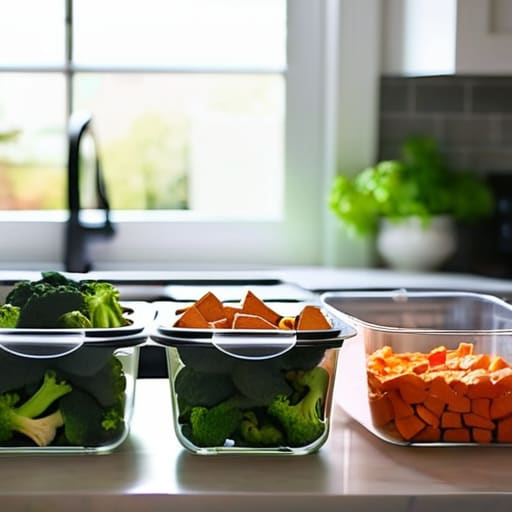
We spend so much of our mental bandwidth trying to “solve” the evening meal like it’s a critical system failure. You get home, the brain fog has set in, and suddenly you’re standing in front of an open fridge, performing a frantic audit of half-empty condiments and a wilting bag of spinach. This isn’t a nutrition problem; it’s an operational failure. When you’re forced to make decisions while exhausted, you almost always choose the path of least resistance—usually something expensive, processed, and ultimately unsatisfying.
The goal isn’t to become a Pinterest-perfect chef who spends every Sunday in a flour-dusted apron. That’s a recipe for burnout, not balance. Instead, think of it as building a buffer. By utilizing budget friendly batch cooking, you’re essentially pre-loading your week with successful outcomes. You aren’t just making food; you’re removing the decision fatigue that drains your battery by 6 PM.
Once you have a few solid recipes in your rotation, the process becomes about infrastructure rather than inspiration. It’s about having the right meal prep containers for freezing tucked away so that when life inevitably gets messy, you can just grab a container, heat it up, and actually sit down to eat. We need systems that work when we don’t have the energy to be the system.
Weekly Meal Planning Tips That Actually Stick to Reality
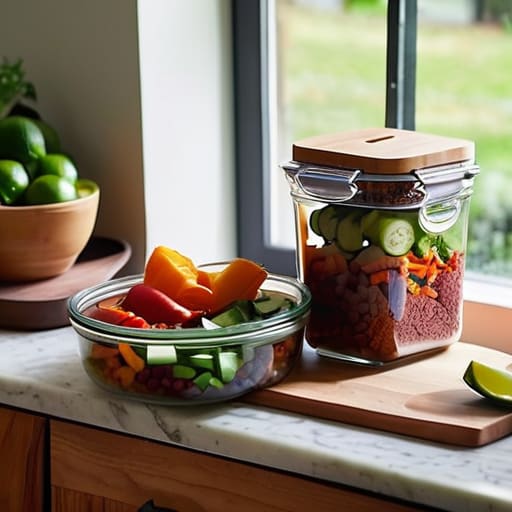
The biggest mistake I see people make is treating a meal plan like a rigid contract. You sit down on Sunday, write a beautiful list of gourmet recipes, and then Monday happens—work runs late, the kids are cranky, and suddenly that risotto feels like an impossible mountain to climb. If you want weekly meal planning tips that actually survive contact with reality, you have to build in a buffer. Instead of planning seven unique dinners, plan for three “anchor” meals that can be scaled up. If you make a massive batch of chili or a tray of roasted vegetables, you aren’t just cooking once; you’re creating components that can be repurposed into different dishes throughout the week.
Efficiency is also about the tools you use, not just the recipes you pick. I’m a firm believer in investing in decent meal prep containers for freezing rather than relying on flimsy plastic that warps the second it hits the microwave. If you can’t store it properly, you won’t eat it. I keep a stash of glass containers ready so I can portion out extra servings immediately. It’s much easier to grab a pre-portioned container from the freezer than it is to face a sink full of dishes when you’re already running on fumes. Systematize the storage, and the eating becomes easy.
Budget Friendly Batch Cooking to Save Your Sanity and Wallet
Let’s be honest: most “budget” recipes online involve expensive organic microgreens and specialty spices that sit in your pantry for three years before you remember they exist. If you want to actually see the savings, you need to lean into the staples. I’m talking about the heavy lifters—dried lentils, bulk rice, seasonal root vegetables, and whatever protein is on sale that week. Budget friendly batch cooking isn’t about being a gourmet chef; it’s about buying in volume and building components that can be repurposed. A massive pot of seasoned black beans can become a taco filling on Tuesday and a base for a hearty grain bowl on Thursday.
The real trick to making this sustainable is investing in a few decent meal prep containers for freezing. Don’t bother with those flimsy, single-use plastic tubs that warp the second they touch heat; they’ll drive you crazy. Get glass or high-quality BPA-free containers that actually seal. When you’ve got a solid system of portioning and freezing, you’re essentially building your own personal emergency fund of nutrition. It stops that mid-week impulse to order expensive, mediocre takeout just because you’re too tired to face a pile of dishes.
Healthy Meal Prep Ideas for When Youre Running on Empty
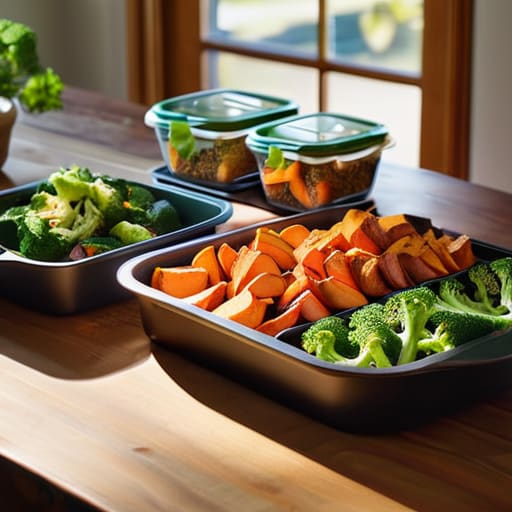
When you’re running on empty, the last thing you want to do is follow a complex, thirty-step recipe that requires every spice in your cabinet. Realistically, you need healthy meal prep ideas that rely on assembly rather than intense labor. I’m a big proponent of the “component method”: instead of making a finished lasagna, just roast two trays of seasonal vegetables, cook a large batch of quinoa, and grill some chicken or chickpeas. When Tuesday hits and you’re staring blankly at the fridge, you aren’t “cooking”—you’re just putting things in a bowl. It’s low-effort, high-reward, and prevents that 7 PM spiral into takeout menus.
If you’re feeling particularly depleted, lean into your freezer. This is where having the right meal prep containers for freezing becomes a game changer. I always keep a stash of “emergency” grain bowls or hearty lentil soups tucked away. The trick is to portion them out before you freeze them; nobody has the mental bandwidth to defrost a giant, monolithic block of stew when they’re exhausted. If you do this, you’re just reheating a meal rather than managing a kitchen crisis. It’s about building a buffer between your schedule and your hunger.
The Right Meal Prep Containers for Freezing Without the Mess
Look, there is nothing quite as demoralizing as pulling a container out of the freezer only to realize it’s a solid, unmovable block of ice that’s fused to the lid. If you’re serious about budget friendly batch cooking, you cannot afford to waste money on cheap, flimsy plastic that cracks the moment it hits sub-zero temperatures. I’ve spent enough time troubleshooting ruined leftovers to know that the vessel is just as important as the recipe. I swear by heavy-duty, BPA-free glass containers with snap-locking lids. They don’t retain smells, they don’t stain from that spicy tomato sauce, and—most importantly—they transition from the freezer to the oven or microwave without a structural meltdown.
If glass feels too heavy for your lifestyle, invest in high-quality silicone bags or specialized meal prep containers for freezing that allow for air expulsion. Getting the air out is the secret to preventing freezer burn, which is the fastest way to turn a nutritious meal into a cardboard-tasting disappointment. Once you have a system of uniform, stackable containers, your freezer stops being a “black hole of mystery Tupperware” and starts acting like a functional extension of your pantry. It’s about creating a predictable, repeatable system so that when you’re exhausted on a Tuesday, you aren’t hunting for a lid that actually fits.
Time Saving Cooking Hacks for a Functional Kitchen
Look, I’m not a fan of “kitchen gadgets” that just take up drawer space and gather dust. If you want to actually shave time off your evening routine, you need to focus on workflow, not more hardware. One of my favorite time saving cooking hacks is the “double-duty” method: whenever you’re chopping vegetables or mincing garlic, do twice as much as the recipe calls for. Store the extra in a small airtight container in the fridge. It feels like a minor task in the moment, but it’s the difference between a seamless Tuesday night and a frantic scramble through a knife block when you’re already tired.
Another way to optimize is to treat your oven like a production line rather than a single-task tool. If you’re roasting chicken, roast two trays of root vegetables at the same time on the rack below. This is a core part of budget friendly batch cooking because it minimizes the energy used and the cleanup required. While those are heating up, use that window to organize your meal prep containers for freezing. If you aren’t streamlining these small, repetitive movements, you’re just working harder to stay in the same place. Focus on the systems, and the time will follow.
Reheating Frozen Meals Safely So They Actually Taste Good
There is nothing quite as soul-crushing as looking forward to a meal you spent three hours prepping, only to have it emerge from the microwave as a lukewarm, rubbery disaster. If you’ve invested time in budget friendly batch cooking, the last thing you want is to waste that effort by ruining the texture. The secret isn’t a fancy gadget; it’s about managing moisture. When you’re reheating frozen meals safely, avoid the temptation to just blast them on high heat. This usually results in edges that are scorched while the center remains an icy block. Instead, if you have the luxury of time, move your portion to the fridge the night before. If you’re in a rush, use a lower power setting on your microwave to let the heat penetrate evenly.
For those of us using glass meal prep containers for freezing, you have a slight advantage in heat distribution, but you still need to be smart. If you’re reheating something with a sauce—like a stew or a curry—add a tiny splash of water or broth before heating. This creates a bit of steam, preventing that dreaded “reheated” taste. If you’re dealing with something crispy, like roasted vegetables, skip the microwave entirely and use a toaster oven. It takes an extra five minutes, but it’s a small price to pay to avoid eating mush.
Ditch the Life Hacks and Build Systems That Work
The problem with most “life hack” content is that it promises a magic bullet that doesn’t exist. You don’t need a specialized gadget or a thirty-step ritual to fix your chaotic evenings; you need a repeatable workflow. I’ve spent enough time in operations to know that a “hack” is just a temporary patch, whereas a system is something that actually holds up under pressure. If your approach to food relies on sheer willpower or a sudden burst of inspiration on a Sunday afternoon, you’re setting yourself up for failure.
Instead of chasing trends, focus on standardizing your basics. This means moving away from complex, gourmet recipes and toward a predictable rotation of meals. When you integrate budget friendly batch cooking into your regular routine, you aren’t just saving money; you’re reducing the number of decisions you have to make when your brain is fried at 6 PM. Stop looking for the “perfect” recipe and start building a library of reliable, go-to options. Once you have a framework—like a set day for chopping or a specific shelf in the freezer dedicated to prepared portions—the friction disappears. That’s when you stop troubleshooting your life and actually start living it.
Five Practical Rules for a Meal System That Won't Crash
- Don’t cook everything on Sunday. If you spend six hours in the kitchen on a Sunday, you’ll burn out by Tuesday. Instead, pick two “anchor” meals—something like a big batch of chili or a roasted vegetable tray—and build your week around those.
- Embrace the “Component Method” over the “Full Meal” trap. Instead of portioning out identical Tupperware containers like a robot, prep individual components: a jar of pickled onions, a big batch of grains, and some roasted protein. It’s much easier to assemble a fresh-feeling bowl on a Wednesday than it is to reheat a soggy, pre-made salad.
- Label everything with a permanent marker. I don’t care how organized you think you are; three weeks from now, you won’t remember if that frozen block is bolognese or just very thick tomato sauce. Write the date and the contents. It takes five seconds and prevents a lot of wasted food.
- Cook for the freezer, not just the fridge. The fridge is for what you’re eating in the next 48 hours. Anything beyond that should be heading straight into the freezer. If you leave meal-prepped food in the fridge for five days, you’re just setting yourself up for a food poisoning headache or a trip to the bin.
- Keep your “Emergency Backup” list short. Even the best systems fail. Always have two or three non-prep items in the pantry—think high-quality canned beans, pasta, and a jar of pesto—that can become a meal in under ten minutes when your carefully planned system inevitably hits a snag.
The Bottom Line
At the end of the day, meal prepping isn’t about achieving some aesthetic, Pinterest-perfect fridge full of identical glass containers. It’s about the systems we’ve discussed: choosing the right gear, planning for your actual budget, and understanding that a little bit of batch cooking on a Sunday can prevent a total meltdown on a Tuesday. Whether you’re focusing on healthy options for low-energy days or just trying to make sure your frozen meals don’t taste like cardboard, the goal is the same. We are moving away from frantic, last-minute decision-making and toward a functional kitchen routine that actually serves your life instead of adding another chore to your to-do list.
Stop waiting for the perfect moment when you suddenly have four hours of uninterrupted energy and a pristine pantry. That moment isn’t coming, and frankly, you don’t need it. Start small—maybe just one extra batch of grains or a single sauce that can transform a boring protein. Build your systems one piece at a time, and eventually, you’ll realize you aren’t just feeding yourself; you’re reclaiming your evening sanity. Life is far too unpredictable to spend it all staring at an empty fridge, wondering what on earth you’re going to eat. Get the prep done, clear the counters, and get back to living.
Frequently Asked Questions
How do I prevent my prepped meals from turning into a mushy, unappetizing mess after a few days in the fridge?
The “mush factor” usually happens because you’re treating everything like a stew. If you prep pasta, undercook it slightly so it finishes in the sauce later. Keep your dressings and wet ingredients in separate small containers—never toss them in ahead of time. And for heaven’s sake, let your hot food cool completely before sealing the lid. Trapping steam in a container is just a fast track to soggy, sad leftovers.
Is it actually safer to freeze everything immediately, or should I let things cool down first?
Don’t go shoving a steaming pot of chili straight into the freezer. You’ll spike the internal temperature of the freezer, potentially thawing the stuff around it, and that’s how you end up with a science experiment in the back corner. Let your food cool on the counter for about 30 to 60 minutes—just don’t leave it out all night. Once it’s room temp, get it in the containers and into the cold. Simple.
How many days can I realistically keep these meals in the fridge before I'm basically eating leftovers from a different era?
Look, let’s be realistic: the “four-day rule” is your golden standard. If you’ve prepped on Sunday, by Thursday you’re entering the danger zone. I’ve seen too many people try to stretch leftovers into day six, only to end up with something that tastes like a science experiment. If you aren’t going to eat it by day four, freeze it. Don’t gamble with your digestion just to avoid defrosting something.
What’s the best way to organize my freezer so I’m not digging through a mountain of plastic containers every Tuesday night?
Stop treating your freezer like a junk drawer. If you’re digging through a mountain of plastic, your system has already failed. Start by grouping by category—proteins in one zone, prepped veg in another—and use clear, stackable bins. Most importantly: label everything with a permanent marker and the date. If you can’t see it or read it in three seconds, you’re just creating more work for your future, exhausted self.