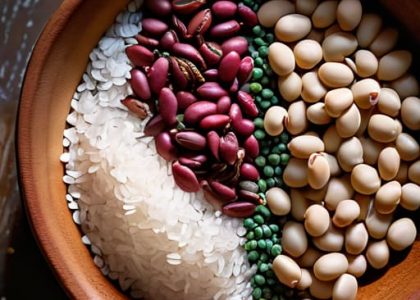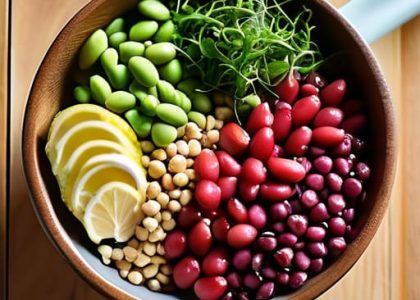

I’m tired of seeing “wellness influencers” treat dinner like a high-stakes chemistry experiment involving expensive superfoods and color-coded meal prep containers that cost more than my first synthesizer. If you’re looking for a twenty-step ritual involving activated charcoal and organic microgreens just to learn how to build a balanced meal, you’re in the wrong place. Honestly, the sheer amount of noise surrounding nutrition makes it feel like a constant troubleshooting session, when all we really need is a system that doesn’t collapse the moment you have a deadline or a broken dishwasher.
I’m not here to sell you a lifestyle or a complicated macro-counting app; I’m here to give you a functional framework. I want to show you how to assemble a plate that actually fuels you using what’s already in your pantry, so you can stop obsessing over every calorie and start enjoying your evening. We’re going to strip away the fluff and focus on a few reliable building blocks that work in the real world—even when you’re exhausted and the Wi-Fi is down.
Stop Troubleshooting Your Plate How to Build a Balanced Meal
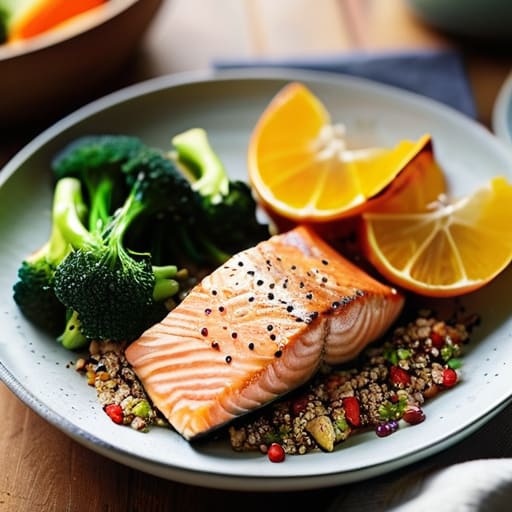
Look, I don’t have the bandwidth for a spreadsheet-style macronutrient distribution guide every time I open the fridge. When I was working in IT, we talked about systems that were resilient to failure; your dinner should be the same. If you’re staring at a pile of random ingredients, don’t panic. You don’t need a culinary degree or a kitchen full of specialized gadgets. You just need a reliable framework that keeps you from crashing by 3:00 PM the next day.
The most efficient way to approach this is to focus on a simple protein, vegetable, and carbohydrate ratio. Think of it like a basic logic gate: if you have the protein for satiety, the fiber from vegetables for digestion, and a smart amount of complex carbs for steady energy, the system works. It’s not about perfection; it’s about functional fueling.
Instead of getting lost in the weeds of calorie counting, I aim for healthy plate proportions that feel intuitive. Fill half your plate with greens or whatever veggies are actually in the crisper drawer, a quarter with a solid protein source, and the final quarter with something substantial like grains or starchy veg. It’s a low-maintenance way to ensure you’re getting actual nutritional density without turning your kitchen into a second job.
Forget Life Hacks Mastering the Protein Vegetable Carbohydrate Ratio
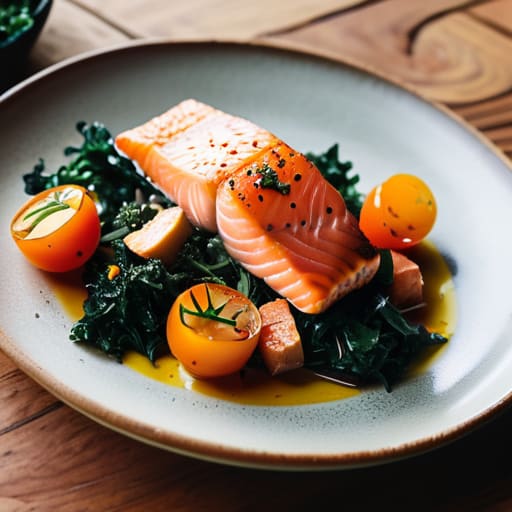
Look, I’m not interested in telling you to track every single calorie like you’re running a laboratory experiment. That’s a recipe for burnout, not health. Instead, I want you to focus on a simple protein vegetable carbohydrate ratio that you can eyeball without needing a digital scale or a complex app. Think of it as a framework rather than a set of rigid rules. When you get the proportions right, you stop feeling that mid-afternoon energy crash that usually sends you hunting for a bag of chips.
The goal here is to prioritize nutritional density over sheer volume. I usually aim for a plate where half the real estate is taken up by colorful, fibrous vegetables, a quarter is dedicated to a solid protein source, and the final quarter is for your complex carbs. This isn’t about strict portion control for healthy eating; it’s about creating a predictable pattern. If you can master this basic layout, you don’t need a complicated macronutrient distribution guide to tell you if you’re doing it right. You just look at your plate, see if the ratios look roughly correct, and move on with your day. It’s functional, it’s repeatable, and most importantly, it actually works when you’re too tired to think.
Nutritional Density Explained Eating for Fuel Not Just Fullness
Look, we’ve all been there: you eat a massive bowl of pasta or a stack of pancakes, and twenty minutes later, you’re staring at a wall, wondering where your motivation went. That’s the difference between eating for volume and eating for fuel. When we talk about nutritional density explained, we aren’t talking about counting every single calorie like it’s a math exam. We’re talking about the quality of the energy you’re putting into your system. If your plate is mostly empty calories, your body is going to spend the rest of the afternoon troubleshooting a blood sugar crash instead of actually getting things done.
I like to think of it like maintaining my vintage synths; you can’t just throw any old power supply at them and expect a clean signal. You need the right components. To avoid that mid-afternoon slump, you need to focus on healthy plate proportions that prioritize micronutrients—those vitamins and minerals that act as the actual “software” for your cells. It’s about making sure every bite serves a purpose. When you prioritize nutrient-dense foods, you aren’t just filling a void; you’re providing the stable, long-lasting energy required to actually navigate a real day without needing a nap by 3:00 PM.
Ditch the Math Simple Healthy Plate Proportions That Work
Look, I’m a consultant. My entire professional life is built on systems and data, but when I’m staring at a half-empty fridge at 6:30 PM on a Tuesday, the last thing I want to do is pull out a calculator. If you start trying to track every single gram of your macronutrient distribution guide, you’re going to burn out by Wednesday. That’s not a sustainable system; it’s just another chore on an already overflowing to-do list.
Instead of treating your dinner like a chemistry experiment, I use a visual shorthand that actually sticks. Forget the scales. Just look at your plate and aim for healthy plate proportions that require zero mental heavy lifting: half the plate is your colorful, fibrous vegetables; a quarter is your protein; and the final quarter is your complex carbohydrates. It’s a rough framework, not a law, but it provides enough guardrails to keep you on track without the headache.
This isn’t about perfection; it’s about functional eating. If you get the proportions roughly right, you’ve already won the battle. You don’t need to master complex portion control for healthy eating to feel better; you just need a reliable, repeatable way to fill your plate so you can stop overthinking and start eating.
A No Nonsense Macronutrient Distribution Guide for Real Life
Look, I’m not here to hand you a spreadsheet or a calorie-counting app that requires a PhD to navigate. If you’re looking for a rigid, soul-crushing diet plan, you’ve come to the wrong place. What I want to offer is a practical macronutrient distribution guide that actually survives a Tuesday afternoon when your inbox is exploding and the kids are screaming. We aren’t aiming for perfection; we’re aiming for functional stability.
Think of your plate like a well-tuned synthesizer: if one component is overpowering the others, the whole output is muddy. You want enough protein to keep your focus sharp, enough complex carbs to prevent that 3:00 PM crash, and enough fiber-rich vegetables to keep your digestion from becoming a secondary job. Instead of obsessing over grams, focus on the visual weight of what’s in front of you.
When I’m meal prepping for nutrition on a Sunday, I don’t weigh out every single blueberry. I simply ensure my containers have a solid foundation of protein and greens. This approach to portion control for healthy eating isn’t about restriction—it’s about creating a repeatable system so you don’t have to make a thousand tiny decisions every time you’re hungry.
Portion Control for Healthy Eating Without the Constant Stress
Look, I’m not a fan of those tiny, clinical measuring cups that make you feel like you’re back in a high school chemistry lab. If you’re spending your entire dinner staring at a digital scale, you aren’t eating; you’re auditing. Real portion control for healthy eating shouldn’t require a spreadsheet or a PhD. Instead of obsessing over grams, I rely on my hands. It’s a tactile, low-tech system that works whether you’re at your kitchen island or a loud restaurant. Your palm is your protein guide, your fist is your veggie metric, and your thumb handles the fats. It’s simple, it’s analog, and it actually sticks.
The goal isn’t deprivation; it’s about hitting those healthy plate proportions so your blood sugar doesn’t crash an hour after you finish. When we talk about meal prepping for nutrition, the mistake I see most often is overstuffing the container with one single component. If your container is 90% pasta, you’ve set yourself up for a mid-afternoon slump. Focus on the visual balance of your plate first. If the colors look a bit dull and the proportions look skewed, adjust. Once you master the visual cues, you can stop overthinking the math and actually start enjoying the food.
Practical Meal Prepping for Nutrition When Youre Short on Time
Look, I get it. The idea of spending your entire Sunday hovering over a stove for five hours sounds like a special kind of torture. I don’t do “elaborate” meal prep; I do functional prep. My goal isn’t to create twenty identical Tupperware containers of steamed broccoli and dry chicken. Instead, I focus on component prepping. I’ll roast two trays of seasonal vegetables, boil a batch of quinoa, and grill a few pounds of protein all at once. This way, I’m not following a rigid recipe; I’m just assembling high-quality building blocks that respect my protein vegetable carbohydrate ratio whenever I’m actually hungry.
The trick to making this sustainable is to stop viewing prep as a chore and start seeing it as system maintenance. When you have the components ready, you don’t have to rely on willpower when you’re exhausted at 7:00 PM. You can quickly scale your portions based on the healthy plate proportions we discussed earlier, rather than grabbing whatever frozen pizza is easiest. It’s about reducing the friction between being hungry and being nourished. If the ingredients are already washed, chopped, and cooked, the “decision fatigue” disappears, and you actually end up eating something that fuels you instead of just filling the void.
Functional Eating Get Back to Living Not Just Planning
At the end of the day, the goal isn’t to turn your kitchen into a secondary laboratory. If you spend three hours every Sunday meticulously weighing out grams of kale and quinoa, you aren’t “optimizing” your life—you’re just adding another item to your to-do list. True efficiency comes when you stop treating every meal like a high-stakes engineering project. Instead of obsessing over a complex macronutrient distribution guide, focus on building a mental framework that allows you to make a decent choice even when you’re staring blankly into a half-empty fridge at 7:00 PM.
The secret is to make the right decision the easiest one. When you have a basic grasp of healthy plate proportions, you don’t need to pull out a scale or a spreadsheet. You just need to look at your plate and see if the colors and textures are roughly in line with what your body needs to function. Once you move past the stage of constant calculation and into the stage of intuitive, functional eating, you actually reclaim your time. We eat to fuel our lives, not to serve our diets. Let’s get the food on the table and get back to the things that actually matter.
Five Low-Maintenance Rules for a Better Plate
- Build a “Modular” Pantry: Stop starting from scratch every Tuesday. Keep a stash of “plug-and-play” items—canned chickpeas, quinoa, frozen spinach, and jarred pesto—so you can assemble a balanced meal in ten minutes when the mental bandwidth is zero.
- Use the Visual Check, Not the Scale: I don’t have time for kitchen scales, and frankly, neither do you. Use your eyes to ensure half your plate is colorful (vegetables), a quarter is protein, and a quarter is a complex carb. If it looks lopsided, it probably is.
- Prioritize the “Anchor” Ingredient: When you’re staring at a messy fridge, pick one solid protein first—an egg, a tin of tuna, or some leftover chicken. Once the anchor is set, everything else is just a supporting character.
- Embrace the “One-Pan” System: Minimize the cleanup so you don’t avoid cooking altogether. If you can roast your protein, your starch, and your greens on a single sheet pan with some olive oil and salt, you’ve won the evening.
- Don’t Fear the Fat, Just Use It Intentionally: Healthy fats aren’t the enemy; they’re the fuel that keeps you from crashing at 3 PM. A slice of avocado or a sprinkle of seeds adds satiety without needing a complex recipe.
Getting Out of the Kitchen and Back to Life
At the end of the day, building a balanced meal isn’t about achieving culinary perfection or following a rigid, soul-crushing spreadsheet of calories. It’s about the fundamentals: getting your protein, vegetables, and complex carbs in the right proportions so your body actually has the fuel it needs to function. We’ve moved past the need for complicated math and expensive, niche superfoods. Instead, we’re focusing on functional nutrition—using simple ratios and smart meal prep to take the guesswork out of your plate. If you can master the basic distribution of macronutrients, you stop treating every meal like a high-stakes troubleshooting session and start treating it like the reliable fuel system it was meant to be.
My goal for you isn’t to turn you into a nutritionist; it’s to help you reclaim the mental bandwidth you’re currently wasting on “what’s for dinner” anxiety. Life is messy, the Wi-Fi will inevitably drop, and some days you’ll end up eating cereal for dinner—and that’s perfectly fine. The point is to have a repeatable system in place so that when things are going well, you’re eating to thrive, and when things get chaotic, you aren’t crashing. Stop overthinking the plate and start focusing on the rhythm. Once you get the mechanics of a balanced meal down, you can finally stop obsessing over the menu and get back to the parts of life that actually matter.
Frequently Asked Questions
What do I do when I'm eating out or grabbing something quick from a deli and can't control the ingredients?
Look, I get it. Sometimes you’re stuck in a deli or a restaurant, and the “perfectly balanced plate” feels impossible. Don’t panic and don’t overthink it. Use the “additive method” instead of trying to subtract. If you’re grabbing a sandwich, add a side salad or some extra veggies to bump up the fiber. If it’s a heavy pasta, try to find a protein source to stabilize your energy. Just aim for better, not perfect.
How do I adjust these proportions if I’m having a high-intensity workout day versus a day where I'm mostly sitting at my desk?
Think of your plate like a system that needs to scale based on the load. On desk days, keep the carbs lower—think extra greens to fill the space—so you aren’t fueling a sedentary engine. On high-intensity days, your body needs more fuel to recover. Bump up the complex carbohydrates to support that output. It’s not about restriction; it’s about adjusting the input to match the actual demand. Keep it simple and stay functional.
I'm not a fan of most vegetables; are there any "low-effort" ways to hit my fiber goals without eating a giant salad every day?
Look, I get it. Sitting down to a bowl of kale feels like a chore, not a meal. If you aren’t a vegetable person, stop trying to force the “giant salad” lifestyle; it’s not sustainable. Instead, lean on low-effort fiber hacks. Throw some chia seeds or ground flax into your yogurt, swap white rice for quinoa, or keep canned beans on hand to toss into whatever you’re already eating. It’s about small, functional additions, not a total overhaul.
Does this system still work for vegetarians, or am I going to have to rethink my entire approach to protein?
Not at all. You don’t need to scrap the whole system; you just need to swap your components. Think of it like swapping a Windows OS for Linux—the core logic remains the same, even if the drivers are different. Instead of chicken or beef, you’re just looking at lentils, chickpeas, tofu, or tempeh to hit that protein requirement. The ratio stays the same; only the source changes. It’s still about functional fuel, not a total rebuild.