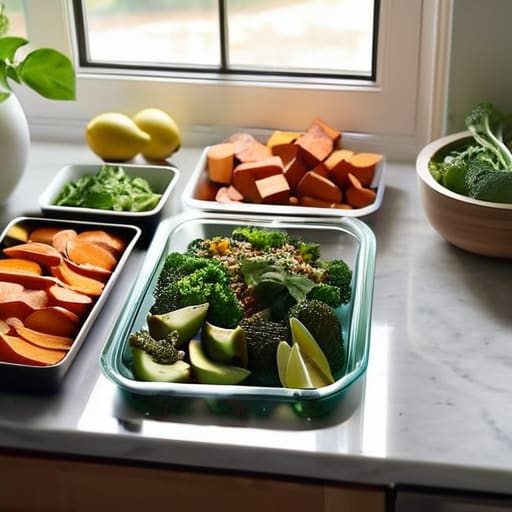
I’ve spent most of my career troubleshooting complex systems, from glitchy IT infrastructures to messy operational workflows, but nothing is quite as chaotic as a Tuesday night when you realize there is nothing in the fridge but a jar of pickles and half an onion. We’ve all been there: staring at a takeout app, feeling that specific brand of guilt, and wondering why “eating well” feels like a second full-time job. The truth is, most healthy meal prep ideas you see online are designed for people with infinite time and a pristine, minimalist kitchen—not for those of us trying to balance a career and a life. We don’t need complicated recipes that require a culinary degree; we need systems that actually survive a long day.
In this guide, I’m stripping away the fluff and focusing on eight practical, low-maintenance strategies that prioritize function over perfection. I’m going to show you how to build a rotation of versatile staples that work even when your brain is fried, ensuring you have nutritious options ready to go without the constant kitchen cleanup. These aren’t just recipes; they are tools to help you reclaim your evenings.
The Component Method
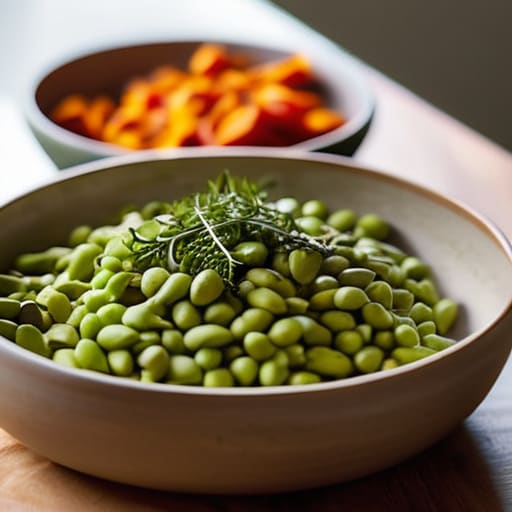
Forget the idea that you need to spend four hours on a Sunday assembling individual Tupperware containers like a factory worker. Instead, I use what I call the component method: cook a batch of protein, a big tray of roasted vegetables, and a large pot of a complex grain like quinoa or farro. When you actually sit down to eat, you just grab a bit of each and assemble a bowl in under three minutes.
One-Pan Roasted Staples
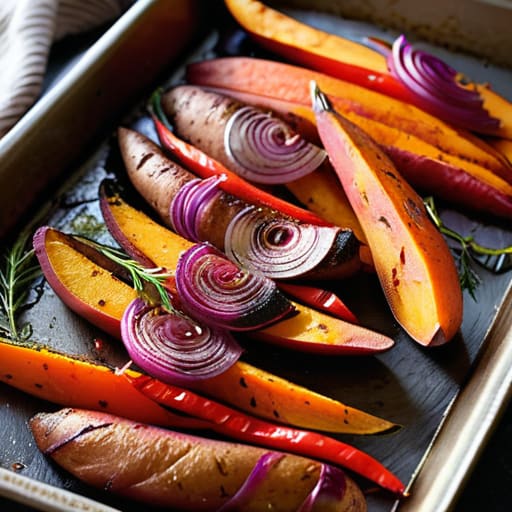
If the thought of scrubbing three different pots makes you want to quit cooking entirely, stick to the sheet pan. Throwing chopped sweet potatoes, bell peppers, red onions, and sausages onto a single tray with some olive oil and dried herbs is the ultimate low-maintenance win. You get a massive amount of food with almost zero cognitive load during the process.
The "Sauce is King" Strategy
I’ve learned through years of trial and error that most meal prep fails because the food ends up tasting like dry cardboard by Wednesday. The fix isn’t more seasoning in the pan; it’s having three high-quality sauces waiting in the fridge. Think a bright lemon-tahini dressing, a spicy chipotle crema, and maybe a classic pesto.
Batch-Cooked Grain Salads
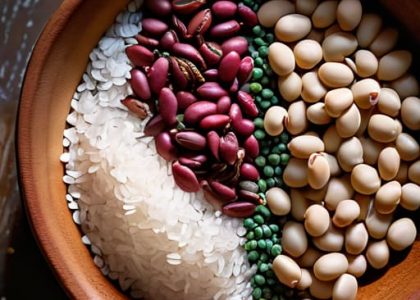
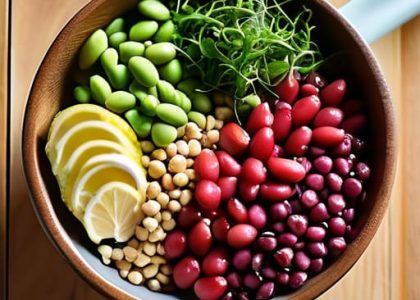
Most people think salads are only good for the first twenty-four hours before they turn into a soggy, depressing mess. However, if you switch your focus to hearty grain-based salads, they actually get better as they sit. A base of lentils, chickpeas, or barley can absorb dressings and flavors without losing their structural integrity.
Breakfast on Autopilot
We often spend so much energy planning dinner that we completely neglect the morning, leading to a frantic dash for a sugary pastry or a mediocre granola bar. I prefer to treat breakfast like a systematic routine. Overnight oats are my personal go-to because they require exactly thirty seconds of effort the night before.
The Protein Prep Hack
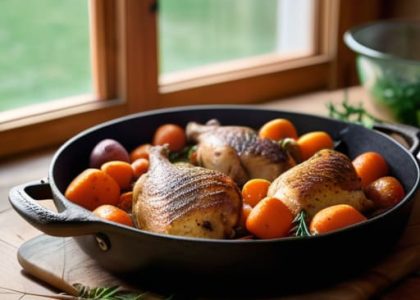
Protein is usually the most expensive and time-consuming part of any meal, so don’t leave it to chance. I like to prep versatile protein blocks rather than finished dishes. For example, roasting two whole chickens or baking a large batch of seasoned tofu provides a foundation that can be shredded into tacos, sliced into salads, or tossed into a quick stir-fry.
Frozen Veggie Integration
There is a lingering, incorrect stigma that frozen vegetables are somehow inferior to fresh ones. In my book, a bag of frozen organic peas, spinach, or mixed peppers is a strategic asset. They are pre-washed, pre-chopped, and—most importantly—they won’t rot in your crisper drawer if your week gets unexpectedly chaotic.
Soup as a Safety Net
There is something deeply comforting about a large pot of soup or chili sitting in the fridge. I always make a double batch of whatever stew or soup I’m making, because liquid meals are the ultimate insurance policy for a bad day. If you get home late, exhausted, and the kitchen feels overwhelming, a bowl of warm soup is a low-effort way to eat well.
Don't Let the System Break You
At the end of the day, the goal isn’t to turn your kitchen into a high-tech laboratory or to spend your entire Sunday in a flour-covered trance. Whether you’re prepping versatile grains, roasting a massive tray of seasonal vegetables, or just boiling a dozen eggs to keep in the fridge, the objective remains the same: reducing the number of decisions you have to make when you’re exhausted. You don’t need a complicated spreadsheet or a dozen matching glass containers to succeed; you just need a few reliable staples that can be assembled in five minutes or less. Focus on building a foundation of ingredients rather than a rigid, unchangeable menu that leaves no room for error.
If you miss a week or end up ordering takeout because the sheer thought of chopping onions feels like too much, don’t sweat it. Life is messy, and your meal prep should be flexible enough to accommodate that reality rather than adding to your stress levels. The most effective systems are the ones you actually stick to, even when the day goes sideways. Use these ideas as a framework, not a set of strict rules, and remember that a little bit of preparation goes a long way in helping you reclaim your sanity one meal at a time. Now, go put the lid on those containers and get back to your life.
Frequently Asked Questions
How do I keep my prepped veggies from turning into a soggy mess by Wednesday?
The mistake most people make is treating the fridge like a single, giant bin. If you toss everything in together, moisture becomes the enemy. My rule: keep the “wet” stuff away from the “dry.” Store chopped leafy greens with a dry paper towel to wick away moisture, and never prep cucumbers or tomatoes days in advance—they’re structural disasters. If it’s going to get soggy, it’s better to chop it fresh right before you cook.
I don't have much counter space; what's the most efficient way to prep without turning my kitchen into a disaster zone?
The secret is to stop thinking about “counter space” and start thinking about “workflow.” If your counters are tiny, clear them entirely before you even touch a knife. Use a single large cutting board as your primary station and keep everything else—bowls, spices, scraps—in a tray or even a clean baking sheet. It’s basically a mobile workstation. Minimize the footprint, clean as you go, and don’t let the chaos spread.
Is it actually better to prep everything on Sunday, or should I just do small batches throughout the week?
Look, the “Sunday Scaries” version of meal prep—spending five hours in a flour-dusted kitchen to save time later—is a recipe for burnout. If you try to engineer a perfect week on Sunday, you’ll likely end up throwing half of it away by Wednesday. I’m a proponent of the hybrid approach: prep your versatile staples on Sunday (grains, roasted veg, a protein), then do small, tactical batches during the week. It’s more sustainable.
What are some healthy staples I can keep on hand for those nights when my entire plan falls apart?
Look, when the day goes sideways, you don’t need a recipe; you need components. Keep a stash of “emergency” staples: canned chickpeas or lentils for instant protein, frozen vegetable medleys that won’t wilt in the crisper, and a box of quick-cooking quinoa or farro. Throw them in a pan with some olive oil and whatever spices aren’t expired, and you’ve got a meal. It’s not gourmet, but it’s fuel, and it’s functional.