I am so tired of seeing “aesthetic” kitchen organization videos that involve buying twenty matching acrylic bins just to store your pasta. It’s performative, it’s expensive, and quite frankly, it’s a waste of time. If you need a specialized gadget to peel a potato or a color-coded system just to find the salt, you don’t have a kitchen; you have a museum. Most of the viral kitchen tips and tricks circulating online are designed for people with endless free time and zero actual cooking to do. I’m not interested in making my pantry look like a Pinterest board; I want it to actually function when I’m trying to get dinner on the table after a ten-hour workday.
I’m not here to sell you on a lifestyle overhaul or a suite of unnecessary tools. Instead, I’m going to share the gritty, practical systems I’ve developed over years of troubleshooting chaotic meal times and cluttered countertops. We’re going to focus on functional simplicity—the kind of habits that stay intact even when you’re exhausted. These are the real-world kitchen tips and tricks that prioritize efficiency over aesthetics, so you can spend less time managing your space and more time actually enjoying your life.
Stop Chasing Hacks Kitchen Tips and Tricks That Actually Work
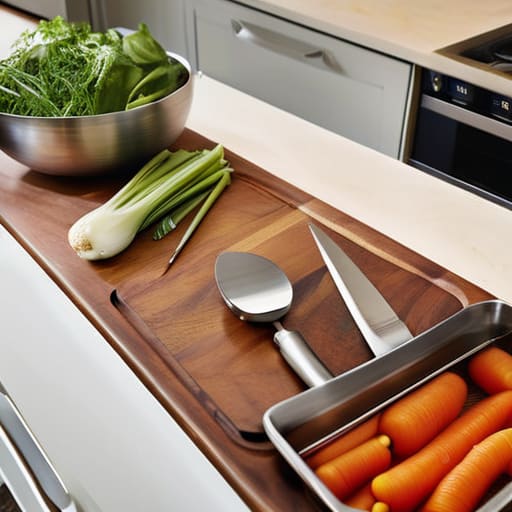
We need to stop treating our kitchens like a high-stakes episode of a cooking competition. Most of the “hacks” you see online—the ones involving specialized gadgets that only do one thing—are just more clutter waiting to happen. If you want actual meal prep efficiency, stop looking for a magic tool and start looking at your workflow. I’ve learned through years of trial and error that the most effective way to save time isn’t a new gadget; it’s simply keeping your most-used items within arm’s reach. If you have to dig through three drawers just to find a paring knife, your system is broken.
Instead of buying more containers, focus on better food storage solutions that actually fit your lifestyle. I use clear, stackable glass because I can see exactly what’s in there at a glance, which prevents that inevitable “what is that gray thing in the back of the fridge?” moment. It’s about reducing the mental load of decision-making. When your pantry is organized logically rather than aesthetically, you spend less time troubleshooting your inventory and more time actually eating. Keep it simple, keep it visible, and for heaven’s sake, stop buying things you’ll only use once.
Mastering Knife Skills for Beginners Without the Fancy Gadgets
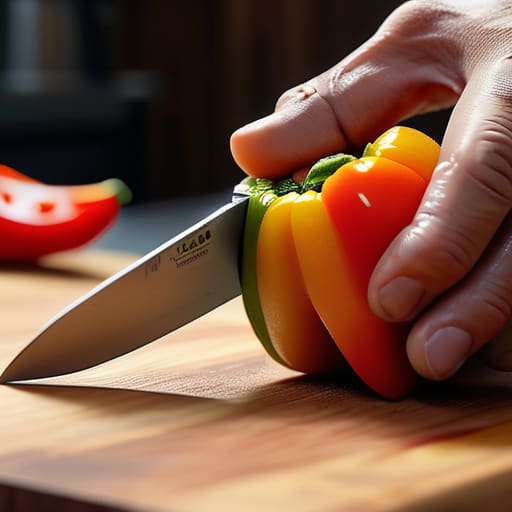
Look, you don’t need a set of professional-grade Japanese steel to get through a Tuesday night stir-fry. Most people overcomplicate this by thinking they need a dozen different specialty blades, but honestly? A single, decent chef’s knife and a bit of technique will do more for your meal prep efficiency than any expensive gadget ever could. The real secret isn’t the tool; it’s the grip. Stop holding the handle like a hammer; instead, pinch the base of the blade between your thumb and index finger. This gives you the leverage you actually need for control, rather than just brute force.
Once you have the grip down, focus on your “claw.” Tuck your fingertips inward and use your knuckles to guide the blade. It feels a bit awkward for the first few times, but it’s the only way to ensure you aren’t losing a digit to a rogue onion slice. Proper knife skills for beginners are less about speed and more about consistent, predictable movement. If you can chop an onion into uniform pieces, it cooks evenly, which means you aren’t biting into a raw chunk of vegetable halfway through your meal. It’s about working smarter, not faster, so you can spend less time hovering over the cutting board and more time actually eating.
Real Meal Prep Efficiency for When You Are Exhausted
Most people think meal prep means spending your entire Sunday afternoon in a frantic, flour-dusted marathon, trying to portion out fifteen identical Tupperware containers. That’s not a system; that’s a chore. If you’re coming home after a ten-hour day and the last thing you want to do is chop an onion, you don’t need more recipes—you need better meal prep efficiency. I’ve learned that the secret isn’t cooking everything at once, but rather prepping components. Roast a massive tray of vegetables, cook a double batch of grains, and prep a protein while you’re already cleaning up from dinner. When you have these building blocks ready, assembling a real meal takes five minutes instead of forty.
The real enemy of a functional kitchen is the “decision fatigue” that hits at 6:00 PM. To fight this, invest in decent food storage solutions that actually work. Stop using those flimsy, mismatched plastic tubs that leak in your bag or stack like a game of Jenga gone wrong. Get a set of uniform, high-quality containers that nest together neatly. When your fridge is organized and your ingredients are visible, you’re much less likely to default to takeout. It’s about reducing the friction between being hungry and being fed.
Smart Food Storage Solutions That Prevent Constant Food Waste
We’ve all been there: you open the crisper drawer only to find a bag of slime that used to be expensive organic spinach. It’s not a lack of willpower; it’s a failure of systems. Most of the “aesthetic” food storage solutions you see on social media are designed for photos, not for actual life. If you have to play Tetris just to find the leftovers, you’re going to end up ordering takeout instead of eating what you already paid for.
My rule of thumb is simple: visibility is everything. If you can’t see it, you won’t eat it. I stopped buying those massive, opaque plastic bins and switched to clear glass containers. They last longer, they don’t stain, and more importantly, they act as a visual prompt. I also swear by the “First In, First Out” method—it’s a basic principle from my IT days applied to the fridge. When you get home from the store, move the older produce to the front. It’s one of those small kitchen organization ideas that prevents the dreaded “mystery Tupperware” graveyard in the back of the shelf. Stop trying to optimize for perfection and start optimizing for visibility.
Kitchen Organization Ideas for a Functional Stress Free Space
Look, I’m not interested in those Pinterest-perfect pantries filled with matching glass jars and hand-lettered labels. That’s not organization; that’s a full-time job in aesthetics. Real kitchen organization ideas should serve your workflow, not your social media feed. If you find yourself digging through a cluttered “junk drawer” for a spatula every time you start dinner, your system has failed you. I prefer a logic-based approach: group things by how you actually use them. Keep your oils, salt, and most-used seasonings right next to the stove. If you have to walk across the room to find the pepper, you’re just adding unnecessary friction to your evening.
The same goes for your heavy lifting. Your most-used pots, pans, and cutting boards should be in the “prime real estate” zone—the cabinets between your waist and eye level. If you’re tucking your daily skillet at the bottom of a deep corner cabinet, you’re making life harder than it needs to be. I also swear by clear bins for the pantry; they aren’t about being fancy, they’re about visibility. If you can see that you’re low on lentils before you start a recipe, you’ve just saved yourself a mid-cook crisis. Keep it functional, keep it visible, and stop over-engineering the process.
Culinary Time Saving Methods for Real Life Not Pinterest
If you’ve ever spent forty minutes scrolling through “aesthetic” cooking videos only to realize you have no idea how to actually execute a Tuesday night dinner, you aren’t alone. Most of those viral videos rely on a level of perfection that doesn’t exist in a house with real people and real schedules. Real culinary time saving methods aren’t about owning a specialized garlic press or a rotating spice rack; they are about reducing the number of decisions you have to make when you’re already running on fumes.
I’ve found that the most effective way to shave time off your evening is to embrace the “component method.” Instead of trying to cook a complex, multi-step recipe from scratch, prep a few versatile building blocks—like a batch of roasted vegetables or a single protein—that can be tossed into different meals throughout the week. It’s less about the performative aspect of cooking and more about minimizing friction. When you combine this with decent kitchen tool maintenance—like actually keeping your knives sharp so you aren’t wrestling with a dull blade—you stop fighting your equipment and start actually moving through your tasks. It’s not glamorous, but it’s functional, and it gets you out of the kitchen and back to your life much faster.
Simple Kitchen Tool Maintenance to Keep Things Running Smoothly
Look, we’ve all been there: you’re halfway through a recipe, trying to maintain some semblance of meal prep efficiency, and suddenly your favorite whisk snaps or your cutting board feels like it’s made of sandpaper. We tend to treat our kitchen tools like disposable commodities, but if you want a kitchen that actually functions, you have to treat your gear like the investment it is. I spent my weekends restoring analog synths; I know that if you don’t maintain the components, the whole system fails. Your kitchen is no different.
Start with the basics of kitchen tool maintenance by actually reading the care instructions—yes, even for the “indestructible” stuff. If a pan is non-stick, stop scrubbing it with steel wool like you’re cleaning a battleship; you’re just destroying the surface. For your wooden boards and handles, a quick rub with food-grade mineral oil once a month keeps them from cracking. It’s a five-minute task that prevents you from having to replace everything in a year. Don’t wait until a tool breaks mid-service to realize it needed a little TLC. Consistency beats intensity every single time.
Building Better Habits to Reclaim Your Kitchen and Time
The problem with most advice is that it treats cooking like a hobby you have time to curate, rather than a necessary part of a busy life. We don’t need a brand-new pantry system every Tuesday; we need a way to stop the chaos before it starts. For me, that means focusing on the “reset.” Instead of waiting for a massive weekend overhaul, I aim for a ten-minute nightly reset. This isn’t about deep cleaning; it’s about clearing the counters, loading the dishwasher, and making sure the coffee maker is ready for tomorrow. When you walk into a kitchen that isn’t a crime scene, you’ve already won half the battle.
True efficiency comes from stacking these small wins. If you’ve already mastered basic knife skills for beginners, you aren’t fumbling with a dull blade while the garlic burns. If you’ve implemented basic food storage solutions, you aren’t playing detective with Tupperware lids at 7:00 PM. It’s about building a loop where your environment supports your actions rather than fighting them. Stop looking for the magic gadget and start looking for the friction points in your routine. Once you remove those small, annoying hurdles, you’ll find you actually have the headspace to enjoy the process.
Five Low-Maintenance Habits to Stop the Kitchen Chaos
- Stop cleaning as you go—it’s a lie that leads to burnout. Instead, embrace the “one-surface rule”: keep exactly one countertop completely clear at all times. It gives your brain a visual reset point so the mess doesn’t feel like it’s swallowing you whole.
- Stop buying specialized single-use gadgets that just collect dust in a drawer. If a tool doesn’t do at least three different things, it’s clutter. Stick to the heavy hitters—a decent chef’s knife, a cast iron skillet, and a solid pot—and learn to use them well.
- Build a “landing strip” for your groceries. Don’t just shove everything into the pantry or fridge the second you walk through the door. Set a dedicated spot on the counter for your bags, unpack them systematically, and get the perishables in the fridge immediately. It prevents that frantic, disorganized scramble.
- Use the “Clean Sink Policy” before you sit down for the night. I don’t care if the dishes aren’t all put away, but make sure the sink is empty and wiped down. Walking into a kitchen with a clean sink in the morning changes your entire mental state for the day.
- Batch your prep, not just your meals. You don’t need to spend five hours on a Sunday making five identical Tupperware containers. Just chop the onions, mince the garlic, and wash the greens while you’re already in the kitchen. It’s about reducing the friction of cooking during the week, not turning yourself into a factory worker.
Stop Troubleshooting, Start Living
At the end of the day, a functional kitchen isn’t about having the most expensive sous-vide machine or a pantry that looks like a staged showroom. It’s about the small, unglamorous things: knowing where your sharpest knife is, having a meal prep strategy that doesn’t leave you weeping over Tupperware on a Sunday night, and maintaining the tools you already own. We’ve covered everything from sharpening your skills to organizing your space for actual workflow efficiency rather than aesthetic perfection. If you implement even two or three of these systems—maybe it’s just better food storage or a more realistic approach to meal prepping—you’ll notice the friction starts to disappear. The goal isn’t to become a professional chef; it’s to reduce the cognitive load of just trying to feed yourself and your family.
Don’t feel like you have to overhaul your entire culinary life by Monday morning. That’s how systems fail. Pick one area that currently feels like a constant troubleshooting session—the messy junk drawer, the dull knives, or the wasted produce—and fix that one thing. Build a habit that actually sticks, and let the rest of the chaos settle. Remember, your kitchen is a tool meant to serve you, not a project that demands your constant perfection. Once you get these basic systems running smoothly, you can finally stop worrying about the logistics and actually enjoy the meal.
Frequently Asked Questions
I’ve tried meal prepping, but I always end up with soggy leftovers by Wednesday; how do I actually keep things tasting fresh?
The problem isn’t your cooking; it’s your storage physics. Stop piling everything into one big container. Moisture is the enemy of texture. If you’re prepping something with sauce, keep the base and the sauce separate until you’re actually ready to heat it up. Also, let your food cool completely before sealing the lid—trapping steam is just a fast track to soggy leftovers. It’s a small extra step, but it’s the difference between a decent meal and sad mush.
My kitchen counters are tiny and cluttered—should I invest in more storage or just get rid of everything I don't use daily?
Don’t go out and buy more storage. Adding more containers to a small space is just rearranging the clutter, not solving it. If your counters are tiny, they need to be functional, not decorative. Get rid of anything you don’t touch at least once a week. If you haven’t used that bread maker or fancy stand mixer in a month, it belongs in a cabinet or a box in the garage. Clear the deck first.
Is it actually worth the time to sharpen my own knives, or should I just buy a cheap set and replace them when they get dull?
Buy one decent, high-quality knife and learn to maintain it. Buying a cheap set is a trap; you’ll spend more money replacing dull blades every year, and they’ll never cut well enough to make prep work actually enjoyable. It’s worth the twenty minutes of practice to learn a whetstone or even just use a honing rod. Invest in the tool, learn the maintenance, and stop the cycle of constant, expensive replacements.
How do I build a consistent kitchen routine without it feeling like another exhausting chore on my to-do list?
The trick is to stop treating your kitchen like a second job. If your “routine” requires twenty steps and a perfectly staged pantry, you’ve already lost. Instead, tie small actions to things you’re already doing. Empty the dishwasher while the coffee brews; clear the counters before you sit down for dinner. Don’t aim for perfection; aim for “functional enough.” Build systems that serve your energy levels, not your Instagram feed.