I’m so tired of seeing those “budget-friendly meals” that require a trip to a boutique organic market and three hours of meticulous chopping just to make a single lentil stew. If I see one more influencer suggest that saving money means spending your entire Sunday meal-prepping twenty identical plastic containers of steamed kale, I might actually lose it. Real life isn’t a curated aesthetic; it’s messy, it’s loud, and usually, it’s happening right when you’re too exhausted to even look at a recipe. We don’t need complicated culinary projects disguised as savings; we need food that actually works when the day has gone sideways.
I’m not here to sell you on some unrealistic lifestyle overhaul or a pantry full of expensive “superfoods.” Instead, I’m going to share the functional systems I use to keep my kitchen running without draining my bank account or my sanity. We’re going to focus on versatile staples, smart shortcuts, and meals that are actually repeatable when you’re running on fumes. No fluff, no wasted ingredients—just practical eating for people with real lives.
Stop Troubleshooting Your Dinner Real Budget Friendly Meals That Work
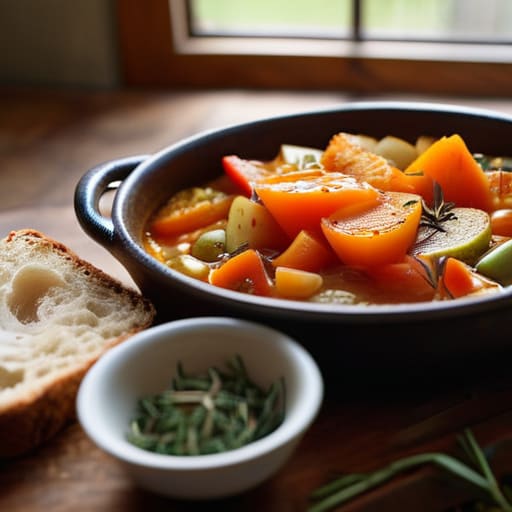
Stop troubleshooting your dinner: Real Budget Friendly Meals That Work
Most people approach meal planning like they’re debugging a broken piece of software—constantly searching for that one “magic” recipe that will finally fix their chaotic evenings. But here’s the reality: you don’t need a gourmet cookbook; you need a reliable system. Instead of chasing expensive superfood trends, focus on building a foundation of economical pantry staples like dried lentils, jasmine rice, and canned tomatoes. These aren’t just fillers; they are the reliable components that allow you to assemble a decent meal in ten minutes when the day has gone sideways.
The trick to making this work without losing your mind is to stop viewing every meal as a new project. I’m a big proponent of batch-processing your ingredients rather than full-blown, soul-crushing meal prep sessions. If you’re roasting a tray of vegetables on Sunday, roast twice as many as you need. Those extra sweet potatoes and peppers become the backbone of a grain bowl on Tuesday or a quick omelet on Wednesday. By leaning on cheap protein sources like eggs or canned beans, you aren’t just saving money; you’re removing the decision fatigue that usually leads to expensive, last-minute takeout orders.
Low Cost Grocery Shopping Tips for When Life Gets Messy
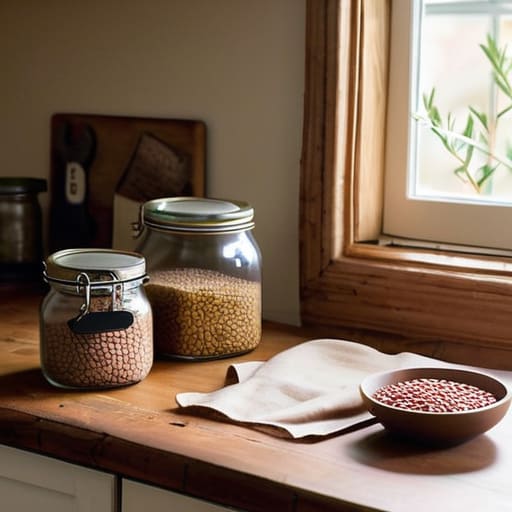
The biggest mistake I see people make is walking into a supermarket with a “vibe” instead of a plan. When you’re tired and the house is a disaster, that vibe usually translates to a cart full of expensive, pre-packaged convenience foods that offer zero nutritional value. If you want to actually succeed at saving money on groceries, you have to stop shopping for what you want in the moment and start shopping for what is versatile. My rule of thumb? Build your list around economical pantry staples like dried lentils, brown rice, and canned tomatoes. These are the structural components of a meal; they don’t expire in three days, and they provide a reliable foundation when your brain is too fried to improvise.
Don’t get caught up in the “meal prep” trap where you spend six hours on a Sunday portioning out identical plastic containers. That’s not a system; that’s a second job. Instead, focus on simple low cost grocery shopping tips like buying frozen vegetables and cheap protein sources such as eggs or canned tuna. Frozen greens are often more nutritious than the “fresh” stuff that’s been sitting in a truck for a week, and they won’t turn into a science experiment in your crisper drawer if you forget about them. Keep it functional, keep it simple, and stop overcomplicating the process.
The Survival Kit Economical Pantry Staples You Actually Need
If you’ve ever stared into a fridge that contains nothing but a limp carrot and a jar of pickles, you know that true culinary freedom isn’t about having every exotic spice on hand; it’s about having a foundation. I like to think of my pantry as a toolkit. Just like I wouldn’t attempt to fix a vintage Moog without the right capacitors, you shouldn’t try to tackle a week of cooking without a reliable set of economical pantry staples. I’m talking about the heavy lifters: dried lentils, canned tomatoes, jasmine rice, and a decent olive oil. These aren’t just ingredients; they are the modular components that allow you to build a meal from scratch in twenty minutes when you’re too drained to think.
The real trick to saving money on groceries is shifting your focus from “what do I want to eat tonight?” to “what can I build with what I already have?” By leaning on cheap protein sources like beans, chickpeas, or even a dozen eggs, you decouple your dinner plans from the volatility of the produce aisle. This approach is the cornerstone of successful meal prepping for beginners because it removes the decision fatigue that usually leads to expensive, last-minute takeout orders. Keep your toolkit stocked, keep it simple, and you’ll find that the chaos of a busy week becomes much easier to manage.
Meal Prepping for Beginners Without the Perfectionist Pressure
If you’ve ever scrolled through social media and seen those perfectly curated, color-coded Tupperware containers filled with identical portions of quinoa and kale, please—stop. That isn’t meal prepping; that’s a full-time job. For most of us, that level of precision is just another thing to troubleshoot when we’re already running behind. When I talk about meal prepping for beginners, I’m not talking about spending your entire Sunday in a flour-dusted kitchen. I’m talking about “component prepping”—making a big batch of one grain, roasting a tray of seasonal vegetables, and prepping a single versatile protein.
The goal is to build a modular system. Instead of committing to a rigid menu, focus on bulk cooking ideas that allow for flexibility. If you roast a large batch of chicken or seasoned chickpeas, you can turn them into a salad on Monday, a wrap on Tuesday, and a grain bowl on Wednesday. This approach relies heavily on your economical pantry staples to bridge the gaps. By preparing components rather than finished dishes, you avoid the “reheated leftovers” fatigue and keep your options open for when life inevitably throws a curveball. Keep it functional, keep it simple, and let the system work for you, not the other way around.
Fueling Your Chaos With Nutritious Meals on a Tight Budget
There is a persistent myth that eating well requires a designer organic market and a massive paycheck. It’s nonsense. In my experience, the most sustainable way to manage nutritious meals on a tight budget isn’t about finding some magic superfood; it’s about understanding the mechanics of what actually keeps you full and focused. If you’re relying on processed convenience foods because they’re easy, you’re essentially trading your long-term energy for a short-term fix. That’s just bad systems design.
Instead, I look for high-leverage ingredients—things that offer maximum nutritional bang for your buck. This is where you lean heavily into cheap protein sources like lentils, canned beans, or eggs. They are incredibly forgiving, they don’t expire the second you look away, and they form the backbone of almost every meal I cook when my consulting schedule goes sideways.
Don’t get caught up in the trap of “diet culture” recipes that require twelve niche spices and a trip to three different specialty stores. Focus on building plates around fiber and protein. If you can master a few basic combinations—like a hearty bean chili or a grain bowl—you aren’t just saving money; you’re reducing the mental load of deciding what to eat every single night.
Smart Saving Money on Groceries Instead of Chasing Life Hacks
We’ve all seen those viral videos promising “secret” ways to save hundreds of dollars, usually involving some complicated app or a ridiculous coupon-stacking scheme that takes more time than it actually saves. Let’s be honest: if a “hack” requires three hours of research to save five dollars, it’s not a hack—it’s a second job. I’ve spent enough time in IT to know that the most efficient systems aren’t the flashiest; they’re the ones that are consistent. Instead of chasing every fleeting trend, focus on the boring, reliable fundamentals of saving money on groceries.
Start by looking at your shopping list through the lens of versatility rather than novelty. When I’m planning my week, I don’t look for exotic ingredients that will inevitably rot in the crisper drawer; I look for cheap protein sources like lentils, eggs, or canned tuna that can be pivoted into three different meals. It’s about building a foundation of ingredients that play well together. If you stop trying to reinvent the wheel every Tuesday night and instead master a few foundational combinations, you’ll find that your grocery bill drops naturally without the mental exhaustion of constant optimization.
Bulk Cooking Ideas to Simplify Your Weeknight Survival
The biggest mistake I see people make when they start bulk cooking is trying to prepare seven different meals at once. That’s not a system; that’s a recipe for burnout. Instead, I approach it like an IT professional optimizing a server: you build a core foundation that can be repurposed. Think of it as “component cooking.” If you spend Sunday afternoon simmering a massive pot of beans or roasting a batch of chicken thighs, you aren’t just making one meal—you’re building the infrastructure for the entire week. These cheap protein sources are the heavy lifters that allow you to pivot from a burrito bowl on Tuesday to a hearty salad or a quick pasta dish on Thursday without starting from scratch.
When you lean into these bulk cooking ideas, you stop making decisions when you’re tired, which is usually when the expensive takeout orders happen. I like to focus on “modular” recipes. A large batch of seasoned lentils or a tray of roasted root vegetables can be transformed into something entirely different just by swapping the sauce or the grain. It’s about using those economical pantry staples you already have on hand to add variety. This isn’t about being a gourmet chef; it’s about creating a repeatable, functional loop that keeps you fed and keeps your bank account intact.
Cheap Protein Sources That Keep You Functional and Full
If you’ve been following my advice on economical pantry staples, you know I’m not a fan of expensive, trendy “superfoods” that promise miracles but drain your bank account. When we talk about staying functional, protein is the non-negotiable. It’s the difference between feeling steady through a long afternoon of client calls and hitting that 3:00 PM wall where everything feels impossible. Instead of eyeing the overpriced organic steak, I look toward the heavy hitters: lentils, chickpeas, and dried beans. They are the ultimate foundation for nutritious meals on a tight budget because they don’t just last forever in the cupboard; they provide the sustained energy you actually need to keep moving.
Eggs are another absolute essential in my rotation. They are incredibly versatile—a quick scramble in the morning or a hard-boiled snack for when you’re running between meetings. If you are leaning into bulk cooking ideas, I highly recommend picking up larger packs of frozen chicken thighs or canned tuna. They are much more forgiving than premium cuts and work perfectly in almost any recipe. The goal isn’t to eat like a gourmet chef; it’s to ensure you have enough reliable fuel to handle whatever chaos the day throws at you.
Five Ways to Stop Overthinking Your Grocery Bill
- Stop buying “specialty” ingredients for one-off recipes. If a dish requires a specific, expensive spice or a niche grain you’ll never use again, skip it. Stick to what you already have in the pantry and build your meals around those existing foundations.
- Embrace the frozen aisle without guilt. Frozen vegetables are often more nutrient-dense than the “fresh” stuff that’s been sitting in a truck for a week, and they won’t turn into a science experiment in the bottom of your crisper drawer.
- Master the art of the “repurpose.” That roasted chicken from Sunday shouldn’t just be a meal; it’s the base for Monday’s tacos and Wednesday’s grain bowls. If you aren’t looking at your leftovers as raw materials for your next meal, you’re wasting money.
- Shop with a list, but keep it flexible. A rigid list is great, but if the broccoli is overpriced this week, buy the cabbage instead. Don’t let a specific ingredient dictate your budget; let the price tags dictate your menu.
- Watch the “convenience tax.” Pre-cut onions and bagged salads are fine in an absolute emergency, but you’re paying a massive markup for ten minutes of saved time. If you can spare the time to chop a whole onion, your bank account will thank you.
The Bottom Line
At the end of the day, feeding yourself on a budget isn’t about following some rigid, aesthetic meal prep trend you saw on social media. It’s about building a system that survives the reality of a Tuesday night when the kids are cranky and your brain is fried. We’ve talked about stocking a functional pantry, prioritizing versatile proteins, and ditching the “all-or-nothing” mindset that usually leads to expensive takeout orders. If you can master a few reliable staples and learn to shop with intention rather than impulse, you’ve already won half the battle. It’s not about being a gourmet chef; it’s about reducing the friction between you and a decent meal so you can stop worrying about the grocery bill and start focusing on everything else.
My advice? Start small. Don’t try to overhaul your entire kitchen overnight—that’s a recipe for burnout. Pick one thing, like mastering a single bulk-cook recipe or finally organizing that spice cabinet, and build from there. Life is messy enough without making your dinner routine another source of stress. Focus on what is actually functional for your specific brand of chaos. Once you have these small, repeatable systems in place, you’ll realize that eating well doesn’t have to be a constant troubleshooting session. It can just be part of the rhythm of a life well-lived.
Frequently Asked Questions
How do I keep things from getting boring if I'm eating similar staples every week?
The trick isn’t buying more ingredients; it’s changing the way you apply them. Think of your staples like modular synth components—the same basic parts can create entirely different sounds. If you have rice and beans, one night is a Mexican-style bowl with lime and cumin, and the next is a Mediterranean salad with feta and dried oregano. Swap your spices, change the texture with something crunchy, or switch the acid. It’s about flavor profiles, not new grocery lists.
Is it actually cheaper to buy in bulk, or am I just spending more money upfront for stuff I might not use?
It’s a classic trap. If you’re buying a five-pound bag of specialty quinoa just because it’s “cheaper per ounce” but it sits in your pantry for six months, you haven’t saved money—you’ve just mismanaged your cash flow. Bulk buying only works if it’s a high-rotation staple. Stick to the basics: rice, beans, oats, or frozen veggies. If you wouldn’t eat it three times a week, don’t buy it in bulk.
What do I do when my budget is so tight that even the "cheap" healthy options feel out of reach?
When the “budget” options still feel like a luxury, stop looking at nutrition labels and start looking at caloric density and shelf life. We’re talking about the absolute floor: dried lentils, large bags of rice, and oats. They aren’t glamorous, and they won’t win any culinary awards, but they are the foundational building blocks. Focus on filling the gap with these basics first, then layer in whatever small, seasonal produce you can find. Keep it functional.
How can I meal prep effectively if I don't have a ton of extra storage space or fancy containers?
Look, you don’t need a matching set of expensive, airtight glass canisters to make this work. If your fridge is a Tetris nightmare, stop trying to prep full meals in massive containers. Instead, prep components. Roast a tray of veggies, cook a batch of grains, and keep them in whatever mismatched containers you actually own. It’s more flexible, takes up less vertical space, and lets you assemble something fresh without the clutter.