I’ve spent most of my career troubleshooting digital systems, but there is something uniquely frustrating about looking at a cluttered corner of your home and realizing you don’t have the right tools to fix it. We often fall into the trap of thinking we need a professional-grade workshop and a decade of experience before we can actually make something useful. The truth is, most of us just want a sturdy shelf or a decent plant stand without the headache of a complex blueprint. If you’re tired of buying cheap, particle-board furniture that falls apart the moment you move it, starting with some simple beginner woodworking projects is the most practical way to reclaim your space and your sanity.
In this guide, I’m stripping away the fluff and focusing on eight projects that prioritize function over flash. I’ve curated this list specifically for those of us who want to build things that actually last—items that serve a purpose in your daily life rather than just gathering dust on a shelf. You’ll learn how to select projects that build your confidence without requiring a masterclass, ensuring that by the time you’re finished, you have something genuinely useful in your home.
The Zero-Stress Floating Shelf
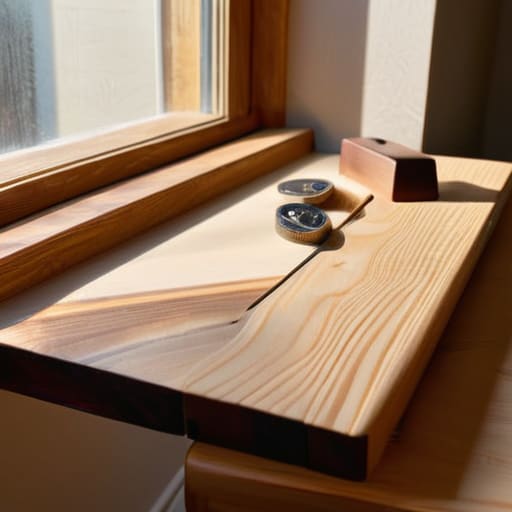
Look, we’ve all seen those Pinterest-perfect floating shelves that look like they’re defying gravity, but you don’t need a degree in engineering to pull this off. Start with some decent hardwood—nothing too precious, just something that won’t warp the moment you look at it—and a simple bracket system. The goal here isn’t a museum piece; it’s about creating a functional surface for your actual books or that stray pile of mail you’ve been ignoring.
A Solid Desktop Organizer
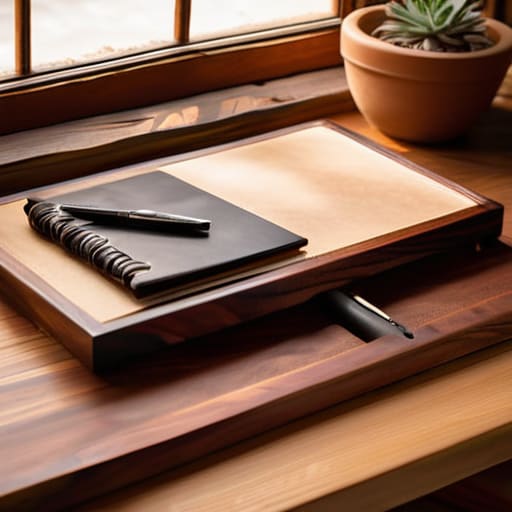
If your workspace looks like a digital graveyard of tangled cables and loose pens, you need a desktop organizer, and you need it yesterday. Instead of buying some flimsy plastic tray from a big-box store that’ll crack in six months, build something out of scraps. A simple box with a few dividers can keep your fountain pens, charging cables, and that notebook I’m always carrying in one place.
The No-Nonsense Cutting Board
This is the classic woodworking rite of passage, but for a reason. A well-made cutting board is a tool you’ll use every single day, making it one of the most practical things you can ever build. Don’t get bogged down in complex joinery or exotic woods that cost more than your monthly grocery bill. Just grab some maple or walnut and focus on getting those edges straight and the surface even.
Simple Garden Planter Boxes
If you have a porch or even just a small windowsill, a wooden planter box is a low-stakes way to practice measuring and cutting. These don’t need to be architectural masterpieces; they just need to hold dirt and not leak through the cracks. Use cedar if you can afford it, because it handles moisture like a pro without needing constant chemical treatments.
A Minimalist Bedside Caddy
We all have that one spot on the nightstand where the phone, the glasses, and the water glass go to die. A small, minimalist caddy solves this problem by giving those essentials a designated home. It’s a tiny project, which means you can finish it in an afternoon and actually see the immediate utility of your work.
The Sturdy Boot Tray
This is perhaps the most “unsexy” project on this list, but in my book, utility is king. A boot tray for the entryway prevents mud and melted snow from migrating into the rest of your house, which is a massive win for your sanity. It’s essentially just a shallow frame with a bottom, making it a perfect exercise in basic assembly.
A Rustic Picture Frame
Stop buying those mass-produced frames that feel like they’re made of compressed cardboard. Building your own frame allows you to tailor the dimensions to your actual photos, rather than trying to find a photo that fits a standard size. It’s a great way to practice miter cuts, which is a fundamental skill that will serve you well in much larger projects later.
The Essential Tool Tote
If you’re starting to collect tools, you’re going to need a way to move them around without losing your mind. A simple wooden tote is much better than a plastic bin because it won’t crack, and you can customize the compartments to fit your specific gear. It’s a project that grows with you; as you get more tools, you can build a bigger tote.
Stop Planning and Start Making
At the end of the day, these projects aren’t about achieving some level of artisan perfection or filling up a Pinterest board. Whether you’re building a simple spice rack to clear your kitchen counters or a sturdy workbench for your garage, the goal is the same: to create something that actually serves a purpose in your daily routine. You don’t need a shop full of expensive, specialized machinery to get started; you just need a few decent hand tools, some basic lumber, and the willingness to make a few mistakes along the way. Focus on the utility of the build, keep your measurements honest, and remember that functionality always beats flashiness when you’re just starting out.
Woodworking can be a bit of a mess—sawdust gets everywhere, and you’ll inevitably end up with a few extra screws left over—but that’s part of the process. There is something incredibly grounding about working with your hands to solve a physical problem, especially when the rest of our lives feels so digital and intangible. Don’t get paralyzed by the fear of a crooked joint or a rough finish. Just pick one project from this list, clear off a small space on your table, and get to work. The best way to learn how to build things that last is to simply start building.
Frequently Asked Questions
Do I really need a full workshop setup to start, or can I get away with just a few basic hand tools?
Look, I’ve spent half my life troubleshooting complex systems, and the biggest mistake people make is over-engineering their start. You don’t need a garage full of screaming power tools to make something decent. Honestly? Start with a solid handsaw, a set of decent chisels, a hammer, and a measuring tape. If you can’t master the basics with hand tools, a table saw isn’t going to save your project—it’ll just make the mistakes faster.
What’s the best way to pick wood that isn't going to warp or crack on me two weeks after I finish the project?
Look, nothing kills the satisfaction of a finished build faster than watching your hard work twist into a pretzel. The secret isn’t magic; it’s moisture content. If you’re buying from a big-box store, avoid the “wet” stuff—it’s often green and destined to warp. Aim for kiln-dried lumber. If you can, grab a cheap moisture meter; it’s a small investment that saves you massive frustration. Check for grain patterns that run straight, not wavy.
How do I keep from spending more money on specialized equipment than the actual project is worth?
The “gear trap” is real, and it’s the fastest way to turn a relaxing hobby into a financial headache. My rule is simple: don’t buy the tool until you’ve hit a wall where the lack of it actually stops your progress. If you can finish the project with what’s in your garage or a basic kit, stop there. Specialized equipment is for refinement, not for starting. Buy the skill first; the fancy tools can follow later.
Is it better to start with softwoods like pine, or should I jump straight into something more durable like oak?
Stick with pine for now. I know, “durable” sounds better, but jumping straight into oak is a quick way to burn through your budget and your patience. Oak is unforgiving; it’s dense, expensive, and if you mess up a cut, you’re looking at a costly mistake. Start with pine. It’s forgiving, cheap, and lets you learn how the grain behaves without the stress of ruining a hundred-dollar slab. Get the basics down first.