
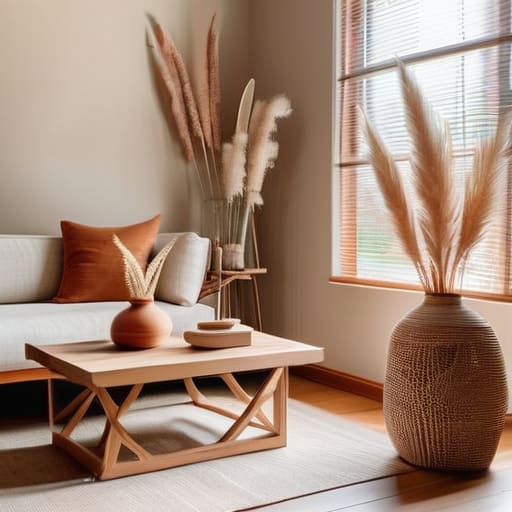
I’ve spent a good portion of my career troubleshooting broken systems, and I’ve realized that most people treat their homes the same way—as a series of endless, frustrating glitches. We’ve all been there: scrolling through endless Pinterest boards, feeling overwhelmed by diy home decor ideas that look stunning in a staged photo but fall apart the moment you actually try to live in them. The problem isn’t a lack of creativity; it’s that most “decorating” advice focuses on the aesthetic while completely ignoring the utility. If a beautiful centerpiece just creates a barrier between you and your dinner guests, it isn’t decor; it’s an obstacle.
I’m tired of seeing people waste money on clutter that serves no purpose other than to collect dust. In this guide, I’m stripping away the fluff to give you eight practical projects that bridge the gap between style and substance. We aren’t just making things look “pretty”; we are implementing functional upgrades that make your space work harder for you. By the end of this list, you’ll have a roadmap for creating a home that feels curated and intentional, without turning your weekend into a constant troubleshooting session.
Floating Shelves for Vertical Utility
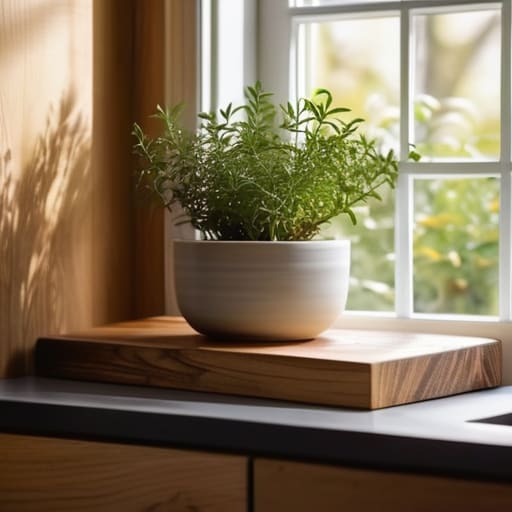
Most people buy decorative shelving that looks great in a catalog but serves no actual purpose other than holding a single, overpriced ceramic vase. If you’re going to commit to drilling holes in your walls, make it count by installing sturdy floating shelves in high-traffic areas like the kitchen or the home office. I prefer using thick wood planks that can actually support the weight of your heavy cookbooks or a stack of tech manuals without bowing in the middle.
The Upcycled Command Center
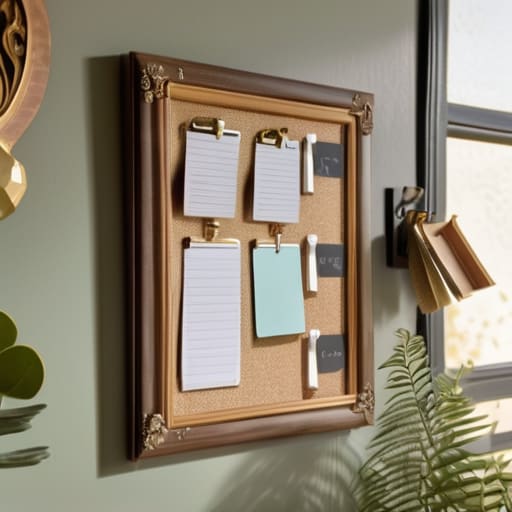
I’ve spent enough time in project management to know that a lack of organization is usually just a lack of a central hub. Instead of buying one of those flimsy plastic organizers, I like to DIY a customized command center using a large, framed corkboard or a magnetic chalkboard. You can find old, ornate frames at thrift stores that add a bit of character, then strip them down or give them a quick coat of matte paint to suit your style.
Repurposed Glass Storage
Stop buying those matching, expensive glass canister sets that break the moment you drop them. If you want a cohesive look in your pantry or bathroom, look to your recycling bin instead. Collecting various glass jars—from pasta sauce to high-end jam—provides a uniform, minimalist aesthetic that actually works for your specific needs. Just make sure you soak off the labels completely; nothing ruins a clean look faster than a sticky residue of “Organic Tomato Sauce” on your shelf.
Lighting That Sets the Tone
Most homes suffer from “big light syndrome,” where everything is illuminated by a single, harsh overhead fixture that makes the room feel like a sterile clinic. You can fix this with a simple DIY lamp project using vintage components. I’ve spent many weekends scavenging for old, heavy bases from thrift stores—think brass or ceramic—and pairing them with modern, clean-lined shades. It gives the room an instant sense of warmth and maturity.
Fabric Upcycling for Texture
If your living room feels a bit “flat,” it’s probably because you’re missing tactile variety. You don’t need to go on a shopping spree at a big-box home store to fix this. I often take high-quality remnants of linen or heavy cotton and sew them into simple, oversized throw pillows. Even if you aren’t a master tailor, a basic straight stitch on a machine is enough to create something far more durable and stylish than the polyester stuff you find in most aisles.
The Modular Entryway Station
The entryway is usually the first place where a household’s organization starts to fail. I’m a big believer in the “landing strip” concept: a dedicated space where everything goes the moment you walk through the door. You can build a simple modular station using a combination of a small console table, a few heavy-duty wall hooks, and a shallow tray for keys and mail.
Framed Botanical Prints
If you want to bring some life into a room without the constant maintenance of a high-maintenance indoor jungle, go for botanical art. I love collecting interesting leaves or dried ferns and pressing them between heavy books before framing them in simple wooden frames. It’s a way to bring the outdoors in without having to worry about watering schedules or pest control.
Custom Painted Accents
Sometimes, the most effective DIY isn’t about adding something new, but about changing what you already have. A small tin of high-quality paint can transform a boring, dated piece of furniture into a functional statement piece. I don’t mean painting your entire living room a bold color; I’m talking about targeted accents, like painting the interior of a bookshelf or the legs of a side table.
Stop Decorating, Start Living
At the end of the day, these projects aren’t about chasing a Pinterest trend or turning your living room into a museum of things you can’t actually use. Whether you’re repurposing old crates for storage or finally mounting that floating shelf to clear the clutter off your desk, the goal is the same: reducing friction in your daily routine. We’ve looked at how small, intentional changes—from better lighting to smarter organization—can transform a chaotic room into a space that actually supports your workflow and your downtime. If a DIY project doesn’t serve a purpose or make your life even slightly easier, it’s just more unnecessary maintenance waiting to happen.
My advice? Don’t feel like you have to overhaul the entire house by next weekend. Start with one corner, one shelf, or one functional upgrade that solves a genuine annoyance. You don’t need a showroom-ready home; you need a home that works as hard as you do. Once you stop treating your space like a constant troubleshooting session and start treating it like a well-oiled machine, you’ll find you have much more mental bandwidth for the things that actually matter. Let’s focus on building a life that is functionally beautiful, so you can finally put the tools away and just enjoy being home.
Frequently Asked Questions
How do I know if a DIY project is actually worth the time investment, or if I'm just creating more clutter?
Before you pick up a drill, ask yourself one question: Does this solve a friction point in my daily routine? If you’re building a custom shelf just because you saw it on Pinterest, you’re likely just manufacturing future clutter. If that shelf fixes the chaos in your entryway so you stop losing your keys, it’s a win. If it doesn’t serve a functional purpose, leave it on the mood board and keep your weekend free.
What are some ways to make DIY decor look intentional and high-quality rather than looking like a middle school art project?
The secret is restraint. Most “crafty” projects fail because they try to do too much at once. If you want it to look intentional, stick to a tight color palette and high-quality materials—swap that cheap hot glue for wood glue or brass hardware where you can. Think about scale, too; one large, well-made piece looks sophisticated, while five tiny, mismatched trinkets just look like clutter. Treat your home like a system, not a scrapbooking session.
How can I incorporate these functional DIY ideas into a rental where I can't make permanent changes?
The “renter’s dilemma” is a classic troubleshooting problem. The trick is to prioritize non-destructive, reversible systems. Think command hooks for everything, tension rods instead of drilling for curtains, and heavy-duty peel-and-stick solutions that won’t leave a scar on the drywall. If you can’t change the architecture, change the layer. Focus on modular furniture and textiles. You’re not renovating; you’re just optimizing the existing setup so it actually serves you.
Which materials are the most durable if I want these pieces to actually last more than one season?
If you want to avoid the “buy it twice” trap, skip the flimsy particle board and cheap plastics. I always lean toward solid wood, metal, or stone. They’re harder to source and might require a bit more elbow grease upfront, but they don’t warp or crack when the seasons shift. If you’re working with textiles, go heavy on natural fibers like canvas or linen. They hold up to real life; cheap synthetics just pill and fall apart.