
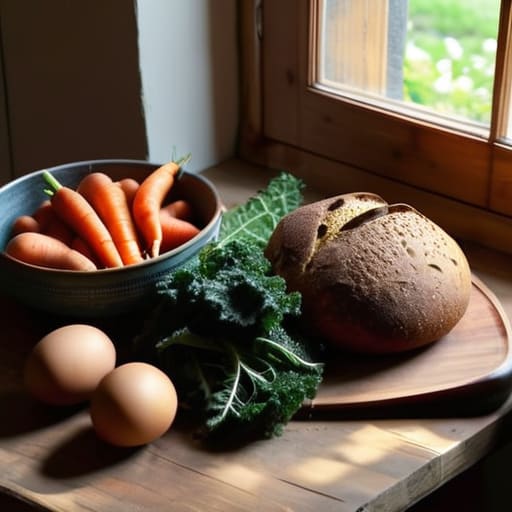
I’m officially over the “wellness influencers” telling you that eating well requires a $15 jar of organic almond butter and a subscription to a meal-kit service you’ll end up canceling in three weeks. It’s exhausting, and frankly, it’s a lie. If you’ve ever stared at a grocery receipt that looks more like a mortgage payment than a weekly food shop, you know that the current obsession with “superfoods” is just a clever way to drain your bank account. We need to stop treating healthy eating on a budget like some high-stakes culinary performance and start treating it like what it actually is: smart resource management.
I’m not here to give you a list of trendy, expensive ingredients that require a degree in chemistry to prepare. Instead, I’m going to share the functional, repeatable systems I use to keep my kitchen running without breaking the bank or my sanity. We’re going to focus on versatile staples, strategic shopping, and actual cooking methods that work even when you’re too tired to think. No fluff, no expensive gimmicks—just practical ways to fuel your body that actually stick when life gets messy.
Stop Chasing Hacks Real Healthy Eating on a Budget Starts Here
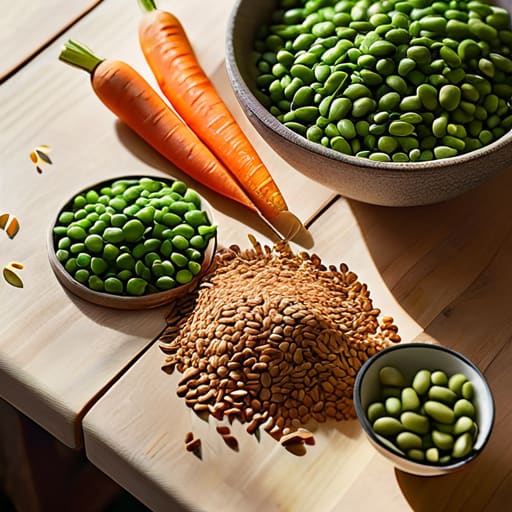
The internet is obsessed with “hacks”—those thirty-second clips promising you’ll save a fortune if you just buy this specific gadget or follow a bizarre ritual. Honestly, most of them are just noise. If you want to actually see a difference in your bank account and your energy levels, you have to stop looking for shortcuts and start looking at your inventory. Real progress comes from leaning into affordable whole foods—things like lentils, oats, and frozen vegetables—rather than hunting for the next trendy superfood that costs more than my vintage Moog synthesizer.
It’s about building a system that survives a Tuesday night meltdown. Instead of aiming for elaborate, Pinterest-perfect culinary feats, focus on minimizing food waste by actually using what you buy. I’ve learned the hard way that a “smart” grocery trip is useless if half that organic kale ends up in the compost bin by Friday. When you prioritize versatile ingredients that play well together, you aren’t just saving money; you’re reducing the mental load of deciding what’s for dinner. It’s not about being a gourmet chef; it’s about being a functional one.
Ditch the Gourmet Fluff for Affordable Whole Foods That Work
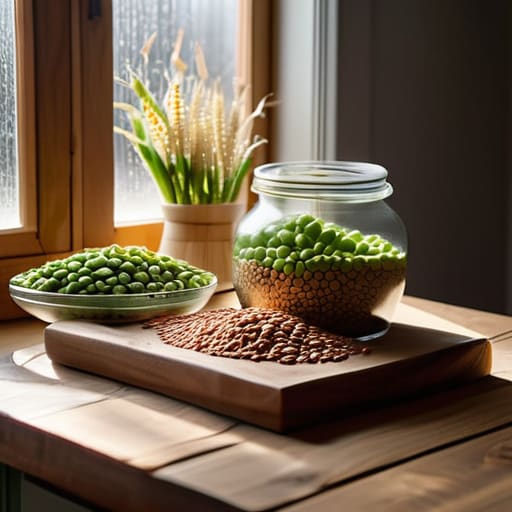
Look, I don’t have the bandwidth for a recipe that requires three different types of microgreens and a specialized citrus zester. If a grocery list looks like a botanical garden catalog, you’re doing it wrong. Real efficiency comes from leaning into affordable whole foods—the stuff that doesn’t require a culinary degree to prepare. I’m talking about bags of lentils, oats, and frozen vegetables. These aren’t “sad” substitutes; they are the reliable, high-performance components of a functional pantry.
When I’m auditing a client’s workflow, I look for bottlenecks. Your grocery routine has them, too. Stop buying pre-washed, pre-cut, or “convenience” versions of everything; you’re essentially paying a 40% markup for someone else to use a knife. Instead, focus on low cost protein sources like eggs, canned beans, or bulk chicken thighs. They are versatile, they last, and they don’t demand your undivided attention.
The goal isn’t to become a gourmet chef on a shoestring; it’s to build a system where you can grab ingredients and make something decent without a mental breakdown. Buy what’s actually useful, stick to the basics, and stop overcomplicating the process.
Smart Nutritious Grocery Shopping Tips for When Life Gets Messy
When things go sideways—a deadline runs late, the kids are sick, or you’re just plain exhausted—the grocery store becomes a battlefield of decision fatigue. My advice? Stop trying to shop like a culinary influencer and start shopping like an operations manager. This means building a list based on versatile staples rather than specific, rigid recipes. If you buy a bag of lentils, a carton of eggs, and some frozen spinach, you have the components for three different meals regardless of how much energy you have left at 6:00 PM. Focusing on low cost protein sources like beans, canned tuna, or eggs ensures you stay satiated without the high price tag of fresh steak or salmon.
Another thing to keep in mind is that perfection is the enemy of progress. You don’t need a color-coded spreadsheet to master nutritious grocery shopping tips; you just need a system that accounts for human error. I’ve learned that buying frozen vegetables is often a smarter move than chasing fresh produce that will inevitably wilt in the crisper drawer. It’s about minimizing food waste and ensuring that what you pay for actually ends up in your body, not the compost bin. Keep it simple, keep it functional, and don’t let a messy week derail your nutrition.
Reliable Low Cost Protein Sources That Dont Require a Chef
Look, we need to stop acting like protein only counts if it comes from a premium, grass-fed cut of steak. If you’re trying to keep your sanity and your bank account intact, you need to look toward the pantry staples that don’t require a culinary degree to prepare. Beans, lentils, and chickpeas are the unsung heroes here. They are incredibly stable, they don’t spoil the second you look away, and they are some of the most reliable low cost protein sources you can find. I keep a few cans of chickpeas and a bag of dried red lentils in my pantry at all times—not because I’m a gourmet chef, but because they are the ultimate “emergency” nutrition when I’m too drained to meal plan.
If you do want animal protein, keep it simple and functional. Eggs are the gold standard for a reason; they’re versatile, cheap, and require almost zero effort. Canned tuna or sardines are also excellent for minimizing food waste and effort, providing high-quality nutrition without the need for a stovetop. The goal isn’t to recreate a Michelin-star meal; it’s about finding high-density nutrition that fits into the gaps of a busy life. Stick to these basics, and you’ll find that staying fueled doesn’t have to be an expensive or exhausting project.
Why Seasonal Produce Benefits Your Wallet and Your Sanity
Look, I’m not a fan of the “eat this, not that” dogma, but there is some undeniable logic to eating with the seasons. When you try to force a salad of out-of-season berries in the middle of February, you aren’t just paying a premium for subpar flavor; you’re fighting an uphill battle against supply chains that make your grocery bill unpredictable. By leaning into what’s actually growing right now, you tap into the most natural way of minimizing food waste and keeping costs down. When a crop is in abundance, the price drops, and the quality actually hits that sweet spot where it tastes like food rather than cardboard.
Beyond the math, there’s a mental component to this that people often overlook. There is a certain, quiet sanity in knowing that your grocery list isn’t a constant battle against inflated prices. When you stop hunting for exotic imports and start focusing on local, seasonal staples, you simplify your decision-making process. It turns a chaotic shopping trip into a predictable routine. This is one of those small, repeatable systems that actually works: buy what’s plentiful, eat what’s fresh, and stop stressing over the specialty aisle. It’s about making your kitchen work for you, not the other way around.
Functional Meal Prepping for Savings Without the Kitchen Chaos
Look, I’ve seen enough “Sunday Reset” videos to know that most meal prep advice is designed for people with zero jobs and infinite patience. If you try to cook five different elaborate recipes every Sunday, you aren’t setting yourself up for success; you’re setting yourself up for a burnout session in a messy kitchen. I prefer a more modular approach. Instead of full meals, focus on component prepping. Roast a big tray of seasonal vegetables, boil a batch of grains, and prep a few low cost protein sources like lentils or hard-boiled eggs. This gives you the building blocks to assemble a decent meal in five minutes on a Tuesday night without needing a culinary degree.
The real goal here isn’t aesthetic Tupperware stacks; it’s about minimizing food waste and reducing decision fatigue. When you have versatile components ready to go, you’re less likely to reach for expensive, processed takeout when the workday runs late. By treating your fridge like a toolkit rather than a museum, you turn meal prepping for savings into a functional system that actually survives a busy week. Keep it simple, keep it repeatable, and for heaven’s sake, don’t make it harder than it needs to be.
Practical Ways of Minimizing Food Waste in a Busy Home
Let’s be honest: most food waste doesn’t happen because you’re careless; it happens because your system failed you. You buy a bag of spinach with the best intentions, only to find a bag of green slime in the crisper drawer four days later. To stop throwing money in the trash, you need to treat your fridge like an inventory system. I’ve learned that the best way to handle this is to adopt a “first in, first out” mentality. When you get home from the store, move the older produce to the front and tuck the new stuff in the back. It sounds basic, but it’s a small, repeatable habit that prevents that mid-week realization that your groceries have expired.
Another way to tackle minimizing food waste is to stop viewing “leftovers” as a failure and start seeing them as components. If you have half an onion, a wilted bell pepper, and some leftover grains from your weekend meal prepping for savings, you don’t have a mess—you have a stir-fry or a grain bowl. I keep a dedicated “use me first” bin in the fridge for anything nearing its end. It’s not about being a gourmet chef; it’s about functional resource management. If you use what you already have before reaching for something new, your wallet stays heavier and your kitchen stays significantly less chaotic.
Building Habits That Last Long After the Grocery Run
The problem with most advice is that it assumes you have the mental bandwidth of a monk. You can have the best nutritious grocery shopping tips in the world, but they mean nothing if you abandon them the moment a deadline shifts or the kids get sick. Real change doesn’t happen in a single, heroic Sunday afternoon of intense meal prepping for savings; it happens in the small, boring decisions you make when you’re tired. I’ve learned that if a system requires constant willpower, it’s a broken system.
Instead of aiming for a Pinterest-perfect pantry, aim for predictability. Pick two or three go-to breakfasts and lunches that require almost zero thought. When you reduce the number of decisions you have to make, you reduce the chance of defaulting to expensive, processed takeout. It’s about creating a baseline of functional eating that survives your worst days.
Lastly, stop trying to overhaul your entire identity overnight. If you want to incorporate more affordable whole foods into your routine, start by swapping just one processed snack for a piece of fruit or a handful of nuts. We aren’t looking for a radical transformation here; we’re looking for sustainable systems that actually stick when life inevitably gets messy.
Five low-maintenance rules for staying fed without breaking the bank
- Master the “base layer” approach: Instead of buying specific ingredients for one recipe, stock up on versatile, cheap staples like dried lentils, oats, or brown rice that can pivot from a savory dinner to a quick breakfast with minimal effort.
- Stop buying pre-cut anything: I know, it’s tempting when you’re exhausted, but the “convenience tax” on pre-washed spinach or chopped onions is a silent budget killer; buy the whole thing and spend five minutes prepping it when you actually have the headspace.
- Use your freezer as a buffer: If you see a sale on a bulk protein or a bag of frozen vegetables, grab it. A well-stocked freezer is your best defense against those Tuesday nights when you’re too tired to shop and tempted to order expensive, unhealthy takeout.
- Audit your pantry before you hit the store: It sounds basic, but I’ve seen too many people buy a second jar of cumin when they already had one hiding in the back. Check your inventory first so you aren’t paying for duplicates you don’t need.
- Embrace the “planned leftovers” system: Don’t just cook extra; cook with the intention of a second meal. A large batch of roasted vegetables and beans on Sunday isn’t just dinner; it’s the foundation for a grain bowl on Monday that requires zero extra cooking time.
Cutting Through the Noise
At the end of the day, eating well on a budget isn’t about mastering some complex culinary art form or following a rigid, Pinterest-perfect meal plan. It’s about the boring, reliable stuff: buying versatile staples, choosing seasonal produce, and building a system that actually survives a Tuesday night when you’re exhausted. We’ve covered how to shop smart, how to source protein without breaking the bank, and how to stop letting good food rot in the back of your fridge. If you can manage to prioritize functional ingredients over expensive trends and minimize waste through simple habits, you’ve already won half the battle.
Don’t feel like you have to overhaul your entire pantry by tomorrow morning. Systems aren’t built overnight; they’re built one grocery run at a time. Start with one small change—maybe it’s just buying one more versatile staple or finally committing to a basic shopping list—and see how it affects your stress levels. The goal isn’t to become a professional chef or a budget guru; it’s to reclaim your time and sanity so that food fuels you rather than draining you. Focus on what works for your actual life, not the life you see on a screen, and let the rest go.
Frequently Asked Questions
How do I actually stick to a budget when grocery prices seem to jump every single week?
Stop trying to outsmart the inflation cycle with a rigid spreadsheet; it’s a losing game. Instead, build a “buffer” into your system. Use a rolling average for your weekly budget rather than a fixed number. If eggs spike one week, compensate by leaning harder on lentils or frozen staples the next. Focus on the total monthly spend, not the weekly fluctuation. It’s about managing the trend, not the daily chaos.
What are some quick, healthy meal ideas for those nights when I’m too exhausted to even look at a recipe?
Look, we’ve all been there—staring at the fridge like it’s a complex coding error you can’t solve. When my brain is fried, I skip the recipes entirely. Think assembly, not cooking. A tin of chickpeas tossed with whatever greens are wilting in the crisper, some olive oil, and lemon is a win. Or a quick omelet with frozen spinach. It’s not gourmet, but it’s fuel that doesn’t require a manual.
Is it actually cheaper to buy frozen vegetables, or am I just falling for a marketing gimmick?
It’s not a gimmick; it’s actually one of the most functional moves you can make. Between the price per ounce and the fact that they won’t rot in your crisper drawer after three days, frozen veggies are a massive win. You’re paying for convenience and zero waste. Sure, the “fresh” produce looks better on a marketing flyer, but when life gets chaotic and you can’t get to the store, frozen is your reliable backup.
How much time should I realistically be spending on meal prep if I want to avoid burnout?
If you’re spending your entire Sunday hunched over a cutting board, you’re doing it wrong. That’s not meal prepping; that’s a second job. Aim for “component prepping” instead. Spend maybe 60 to 90 minutes prepping versatile staples—a batch of grains, roasted veggies, or a protein. If it takes more than two hours, you’re over-engineering. The goal is to make Tuesday night easier, not to turn your weekend into a culinary marathon.