

I’m so tired of seeing people treat sleep like a high-stakes software update that requires a thousand-dollar smart mattress and a subscription to a meditation app just to function. Honestly, most of the “expert” sleep hygiene tips I see online feel like they were written by people who have never had to manage a household or a freelance deadline in their lives. We don’t need more expensive gadgets or complex rituals that feel like a second job; we just need to stop overcomplicating the basics so our brains can actually shut off.
I’m not here to sell you a lifestyle overhaul or a proprietary wellness supplement. Instead, I want to share the practical, low-maintenance systems that actually work when your brain is spinning at 2:00 AM. I’ve spent years refining a few functional habits that prioritize sanity over perfection, and I’m going to lay them out plainly. We’re going to skip the fluff and focus on the small, repeatable adjustments that will help you finally stop troubleshooting your bedtime and just get some damn rest.
Stop Troubleshooting Your Bedtime Simple Sleep Hygiene Tips
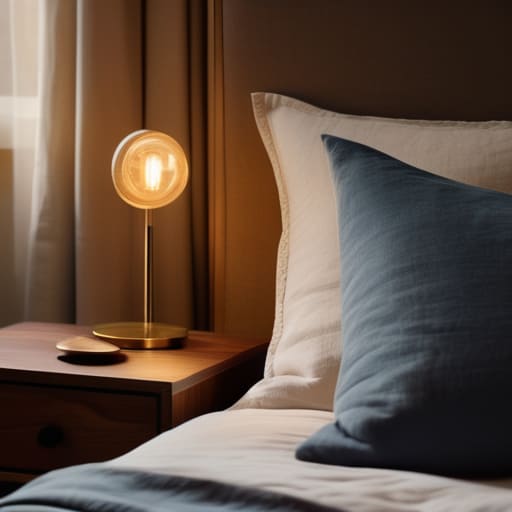
First, let’s stop treating sleep like a software update that needs to be perfectly patched every night. You don’t need a ten-step ritual involving expensive lavender mists; you need to respect your biology. The most effective way to start improving sleep quality is to stop fighting your internal clock. This means being consistent. If you go to bed at 10 PM on Tuesday but stay up until 2 AM on Friday, you’re essentially giving yourself permanent jet lag. Aim for a predictable window to help with circadian rhythm regulation—your body likes patterns, even if your schedule doesn’t.
Second, look at your immediate surroundings. Most of us are trying to sleep in environments that are essentially sensory battlegrounds. If your room is a mess of laundry or your desk is staring at you from the corner, your brain won’t settle. You should focus on optimizing your sleep environment by keeping it cool, dark, and quiet. And for the love of sanity, get off the phone. That endless scrolling isn’t just a time sink; the constant blue light exposure tells your brain it’s midday, which completely sabotages your ability to wind down. Keep the tech in another room and let your brain do its job.
Stop Fighting Your Body and Master Circadian Rhythm Regulation

We tend to treat our bodies like hardware that we can just force-reboot whenever we want, but biology doesn’t work like a MacBook. You can’t just slam a double espresso at 4:00 PM and expect your internal clock to ignore it. Your body operates on a precise biological clock, and circadian rhythm regulation isn’t some mystical wellness concept; it’s just the way your system manages energy and repair. When you constantly fight this rhythm by staying up late under bright lights, you aren’t just “living life”—you’re essentially running your engine in the red zone.
The easiest way to stop the struggle is to work with your biology rather than against it. This means understanding how blue light exposure and sleep are fundamentally linked. When you stare at a screen right until the moment you close your eyes, you’re sending a signal to your brain that it’s midday, which effectively halts your body’s ability to trigger the necessary chemical shifts for rest. Instead of chasing complex supplements, focus on the basics: get some sunlight in your eyes early in the morning and dim the house lights an hour before bed. It’s not about a perfect routine; it’s about giving your brain the right cues so it knows when to shut down.
Ditch the Blue Light Exposure and Sleep Distractions
We’ve all been there: it’s 11:00 PM, you’re “just checking one thing” on your phone, and suddenly you’re deep in a Wikipedia rabbit hole about urban planning. Here’s the reality: that screen is a thief. The blue light exposure and sleep connection isn’t just some niche science fact; it’s a physiological roadblock. When you blast your retinas with that artificial glow, your brain thinks it’s midday, effectively stalling your ability to trigger melatonin production naturally. You aren’t just staying awake; you’re actively telling your internal clock to stay on high alert.
If you can’t commit to a total digital blackout, at least stop being so passive about it. Set a “digital sunset”—a hard cutoff time where the devices go into a drawer or, at the very least, across the room. If you absolutely must use a screen, use the warm-light filters, but don’t let that be an excuse to keep scrolling. Part of optimizing your sleep environment means recognizing that your bedroom should be a sanctuary for rest, not a secondary office or a cinema. If your phone is your alarm clock, buy a cheap analog one instead. It removes the temptation to scroll the second you wake up or right before you drift off, and frankly, it’s a much better way to reclaim your headspace.
Functional Hacks for Optimizing Your Sleep Environment
Let’s talk about your bedroom. If your sleeping space looks more like a secondary home office or a cluttered storage unit, you’re fighting a losing battle. You can’t expect your brain to transition from “high-speed processing mode” to “rest” if you’re staring at a pile of laundry or a glowing router. Optimizing your sleep environment isn’t about buying a $3,000 smart mattress; it’s about removing the friction between you and unconsciousness. Start with the temperature. Most people keep their rooms way too warm, but your body needs a slight drop in core temperature to signal it’s time to shut down. Aim for a cool, consistent environment—think crisp, not stuffy.
Then, there’s the light situation. Even if you’ve already addressed your phone usage, small culprits like a standby LED on a power strip or light leaking through cheap blinds can mess with your melatonin production naturally. I’m a big believer in blackout curtains and, frankly, a decent eye mask. It’s a low-tech, high-reward fix. If you can’t control the streetlights outside, control what hits your retinas. Treat your bedroom like a sanctuary for one specific function: sleep. If you strip away the visual and thermal noise, you’ll find that improving sleep quality becomes a lot less about willpower and a lot more about physics.
Boost Melatonin Production Naturally Without Fancy Gadgets
Look, you don’t need a $500 weighted blanket or a subscription to a meditation app to get your hormones in check. Most of the “sleep tech” marketed to us is just noise. If you want to focus on melatonin production naturally, you need to look at your light exposure during the day, not just the hour before bed. Your brain needs a clear signal that the sun has gone down. I’ve found that getting even ten minutes of direct sunlight in the morning helps set the internal clock, making it much easier to transition into rest mode when evening rolls around.
It’s also about what you aren’t doing. Instead of chasing expensive supplements, try managing your evening snack intake. Heavy, sugary meals right before bed are a recipe for a midnight wake-up call, which only leads to more sleep deprivation consequences the next morning. Stick to something small and functional—maybe a few almonds or a bit of magnesium-rich food—and keep the heavy lifting for lunch. It’s not about being perfect; it’s about removing the friction that prevents your body from doing what it was literally designed to do: shut down and recover.
Why Improving Sleep Quality Matters for Real Life
Look, I’m not interested in discussing sleep because it sounds “zen” or helps you reach some vague state of spiritual enlightenment. I care about it because I’ve lived through the fog of chronic sleep deprivation consequences, and frankly, it’s a terrible way to run a life. When you aren’t sleeping, you aren’t actually present. You’re just a glitchy version of yourself, reacting to emails with irritability and staring at your spreadsheet like it’s written in ancient Greek.
Improving sleep quality isn’t about luxury; it’s about operational efficiency. When your brain actually gets the downtime it requires, your decision-making sharpens and your patience for life’s inevitable hiccups increases. You stop spending your afternoon fighting your own brain just to complete basic tasks. It’s the difference between navigating your day with a clear roadmap and trying to drive through a thunderstorm with broken headlights.
Ultimately, we optimize our workspaces and our tech stacks so we can get more done with less friction. Why wouldn’t we do the same for our biology? By focusing on the fundamentals, you aren’t just “resting”—you are rebuilding your capacity to handle everything else the world throws at you. Let’s stop treating sleep as an optional luxury and start treating it like the essential maintenance it is.
The Real Sleep Deprivation Consequences on Your Daily Hustle
We’ve all been there: staring at a spreadsheet at 2:00 PM, reading the same line four times, and wondering why your brain feels like it’s stuck in a loading loop. That isn’t just “being tired”; it’s the tangible fallout of sleep deprivation consequences hitting your cognitive bandwidth. When you skimp on rest, you aren’t just losing hours of sleep; you’re losing your ability to make decent decisions. Your executive function takes a nosedive, leaving you reactive instead of proactive. Suddenly, a minor scheduling conflict that you’d normally handle in thirty seconds feels like a personal crisis.
It’s not just about the brain fog, though. It’s the way your physical resilience just… evaporates. You become more prone to irritability, your stress tolerance hits rock bottom, and that “hustle” you’re so proud of starts to look a lot more like manic survival. We often think we can outrun a bad night with an extra shot of espresso, but you can’t hack your way out of biological debt. If you aren’t prioritizing improving sleep quality, you aren’t actually working efficiently; you’re just spinning your wheels and making mistakes you’ll have to spend all of tomorrow fixing.
Build Habits That Work When Life Gets Messy
Here is the reality: your “perfect” routine will fail the moment a kid gets sick, a deadline shifts, or you decide to stay up too late finishing a book. If your sleep hygiene depends on everything going exactly according to plan, you aren’t building a habit; you’re building a house of cards. When life gets messy, the goal isn’t perfection—it’s damage control. Instead of abandoning your efforts entirely when a night goes sideways, focus on one or two non-negotiables. Maybe that means you can’t control your evening schedule, but you can still commit to a consistent wake-up time to help with circadian rhythm regulation.
Don’t try to overhaul your entire life in one Tuesday. If you try to implement ten new rules at once, you’ll burn out by Thursday. Start with the smallest possible friction point. If you can’t manage a full wind-down ritual, just focus on reducing blue light exposure and sleep disruptions by putting the phone on the charger across the room. It’s about creating resilient systems that can survive a chaotic week. We aren’t looking for a flawless performance; we’re looking for a baseline that keeps us functional enough to handle whatever the next day throws at us.
Five Low-Maintenance Moves for a Better Night
- Stop treating your weekend like a sleep debt repayment plan. I know the temptation to sleep in until noon on Sunday is real, but it just wrecks your internal clock for Monday morning. Try to keep your wake-up time within an hour of your weekday routine, even when you don’t have a meeting at 9:00 AM.
- Get some actual sunlight in your eyes before noon. It sounds overly simplistic, but your brain needs that signal to know the day has started. A five-minute walk or just sitting by a window with your coffee does more for your sleep than any expensive supplement.
- Audit your “wind-down” ritual. If your version of relaxing is scrolling through news feeds or checking work emails, you aren’t actually resting; you’re just processing data. Give yourself a hard cutoff for “input” an hour before bed. Read a physical book or just sit in silence.
- Watch the caffeine tail. Most people don’t realize that caffeine has a half-life that can easily carry it right into your evening. If you’re struggling to drift off, try making 2:00 PM your hard stop for coffee. Switch to herbal tea or just plain water after that.
- Keep your bedroom a sanctuary, not a second office. If you find yourself answering emails or troubleshooting spreadsheets from your bed, your brain starts to associate that space with stress rather than rest. If you can’t sleep after twenty minutes, get out of bed, go to another room, and do something boring until you actually feel sleepy.
Getting Back to Living
Look, we’ve covered a lot of ground here, from the mechanics of your circadian rhythm to the simple necessity of ditching the screen before your head hits the pillow. The goal isn’t to turn your bedroom into a high-tech laboratory or to follow a rigid, twenty-step ritual that feels like another chore on your to-do list. It’s about removing the friction between you and actual rest. Whether it’s dimming the lights, setting a consistent wake-up time, or just making sure your environment isn’t working against you, the focus remains on functional simplicity. If a habit is too complicated to maintain when your kid is sick or your workload spikes, it’s not a good habit. Period.
At the end of the day, better sleep isn’t about chasing some elusive perfection; it’s about building a foundation that allows you to show up for your life without feeling like a walking ghost. You don’t need a fancy gadget or a subscription-based wellness app to reclaim your energy. You just need a few reliable systems that work when things get messy. Stop treating your rest like a problem to be solved and start treating it like the essential maintenance it is. Get your sleep sorted, clear the mental fog, and then get back to actually living the life you’re working so hard to build.
Frequently Asked Questions
What do I do if my job requires irregular hours or night shifts?
Look, if your job demands irregular hours, stop trying to force a “normal” routine that doesn’t exist. You can’t win a fight against your biological clock using willpower alone. Instead, focus on anchor habits. Whether you work at 2 AM or 2 PM, keep your pre-sleep ritual identical—dim lights, no screens, the same tea. Consistency in the process matters more than the clock when your schedule is a moving target.
Is it actually worth it to invest in expensive blackout curtains, or can I just use a cheap eye mask?
Look, if you’re staring down a $200 price tag for heavy velvet drapes, take a breath. From a purely functional standpoint, a high-quality, contoured eye mask is a much better ROI. It’s portable, works in hotels, and doesn’t require a hardware store run. Save the money for something that actually improves your life—like better coffee or a decent notebook. Get the mask, block the light, and stop over-engineering your bedroom setup.
How much caffeine is actually too much if I'm trying to fix my sleep schedule?
Look, I’m not a doctor, but I am a systems person, and caffeine is a massive variable in your sleep equation. If you’re trying to reset, the rule of thumb is a hard cutoff by 2:00 PM. Even if you feel like you can sleep fine after a late espresso, you’re likely sabotaging your deep sleep cycles. Aim for under 400mg a day, but honestly? If your schedule is a mess, try cutting it by half.
If I can't fall asleep after twenty minutes, should I stay in bed or get up?
Get out of bed. I know, it feels counterintuitive, but staying there while your brain runs a marathon is just training your mind to associate your mattress with frustration instead of rest. If you’re tossing and turning after twenty minutes, go to another room. Do something low-stakes in dim light—read a physical book or fold some laundry. Don’t touch a screen. Only head back to bed once you actually feel heavy-lidded.