We’ve all been there: it’s 6:30 PM, you’re exhausted from a day of troubleshooting everyone else’s problems, and you realize you have absolutely nothing to cook for dinner. You stare into a kitchen that looks organized but is functionally empty, and suddenly, a simple meal feels like a mountain you aren’t prepared to climb. I’ve spent years refining my own systems to avoid that specific brand of domestic chaos. Instead of chasing every fleeting food trend, I focus on building a foundation of pantry staples to always have on hand—items that act as a safety net when your energy is low and your schedule is a mess.
In this guide, I’m stripping away the unnecessary clutter and the “must-have” gourmet ingredients that just take up space. I’m going to walk you through my curated list of eight reliable, versatile essentials that will turn a disorganized kitchen into a functional workspace. By the end of this, you’ll have a streamlined inventory that ensures you can always whip up a decent meal without a frantic trip to the grocery store. Let’s get your kitchen back to a state of useful simplicity.
The Foundation: High-Quality Extra Virgin Olive Oil
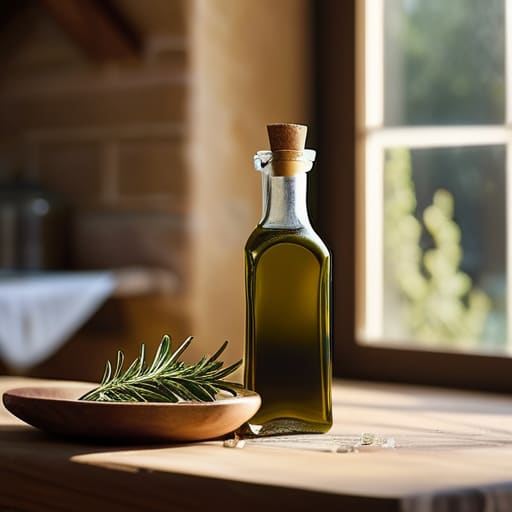
I’ve learned the hard way that skimping on your oil is a recipe for a mediocre meal. You don’t need a dozen different infusions cluttering your cabinets, but you do need one really good bottle of extra virgin olive oil. It’s the difference between a dish that tastes like it came from a box and one that actually has some soul.
The Reliable Grain: Basmati or Jasmine Rice
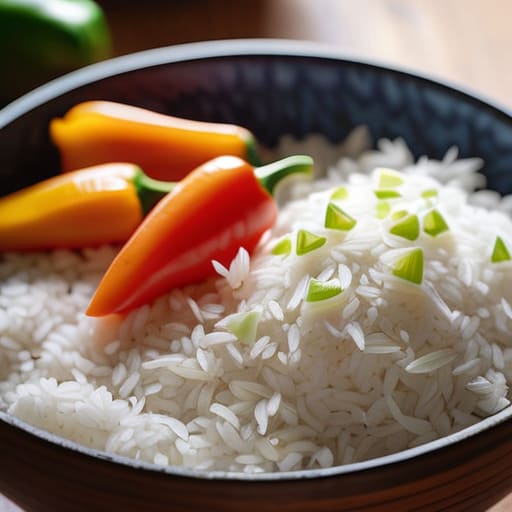
There is something deeply grounding about a bowl of perfectly steamed rice. It’s the ultimate blank canvas, and unlike some of the more “exotic” grains that require a specific temperature and a prayer, rice is predictable. I keep a large bag in the pantry because it’s the most efficient way to turn a few random vegetables into a cohesive meal.
The Umami Bomb: Soy Sauce
If I could only keep three liquids in my kitchen, soy sauce would be at the top of the list. It isn’t just for stir-fry; it’s a tool for depth. A splash of it in a stew, a marinade, or even a simple roasted vegetable dish adds that savory, salty complexity that makes food feel finished rather than just “done.”
The Versatile Acid: Apple Cider Vinegar
Most people think they need a dozen different vinegars, but apple cider vinegar is the workhorse of the pantry. It’s bright, it’s sharp, and it does more than just dress a salad. I use it to balance out heavy soups, to quick-pickle some sliced onions, or even to help clean up a stubborn mess on the counter.
The Long-Term Protein: Canned Chickpeas
I have a rule: never let a pantry go without a reliable legume. Canned chickpeas are the gold standard because they require zero prep time and zero soaking. You can smash them into a quick hummus, toss them into a salad for some much-needed protein, or roast them in the oven for a crunchy snack.
The Flavor Anchor: Dried Pasta
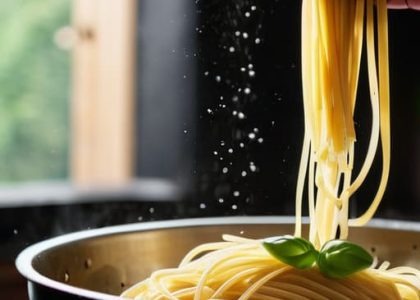
Pasta is the ultimate safety net. It’s shelf-stable, inexpensive, and it doesn’t care if you’ve had a long day at work. I don’t care if it’s a simple aglio e olio or a heavy meat sauce; having a few shapes of dried pasta ensures you are never more than fifteen minutes away from eating.
The Aromatic Base: Garlic (Fresh or Jarred)
Let’s be honest: if there isn’t garlic in the pan, is it even cooking? I know some people swear by only using fresh cloves, but if you’re in the middle of a chaotic week, a high-quality jarred minced garlic is a total lifesaver. It’s about lowering the barrier to entry for cooking a real meal.
The Emergency Sweetener: Honey
Sugar has its place, but honey is a more versatile tool for the modern kitchen. It works in your tea, it glazes roasted carrots, and it can even balance out a spicy vinaigrette. I keep a jar in the pantry because it’s a stable, natural way to add a touch of sweetness whenever a recipe feels unbalanced.
Beyond the Shopping List
At the end of the day, building this pantry isn’t about curating a gourmet collection or following some aesthetic kitchen trend you saw on social media. It’s about creating a functional safety net. By keeping these eight staples—from your reliable grains to those versatile oils—on hand, you are essentially pre-solving a dozen future problems. You’re eliminating that frantic, mid-week decision fatigue that usually leads to expensive, unhealthy takeout orders. When you have the right components ready to go, you stop reacting to hunger and start managing your resources like the professional you are.
My goal isn’t to turn you into a chef, but to help you reclaim the mental bandwidth that gets swallowed up by daily chores. A well-stocked pantry is just one small, repeatable system that works in the background so you don’t have to. Once you stop troubleshooting your dinner every single night, you’ll find you have a little more energy for the things that actually matter—whether that’s finishing a project, tinkering with your gear, or just sitting down to a quiet meal. Let’s stop overcomplicating the basics and focus on building systems that actually stick.
Frequently Asked Questions
How do I know if these staples are still good to use if I haven't touched them in months?
Don’t trust a date on a package blindly; trust your senses. For dry goods like pasta or rice, if it smells musty or looks dusty, toss it. If you see tiny movement in the bag, it’s a hard pass. For oils and spices, check the scent—if that expensive olive oil smells like old crayons, it’s oxidized and useless. When in doubt, don’t risk a bad meal or a stomach ache. Just replace it.
Is there a way to organize these items so I'm not constantly rebuying things I already have?
The “double-buy” is a classic symptom of a broken system, not a bad memory. Stop relying on your brain to track inventory; it’s meant for thinking, not storage. I use a simple “low-stock” trigger in my physical notebook. When I open the last bag of rice, I write it down immediately. No fancy apps required. If you can see it, you can track it. Keep it visual, keep it analog, and keep it simple.
Can I swap out any of these for specific dietary needs without ruining the whole system?
Absolutely. The whole point of a system is that it works for you, not the other way around. If you’re gluten-free, swap the pasta for a reliable quinoa or rice; if you’re plant-based, swap the canned tuna for chickpeas. Just don’t swap a staple for something finicky that requires a recipe search every time you use it. Keep the replacements boring, versatile, and shelf-stable. That’s how you maintain the system without the headache.
What’s the best way to shop for these items without breaking my monthly grocery budget?
Look, don’t treat a grocery run like a high-stakes procurement project. Stick to the basics: buy the store brand for dry goods—they’re usually identical to the name brands—and never shop hungry. If you can, grab your staples in bulk once a month to shave off those impulse buys. It’s about intentionality, not deprivation. Buy what you actually use, skip the “novelty” aisles, and keep your receipts. Systems over impulse, every single time.