I spent my twenties thinking that if I just bought the right high-end gadget or followed a complex, twelve-step recipe, my life would suddenly feel more put-together. But after years of consulting for frantic businesses and raising kids, I’ve learned that the kitchen is usually the first place where our systems break down. Most people approach cooking like a high-stakes project management task, which is exactly why they end up ordering takeout when they’re actually hungry. We don’t need culinary masterpieces; we need easy meals for beginners that rely on logic rather than luck. If a recipe requires a specialized tool you’ll only use once, it’s not a solution—it’s just more clutter.
In this guide, I’m stripping away the fluff and focusing on eight reliable, low-maintenance options that actually work when you’re exhausted. These aren’t “hacks” that will fail you the moment you run out of a specific spice; these are functional foundations designed to get you fed without a massive cleanup. I’m going to show you how to build a repertoire of meals that are efficient, nutritious, and—most importantly—entirely repeatable. Let’s get your kitchen back under control so you can stop troubleshooting dinner and actually enjoy your evening.
The Sheet Pan Savior
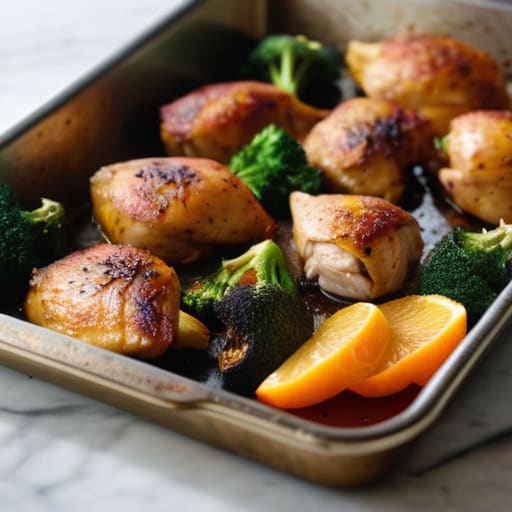
If you ask me, the biggest barrier to cooking isn’t the heat; it’s the mountain of dishes waiting for you in the sink. Sheet pan meals are my go-to for a reason. You toss some protein—chicken thighs or salmon work beautifully—alongside chopped vegetables like broccoli or sweet potatoes, drizzle with olive oil and salt, and let the oven do the heavy lifting.
One-Pot Pasta Logic
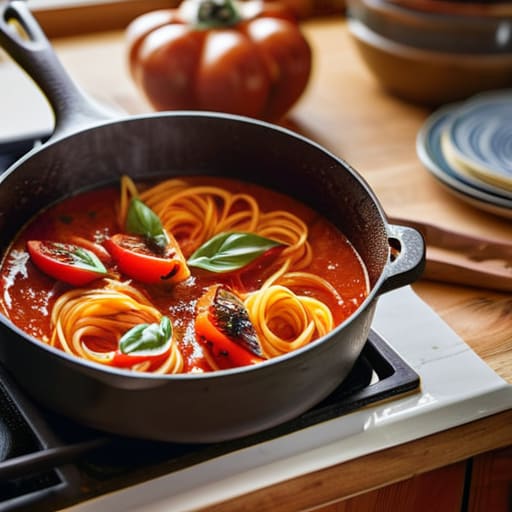
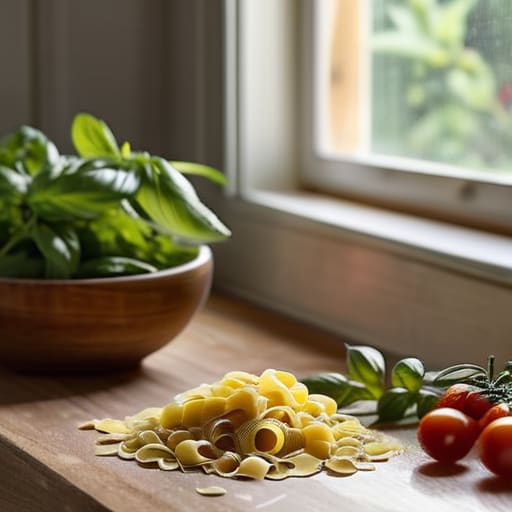
There is a certain kind of chaos that comes with boiling a massive pot of water, waiting, draining, and then cleaning out a second pan for the sauce. I’ve long since abandoned that workflow. Instead, try the one-pot method where you cook the pasta directly in a mixture of broth, crushed tomatoes, and aromatics.
The Elevated Adult Lunchable
Some days, the idea of turning on a burner feels like an insurmountable task. On those days, I lean into what I call “assembly cooking.” This isn’t about being lazy; it’s about strategic simplicity. Think of a high-quality charcuterie board: some sharp cheddar, a handful of almonds, sliced deli turkey, and some crisp apple slices.
Stir-Fry Speed
Stir-fry is the ultimate way to use up whatever random vegetables are currently wilting in the back of your crisper drawer. The key to making this work without stress is mise en place—which is just a fancy French way of saying “get your stuff chopped before you turn on the heat.” If you try to chop onions while the garlic is already burning in the pan, you’ve already lost the battle.
Breakfast for Dinner
We often reserve eggs for the morning, but they are perhaps the most versatile tool in your culinary kit. A simple omelet or a couple of fried eggs over avocado toast can serve as a perfectly acceptable dinner. It’s cheap, it’s fast, and the protein content will actually keep you full through the evening.
The Grain Bowl Blueprint
Think of a grain bowl as a modular system rather than a rigid recipe. You start with a base of something reliable like quinoa or farro, add a canned legume like chickpeas for easy protein, and top it with whatever fresh greens you have. It’s the analog synthesizer of meals—you can swap out the components based on what’s available without breaking the fundamental structure.
Slow Cooker Staples
If you can follow a basic set of instructions, you can master a slow cooker. This is my favorite way to handle “set it and forget it” nutrition. Throwing a beef roast or a bag of lentils into a crockpot with some stock and spices in the morning means that by the time you’ve finished your workday, dinner is already solved.
Loaded Baked Potatoes
A potato is essentially a blank canvas that costs pennies. If you bake a few large russets at the start of the week, you have a reliable foundation for multiple meals. You can top them with leftover chili, steamed broccoli and cheese, or even just a bit of Greek yogurt and chives.
Keep It Functional
At the end of the day, these eight meals aren’t about culinary perfection or impressing anyone on Instagram. They are about building a reliable toolkit that prevents that mid-week panic when you realize the fridge is looking a bit bleak. Whether you’re leaning on a one-pan roast or a simple pasta, the goal is to reduce the number of moving parts in your kitchen. Focus on mastering these basics first; once you have a few functional staples under your belt, you’ll stop viewing cooking as a chore and start seeing it as just another manageable part of your daily operations.
Don’t let the fear of a messy kitchen or a failed recipe stop you from starting. Life is unpredictable enough without adding mealtime stress to the mix, so give yourself permission to keep things simple. You don’t need a pantry full of exotic spices or a suite of high-tech gadgets to feed yourself well. Just grab your notebook, write down a couple of these ideas, and start small. Once you find your rhythm, you’ll realize that the best meals aren’t the most complex ones—they’re the ones that actually get you back to living without the extra headache.
Frequently Asked Questions
I don't have a massive spice rack; what are the absolute essentials I should buy first so I'm not wasting money?
Look, don’t fall for the trap of buying those $50 “starter kits” with twenty spices you’ll use once. It’s a waste of cabinet space and money. Start with the heavy lifters: Kosher salt, black peppercorns (get a grinder, please), garlic powder, onion powder, dried oregano, and smoked paprika. If you have those, you can fix almost any mediocre meal. Build your rack slowly, one functional ingredient at a time.
How do I avoid the "kitchen sink" trap where I end up with a mountain of dishes every time I try to cook something simple?
The “kitchen sink” trap is usually a symptom of poor workflow, not bad cooking. I call it “process debt.” To fix it, adopt a strict “clean-as-you-go” protocol. While the onions are sautéing or the pasta is boiling, you don’t scroll through your phone; you wash the cutting board. Use a single prep bowl for everything to minimize washing, and if a tool isn’t actively helping you finish the dish, it shouldn’t be on the counter.
Is it actually worth investing in decent cookware, or can I get by with the cheap stuff while I'm still learning the ropes?
Look, I get the temptation to save a few bucks, but don’t go overboard with the cheap, thin pans. They’re frustrating; they hot-spot, they warp, and they make even a simple omelet feel like a battle. You don’t need a professional chef’s suite, but invest in one decent stainless steel skillet and a heavy-bottomed pot. Good tools reduce the troubleshooting. If the equipment actually works, you spend less time fighting the stove and more time eating.
What's the best way to prep these meals ahead of time without everything turning into a soggy mess by Wednesday?
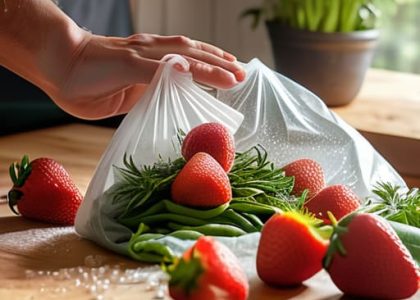
The secret isn’t more Tupperware; it’s component prepping. Stop trying to build full meals in one container—that’s how you end up with a sad, soggy salad by Wednesday. Instead, prep your proteins, grains, and veggies separately. Keep your dressings and anything moisture-heavy in small, individual jars. Assemble right before you eat. It takes an extra thirty seconds, but it’s the difference between a functional meal and a culinary disaster.