I remember sitting in my home office three years ago, staring at a frozen Zoom screen while my toddler decided that now was the perfect time to practice his percussion skills on a metal pot. I was mid-sentence, trying to explain a complex operational workflow, and all I could think about was whether the interviewer saw my unfiltered panic or just the laggy, pixelated version of my face. Most of the advice you find online regarding remote job interview tips is absolute nonsense—it’s all about buying the perfect ring light or investing in a professional-grade backdrop that makes you look like you live in a minimalist showroom.
The truth is, you don’t need a studio setup to land the role; you just need a system that doesn’t fail when reality hits. I’m not here to sell you on expensive gear or performative perfection. Instead, I’m going to give you the practical, no-nonsense tactics I’ve used to navigate high-stakes virtual meetings without losing my mind. We’re going to focus on the few things that actually matter—like stabilizing your connection and managing your environment—so you can stop troubleshooting your tech and start focusing on the person on the other side of the screen.
Stop Fiddling and Start Performing Real Remote Job Interview Tips
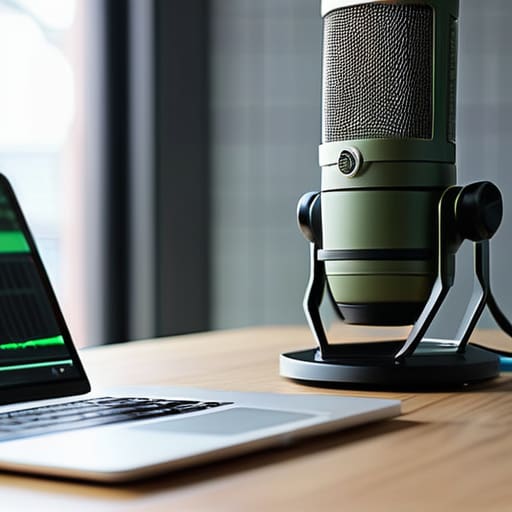
Look, I’ve spent enough time troubleshooting broken server connections to know that panic is the enemy of performance. When you’re sitting there waiting for the “Join Meeting” button to turn blue, your brain starts spiraling. The best way to kill that anxiety? Test your webcam and microphone quality at least twenty minutes before the call. Don’t just check if they work; check if they sound like you’re broadcasting from a tin can in a wind tunnel. I always run a quick test recording to make sure my audio is crisp and my connection isn’t going to drop the second I start explaining my workflow.
Once the tech is stable, shift your focus to the environment. You don’t need a studio-grade remote interview lighting setup, but you do need to avoid looking like a witness in a crime documentary. If you’re backlit by a bright window, you’ll just be a dark silhouette, and that’s not the impression you want to leave. Aim for soft, natural light facing you. As for the space behind you, keep it simple. A clean, uncluttered professional background for video calls does more for your credibility than a dozen expensive filters ever could. It tells the interviewer that you have your life—and your workspace—under control.
Setting the Stage a Simple Professional Background for Video Calls
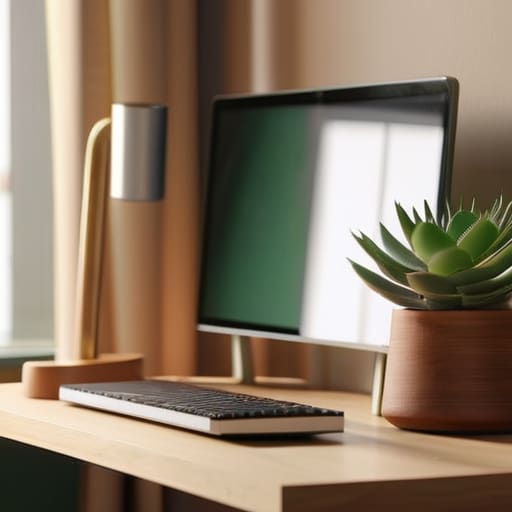
Look, I’m not suggesting you rent a studio or clear out your entire guest room just for a twenty-minute chat. That’s a recipe for burnout, not a career boost. What you actually need is a professional background for video calls that doesn’t scream “I’m currently surrounded by laundry.” Find a corner with a neutral wall or a bookshelf that isn’t a chaotic mess of unread paperbacks. If your space is a disaster, even a simple, clean backdrop can act as a visual reset, allowing the interviewer to focus on your words rather than the pile of mail on your sideboard.
Lighting is the next hurdle, and it’s often where people trip up. You don’t need a professional studio rig; just avoid sitting with a bright window directly behind you, or you’ll end up looking like a witness in a protection program. Instead, try to face a natural light source or position a lamp in front of you. This simple tweak to your remote interview lighting setup makes you look present and engaged. It’s about minimizing the visual noise so your digital body language—your nods, your smiles, your eye contact—actually carries the weight it deserves.
Lighting That Works a No Fuss Remote Interview Lighting Setup
Look, you don’t need to invest in a professional studio kit or a ring light that makes you look like you’re starring in a sci-fi movie. Most of the time, the best remote interview lighting setup is just a window. If you can, face a window during your call. Natural light is forgiving, it’s free, and it keeps you from looking like a shadowy figure in a noir film. The cardinal sin here is having a bright window behind you; unless you want to appear as a mysterious silhouette, keep that light source in front of your face.
If you’re interviewing in the evening or in a room with zero natural light, grab a desk lamp. Don’t point it directly at your eyes—that’s a one-way ticket to squinting discomfort. Instead, bounce the light off the wall in front of you or place it slightly to the side to soften the shadows. A little bit of prep here goes a long way in mastering your digital body language, as it allows the interviewer to actually see your expressions and eye contact. Before you jump on the call, take two minutes for testing webcam and microphone quality in a dim room; it’s much better to catch a grainy, dark feed now than five minutes into the actual conversation.
Testing Webcam and Microphone Quality Before the Stress Starts
Look, there is nothing quite as soul-crushing as sitting in a high-stakes interview only to realize your audio sounds like you’re broadcasting from inside a tin can. I’ve been there, and it’s a distraction you simply don’t need. Before you jump into the call, spend ten minutes testing webcam and microphone quality using a simple recording tool on your laptop. Don’t just trust that the little green light means you’re good to go; actually listen to the playback. If you hear a persistent hum from your AC or a hollow echo, you’ll know you need to move your desk or grab a pair of decent wired headphones.
While you’re at it, check your framing. You want to be centered and at eye level—not peering up from a “neck-beard” angle that makes you look like you’re hiding something. This isn’t about being a tech wizard; it’s about overcoming technical difficulties in interviews before they even have a chance to start. A quick check of your camera’s resolution and angle ensures that your digital body language in virtual meetings comes across clearly. If you can see yourself clearly and hear your own voice without a lag, you can finally stop worrying about the hardware and actually focus on the person on the other side of the screen.
Mastering Video Conferencing Etiquette Without the Digital Exhaustion
Once you’ve sorted out your lighting and checked that your mic isn’t picking up every single breath, you’re left with the actual human element: how you show up on screen. This is where digital body language in virtual meetings becomes your best friend. Since you aren’t in the same room, you can’t rely on a handshake or a subtle shift in posture to convey confidence. Instead, focus on eye contact—and I don’t mean looking at their face on your monitor, but actually looking into the camera lens. It feels unnatural at first, almost like you’re staring into a void, but to the person on the other side, it looks like you are actually engaged and listening.
Beyond the gaze, keep your movements intentional. Avoid the urge to fidget with your pen or adjust your headset every thirty seconds; it’s a distraction that translates poorly over video. If you need to take a moment to think, a simple nod or a brief pause is much better than saying “um” or “uh” repeatedly. Remember, mastering video conferencing etiquette isn’t about being a polished performer; it’s about removing the digital noise so your actual skills can shine through. Keep it steady, keep it focused, and let the conversation do the heavy lifting.
Reading the Room via Digital Body Language in Virtual Meetings
Since you aren’t physically in the room, you lose those subtle cues—the lean forward, the slight nod, the shared glance. This is where mastering digital body language in virtual meetings becomes your secret weapon. It’s not about being a performer; it’s about making sure your engagement doesn’t get lost in the pixels. If you’re staring blankly at your own thumbnail instead of the camera lens, you’ll come across as detached, even if you’re listening intently. I always tell my clients: look at the camera hole, not the screen, when you’re making a point. It mimics eye contact and keeps the connection feeling human rather than transactional.
You also need to be mindful of your physical presence within that small digital frame. Avoid the “floating head” effect by ensuring your posture is upright but not stiff. If you’re slouching or constantly adjusting your position, it reads as nervousness or boredom. Even with a solid professional background for video calls, if your movements are erratic or you’re fidgeting with a pen, the interviewer will pick up on that restless energy. Aim for intentional stillness. It projects a sense of composure that says you’re in control, even if your heart is racing behind the screen.
Stay Calm While Overcoming Technical Difficulties in Interviews
Look, no matter how much you obsess over testing webcam and microphone quality beforehand, something is eventually going to glitch. The Wi-Fi will flicker, your audio will turn into a robotic mess, or your laptop will decide that this exact moment is the perfect time for a forced OS update. When that happens, your instinct will be to panic, apologize profusely, and spiral into a state of visible frustration. Don’t do that.
The secret to overcoming technical difficulties in interviews isn’t having a perfect connection; it’s how you handle the breakdown. If the screen freezes, take a breath. When you reconnect, keep your composure and offer a brief, calm explanation—something like, “Apologies, my connection dropped for a second. Where were we?” Avoid the urge to over-explain or vent about your ISP.
By staying steady, you’re actually demonstrating a high level of emotional intelligence. You’re showing them that when things go sideways in a real-world project, you won’t lose your cool. Treat the glitch as a minor detour rather than a dead end. If you can navigate a technical hiccup with grace, you’ve already proven you have the temperament for the job.
Functional Prep to Help You Get Back to Living
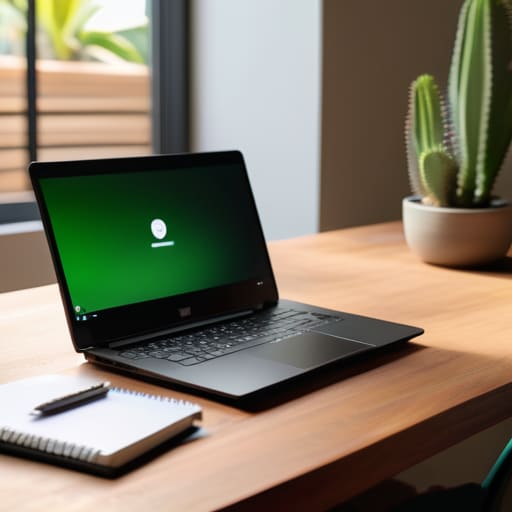
At some point, you have to stop over-optimizing. I’ve spent enough time in IT to know that you can spend three hours perfecting your remote interview lighting setup and still have the internet decide to hiccup right when you say “hello.” The goal isn’t perfection; it’s readiness. I like to treat my interview prep like a pre-flight checklist. I write down three non-negotiables in my notebook: a stable connection, a clear audio path, and a quiet room. Once those boxes are checked, I close the laptop. You need to transition from “tech support mode” back into “human being mode” so you don’t walk into the call looking like you haven’t slept since the dot-com bubble burst.
The real secret to staying sane is building a buffer into your schedule. Don’t book a client call or a grocery run five minutes before your interview. Give yourself twenty minutes of actual breathing room. Use that time to grab a glass of water, check your reflection, and remind yourself that you are more than just a collection of pixels on a screen. If you’ve already handled the basics—like testing webcam and microphone quality earlier in the day—you can afford to sit in silence for a moment. This isn’t about being fancy; it’s about being prepared enough that you can actually focus on the person on the other side of the lens.
The Final Five: Small Tweaks for Big Confidence
- Print out your resume and a few bullet points of your best wins. I know, I know—we live in a digital world—but having a physical piece of paper on your desk means you aren’t frantically clicking through tabs if your screen freezes or you lose your place mid-sentence.
- Dress for the job, not just the camera. You don’t need a full three-piece suit if you’re working from home, but wearing actual shoes instead of slippers changes your posture and your mindset. It’s a psychological anchor that tells your brain, “We are working now.”
- Keep a glass of water and a few plain tissues within arm’s reach, but out of the camera’s view. There is nothing quite as distracting as a dry throat or a sudden sneeze that leaves you scrambling to find a napkin while the hiring manager is mid-question.
- Curate your “cheat sheet” notes. Don’t write scripts; you’ll end up reading them like a robot, and it’s incredibly obvious on camera. Instead, write down three high-level keywords that trigger your memory. It keeps you conversational rather than rehearsed.
- Do a final “distraction sweep” ten minutes before the call. Close every single tab on your computer except the meeting link, silence your phone, and tell anyone in the house that you are officially off-limits. You can’t focus on your career if you’re listening for the doorbell or the laundry machine.
Final Thoughts Before You Log On
At the end of the day, a remote interview isn’t about having a studio-grade lighting rig or a perfectly curated bookshelf behind you. It’s about removing the friction between your expertise and the person on the other side of the screen. By checking your audio, clearing the visual clutter, and having a simple contingency plan for when the Wi-Fi inevitably stutters, you aren’t just “preparing”—you are minimizing the variables. When you stop worrying about whether your background looks like a disaster or if your mic is clipping, you free up the mental bandwidth required to actually do the job: showing them why you’re the right person for the role.
I know how much energy these digital hurdles can drain, but remember that the tech is just a conduit, not the main event. Once you’ve run your quick pre-flight checks and closed those distracting browser tabs, take a breath and step away from the screen for a minute. You’ve built the systems; now let them work for you. Focus on the human connection, stay grounded in your preparation, and trust your ability to adapt. You’ve done the groundwork, so now go in there, be professional, and get back to the life you’re working so hard to build.
Frequently Asked Questions
What do I do if my internet cuts out completely halfway through the conversation?
First, don’t panic. If the screen freezes, take a breath. Your immediate priority is switching to your backup plan—usually your phone’s cellular data. If you can, quickly send a short email or text to your recruiter explaining the outage. Once you’re back on via a phone call or a mobile hotspot, apologize briefly, then pivot immediately back to the interview. Don’t spend ten minutes troubleshooting the router; just get the conversation moving again.
How much "professionalism" is too much when it comes to what I wear on my bottom half?
Look, I’m a big believer in functional systems, and that includes your wardrobe. If you’re wearing a blazer and a crisp button-down, wearing pajama bottoms is a recipe for a psychological crash. You need to feel the part to perform the part. I aim for “polished casual” on the bottom—think dark denim or chinos. It’s professional enough if you unexpectedly have to stand up, but comfortable enough that you aren’t fidgeting.
Is it weird to have a physical notebook in front of me to take notes during the call?
Not weird at all. In fact, I highly recommend it. There’s something about the tactile nature of a fountain pen on paper that keeps me more grounded than clicking around a digital notepad. It shows the interviewer you’re actually engaged and intentional, rather than just staring blankly at the screen. Just keep it simple—don’t go overboard with a massive three-ring binder. A clean, slim notebook tells them you’re organized, not distracted.
How can I tell if the interviewer is actually engaged or if they're just multitasking behind their screen?
It’s a valid concern, and honestly, a bit of multitasking is part of the modern landscape. Watch for the “micro-cues”: are they making eye contact with the camera, or are their eyes scanning something else? If they’re nodding rhythmically but not reacting to your specific points, they might be clearing an inbox. If you suspect they’ve checked out, try pausing for a beat or asking a direct, open-ended question to pull them back in.