Look, I get it. By 6:00 PM, your brain feels like a browser with fifty tabs open, half of them frozen, and none of them helping you decide what to eat. We’ve all been there—staring into a fridge that contains nothing but a jar of pickles and half an onion, wondering why life feels like one long, exhausting troubleshooting session. You don’t need a complicated culinary masterclass or a pantry full of exotic spices you’ll never use again; you just need easy dinner recipes that actually respect your limited bandwidth.
I’ve spent years refining my own systems to stop the nightly “what’s for dinner” panic, and I’ve boiled my best findings down into eight reliable, low-maintenance options. This isn’t about gourmet perfection or spending two hours over a hot stove; it’s about functional food that gets you fed without turning your kitchen into a disaster zone. I’m going to walk you through eight specific meals that are foolproof, quick, and—most importantly—designed to work even when you’re running on empty. Let’s get you a plan so you can finally stop thinking about chores and actually enjoy your evening.
The Sheet Pan Savior
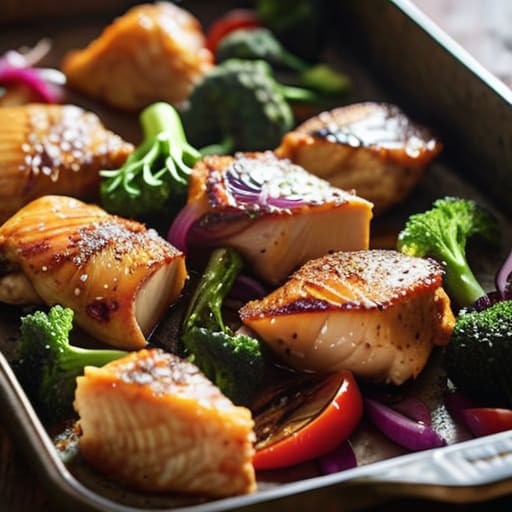
There is a specific kind of exhaustion that hits around 6:00 PM, and usually, the last thing I want to do is stand over a stove scrubbing three different pans. This is where the sheet pan method becomes my best friend. You just toss some protein—chicken thighs work best because they’re forgiving—and whatever vegetables are looking sad in your crisper drawer onto a single tray with olive oil and salt.
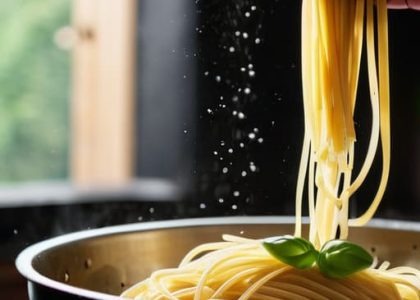
One-Pot Pesto Pasta
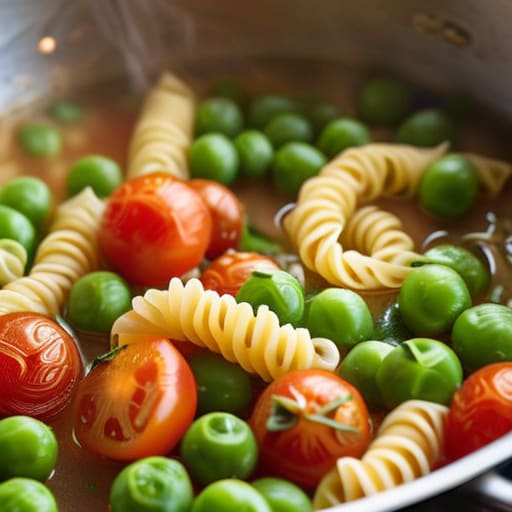
If you’re like me, you probably have a cabinet full of pasta shapes and a jar of pesto that’s been sitting there for a month. This isn’t a gourmet culinary achievement, but it is highly efficient. Throw your pasta into a pot with just enough water to cover it, add some frozen peas or halved cherry tomatoes, and cook it all together.
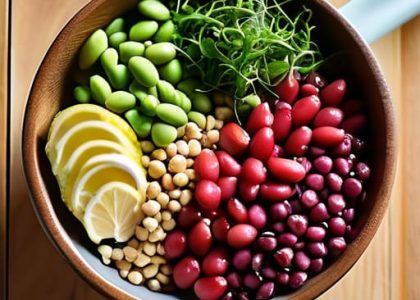
The "Everything" Grain Bowl
I’ve learned that “decision fatigue” is the enemy of a good dinner. Instead of following a strict recipe, I treat my grain bowls like a modular system. Start with a base of quinoa or brown rice—I usually prep a big batch on Sundays to save time—and then build upward with whatever is on hand.
Breakfast for Dinner
Sometimes, the most logical solution to a chaotic evening is to simply bypass “dinner” entirely and go back to basics. A well-made omelet or even just some high-quality avocado toast with a fried egg is a valid dinner option. There’s something deeply grounding about eating breakfast food when the rest of your day has been a series of troubleshooting errors.
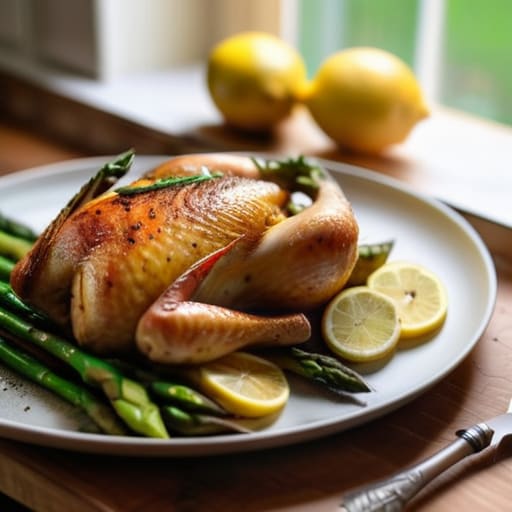
Rotisserie Chicken Shortcuts
If you’re having one of those weeks where even boiling water feels like a chore, do yourself a favor and stop by the grocery store for a pre-cooked rotisserie chicken. It is the ultimate operational hack for the home cook. You aren’t “cheating”; you are outsourcing the most labor-intensive part of the meal to a professional.
Loaded Baked Potatoes
A potato is perhaps the most underrated tool in the kitchen. You can scrub them, poke them with a fork, and throw them in the oven (or even the microwave if you’re truly pressed for time), and they become a blank canvas. They are hearty, inexpensive, and incredibly satisfying.
Quesadillas and Quick Wraps
When my kitchen feels like a disaster zone, I lean heavily on the tortilla. A quesadilla is essentially a systematic assembly of flour, cheese, and whatever protein or veg you can find. It’s quick, it’s hot, and it’s incredibly difficult to mess up.
Pantry-Stable Soup
There is a quiet comfort in a bowl of soup, especially when it’s made from things that don’t even need a refrigerator. I keep a rotation of high-quality canned lentils, beans, and vegetable broths in my pantry specifically for these low-energy evenings.
Getting Back to What Matters
At the end of the day, none of these recipes are about becoming a Michelin-starred chef or mastering complex culinary techniques. They are about reducing friction. Whether you’re leaning on a one-pan roast to minimize dishes or relying on a heavy-duty pantry staple to bypass a grocery run, the goal is the same: getting food on the table without a mental breakdown. We’ve looked at how simple ingredients and smart systems—like prepping a batch of grains or keeping a reliable “emergency” pasta on hand—can turn a chaotic evening into a manageable one. It’s not about perfection; it’s about having a repeatable plan that works when your energy levels are hitting zero.
I know how it feels when the “to-do” list starts feeling like a mountain you can’t climb, and the last thing you want to do is troubleshoot a complicated recipe. But remember, a meal doesn’t have to be elaborate to be nourishing. Once you stop chasing the high of a “perfect” dinner and start prioritizing functional eating, you’ll find you actually have more headspace for the things that matter. Use these recipes as your baseline, build your own little systems around them, and then close the kitchen door. You’ve done the work, you’ve fed yourself, and now it’s time to actually go live your life.
Frequently Asked Questions
How can I keep these meals healthy if I'm constantly grabbing whatever is easiest?
Look, I get it. When you’re running on fumes, “nutritious” feels like a luxury you can’t afford. Don’t try to overhaul your entire diet overnight; that’s how systems fail. Instead, focus on the “add-on” method. If you’re grabbing a frozen pizza, throw a handful of pre-washed baby spinach on top or grab a bag of frozen peas. Don’t change the base; just upgrade the components. Small, repeatable additions beat a failed diet every time.
What’s the best way to prep these ingredients ahead of time without everything turning into a soggy mess by Wednesday?
The secret is keeping the “wet” and “dry” components strictly separated. Don’t pre-mix your dressings or toss the greens in the sauce on Sunday; that’s a one-way ticket to a sad, wilted salad. Instead, chop your hardy veggies—carrots, peppers, onions—and keep them in airtight glass containers. Save the delicate stuff like herbs or leafy greens for the morning of. Think of it like modular systems: prep the parts, but only assemble at runtime.
Can I actually swap out the proteins in these recipes if I'm trying to save money or follow a specific diet?
Absolutely. In fact, that’s exactly how I approach my own meal planning. A recipe is just a framework, not a set of laws. If chicken is overpriced this week, grab some canned chickpeas or lentils. If you’re cutting back on meat, swap the beef for extra hearty vegetables. Just keep an eye on cook times—beans take longer than mince, and shrimp cooks in seconds. Stay flexible; it’s better for your wallet and your sanity.
What are some "emergency" pantry staples I should always have on hand to make these recipes work on short notice?
Look, I don’t believe in hoarding massive amounts of food, but I do believe in being prepared for when the day falls apart. Keep a “survival kit” of dry goods: high-quality olive oil, kosher salt, dried pasta, canned chickpeas, and a few jars of decent marinara. Toss in some garlic powder and a bag of jasmine rice. If you have these, you aren’t just surviving a hectic Tuesday; you’re actually eating.